
Trade Minister: CPO DMO Obligations Unchanged by DSI Export Shift
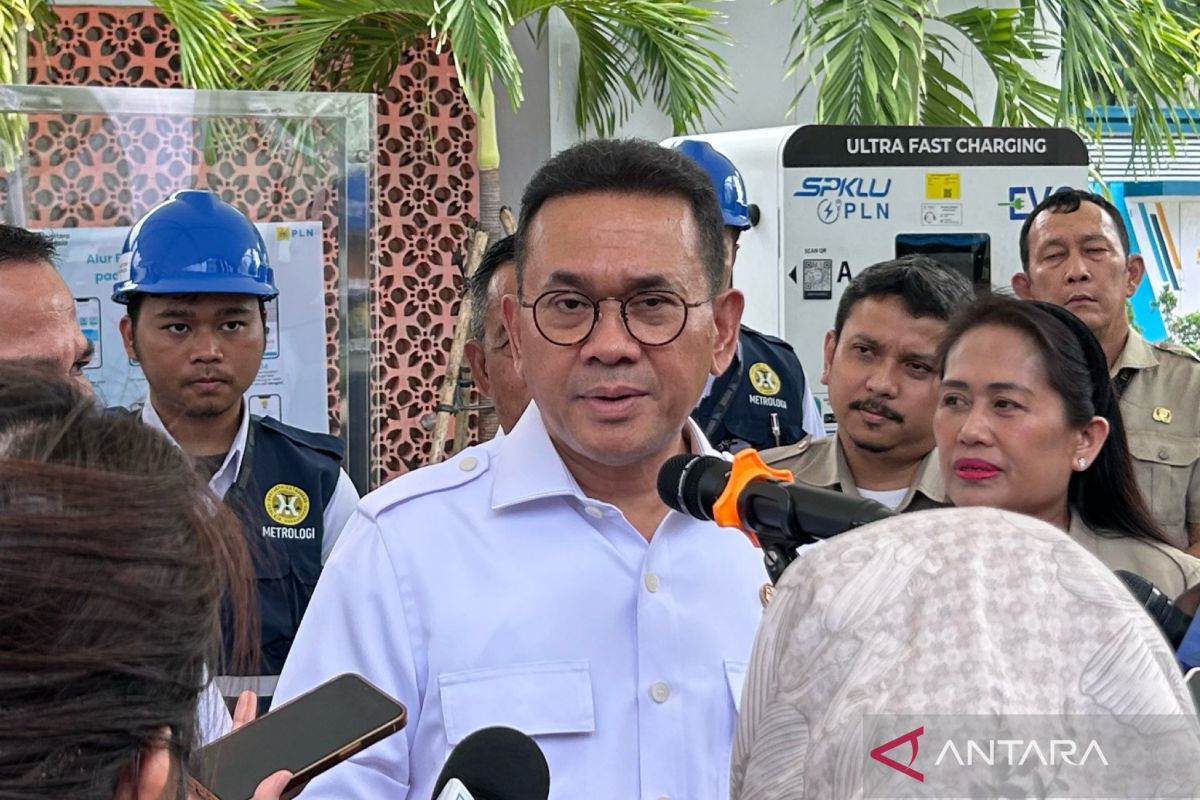
Trade Minister Budi Santoso has confirmed that domestic market obligation (DMO) requirements for crude palm oil (CPO) exporters remain in effect even as strategic commodity exports are managed by state-owned PT Danantara Sumberdaya Indonesia (DSI).
Budi emphasised that all existing export regulations, requirements, and procedures will not change under the new policy. He stated that the only alteration is the entity responsible for exports, with private exporters transitioning to DSI in phases starting 1 June 2026.
“Existing rules, such as export requirements and DMO obligations for CPO and others, will continue to apply,” Budi said in Jakarta on Monday.
He explained that the new policy only changes the export implementation mechanism without altering current regulations for exporters.
In addition to DMO obligations, Budi confirmed export levies (PE) and export duties (BK) will remain in force as per current regulations. The responsibility for paying these charges will shift to DSI once all exports are fully handled by the company.
“Export levies and duties are currently imposed on exporters. Once PT DSI takes over entirely, it will naturally be responsible for these payments,” he said.
Budi added that export licence issuance authority remains under the Ministry of Trade (Kemendag) and will not change despite exports being conducted via DSI.
Furthermore, the transition period for the export handover will last until the end of 2026, including adjustments to existing export contracts.
“During the transition, the process continues. We hope this transition is a smooth handover so that from 1 January onwards, everything is fully managed by PT DSI,” he added.
Initially, the government has designated three strategic commodities under the DSI export scheme: coal, CPO, and ferroalloy.