
Tracing the Islamic preaching legacy of Syekh Datuk Kahfi on Cirebon's coast
The streets of Gunung Jati District in Cirebon, West Java, are rarely quiet. Vehicles pass continuously and merchants call out their wares. However, upon entering the tomb complex, the atmosphere transforms into peaceful tranquillity.
A series of steps lead pilgrims deeper into the sacred space. Red-tiled pavilions stand along both sides of the pathway. Ancient trees provide shade over the serene area, creating a cool breeze.
The main tomb building appears modest. Its walls are lined with brown-toned ceramic tiles, and the tiered roof is adorned with calligraphy. Several pilgrims pause in the courtyard, removing their sandals before entering with slow steps.
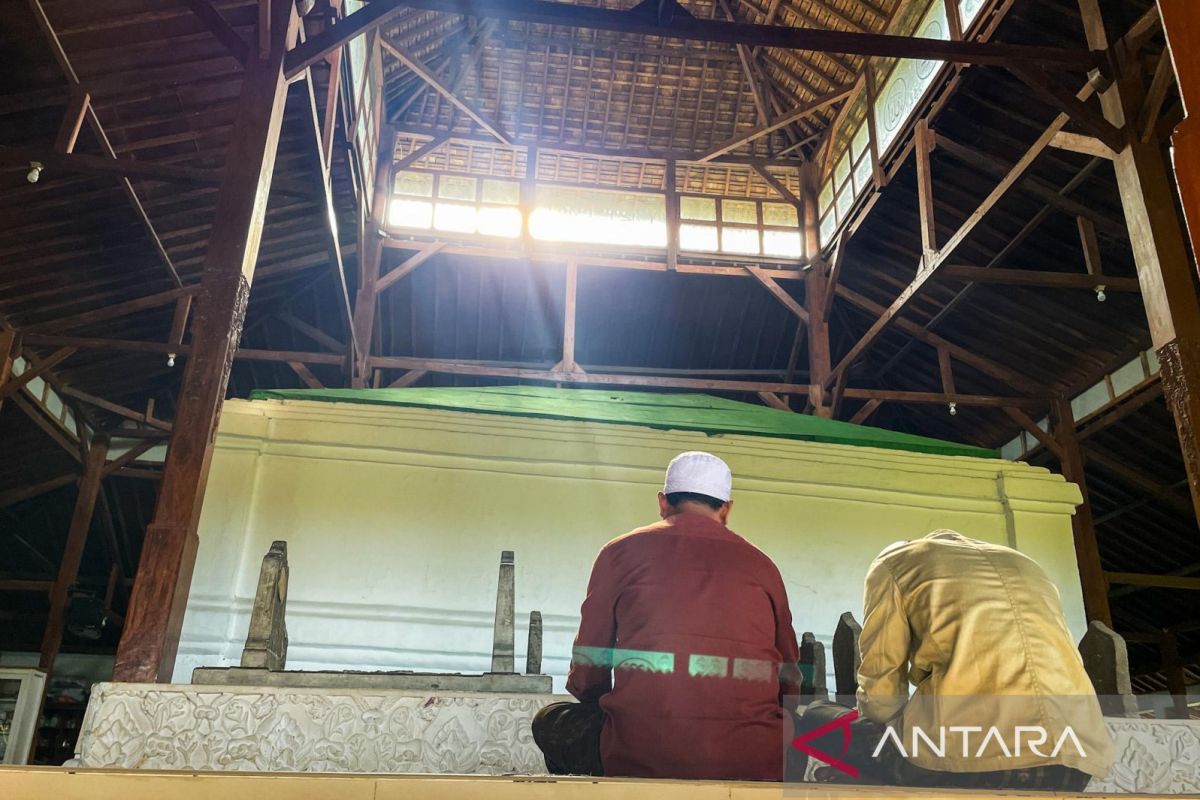
Inside the building, sunlight filters through the high window gaps beneath wooden roof supports. The light falls diagonally onto the floor and the whitewashed tomb walls.
Two pilgrims sit cross-legged facing the grave, bowing their heads in prayer. Few words are heard—only soft whispers of sincere remembrance and devotion.
The recitation of sacred verses echoes from the area. During Ramadan 2026, the atmosphere felt increasingly solemn as many pilgrims spent time in this space.
The tomb complex in Astana Village has long served as a pilgrimage destination for those seeking tranquillity whilst honouring the Islamic preaching legacy of past scholars.
Attraction
The name Sunan Gunung Jati is deeply connected with the history of Islam’s propagation in Cirebon. The tomb of the saint named Syarif Hidayatullah remains one of the largest pilgrimage destinations on West Java’s northern coast.
The common people certainly know of Sunan Gunung Jati, celebrated as a scholar who spread Islam and founded the Cirebon Sultanate.
Every day, especially during holiday seasons and approaching major religious celebrations, thousands of pilgrims arrive from various regions to visit the tomb complex.
For instance, Doni (37), a pilgrim from Brebes, Central Java, admits he has visited the tomb complex several times with his family.
The thin, dark-complexioned man stated that visiting the tombs of scholars is a way to recall the history of Islamic preaching in the Cirebon region.
“Sometimes I come to commemorate the scholars of the past who spread the faith here,” he said when speaking with ANTARA on Monday, 9 March.
Similar sentiments were expressed by Indah (33), a local resident, who noted that the tomb complex receives visitors from various regions almost every day.
She frequently brings her family to the Gunung Jati area so her children can learn about Islamic historical figures in Cirebon.
“The children come to know who the figures were that spread Islam in Cirebon and what their role was in the history of this region,” she said.
She believes the atmosphere of the tomb complex, filled with large trees, makes the place feel more shaded and calming for pilgrims.