
Tracing the History of Indonesia's Eid Hamper-Sharing Tradition
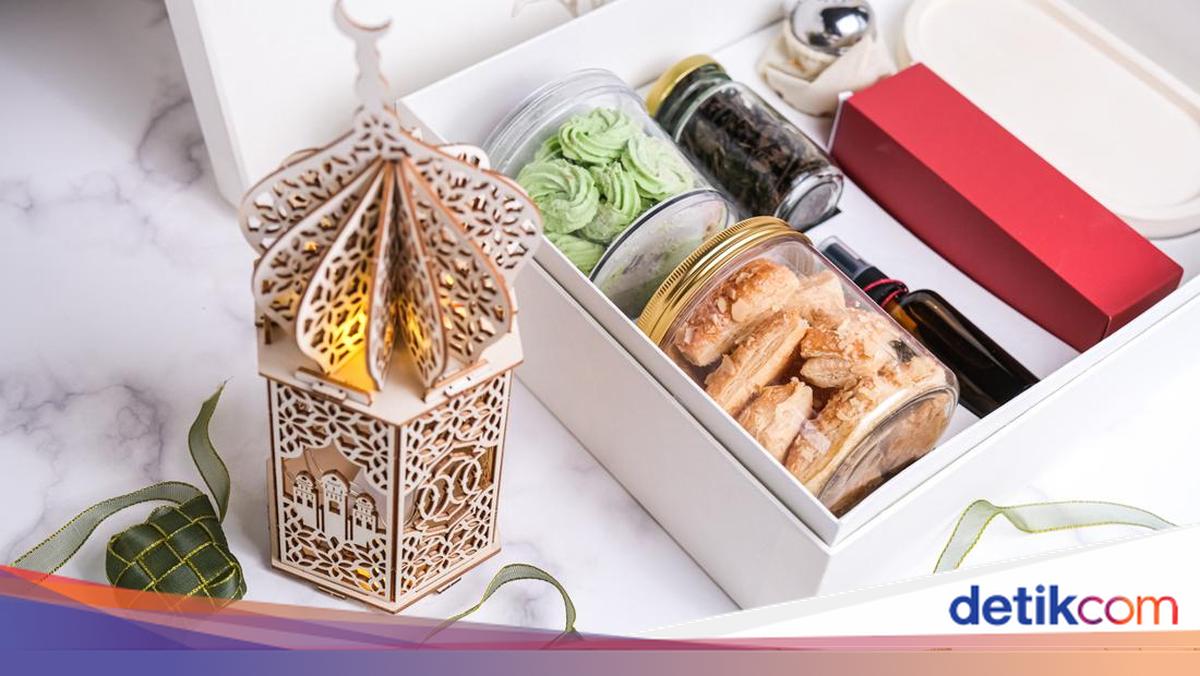
As Eid al-Fitr approaches, Indonesians commonly exchange gift baskets or hampers with family, relatives, and colleagues. This tradition has become an integral part of the Eid atmosphere, synonymous with togetherness and mutual sharing.
Behind this custom lies a lengthy history that has evolved over time, from practices that originated abroad to eventually becoming a popular culture during Indonesian holiday celebrations.
History of the Hamper Tradition Since the 11th Century
Tracing international history, the hamper tradition has been known for centuries. Historical records indicate that the practice of sending gifts in baskets dates back to the 11th century. According to Tamasia, this tradition was first introduced by William the Conqueror following the Battle of Hastings.
At that time, woven baskets were used to carry food and beverages during long overland and sea journeys. Woven materials were chosen because they were lighter than wood and sufficiently sturdy to keep the contents safe until reaching their destination.
Entering the 19th century, the hamper tradition began to develop in Europe. During the Industrial Revolution, middle and upper-class families in the Victorian era adopted hampers as gifts for important celebrations, such as Christmas. Over time, the practice of giving gift baskets became widely known and was used in various celebrations.
Development of the Hamper Tradition in Indonesia
In Indonesia, the tradition of sharing gift baskets was actually known during the colonial period. As reported by the government information portal InfoPublik, Moordiati S.S., M.Hum, a history lecturer at Airlangga University, explained that the practice was initially only conducted by certain groups during the Dutch colonial period.
This occurred due to significant social and economic inequality at that time. The tradition of sharing gift baskets also did not develop during Japanese occupation because society was more focused on coping with difficult living conditions.
According to Moordiati, the practice only became widely known among the general population around the 1980s, referred to as “parcel Lebaran.” The contents of parcels at that time generally consisted of traditional Eid foods such as dry cakes. From the 2000s onwards, the term “hampers” became increasingly popular in society.
Changes in the Meaning of Hampers in Society
As time progressed, the contents and terminology of hampers underwent changes and became increasingly diverse, ranging from food, clothing, to various household items. The popularity of hampers even prompted business operators to make it a product sold specifically before the Eid holiday.
According to Moordiati’s explanation, initially the giving of hampers was a form of gratitude and reciprocal appreciation to the recipient. However, as it developed, hampers also came to be understood as a symbol of appreciation or recognition of others in various social moments, including Eid al-Fitr celebrations.
Thus, the tradition of sharing Eid hampers has a long historical journey, from the practice of carrying food in baskets in the past to becoming a culture of sharing gift baskets during the Eid holiday in Indonesia today.