
Traces of Keraton Kerta in Yogyakarta: The Lost Grand Palace of Sultan Agung
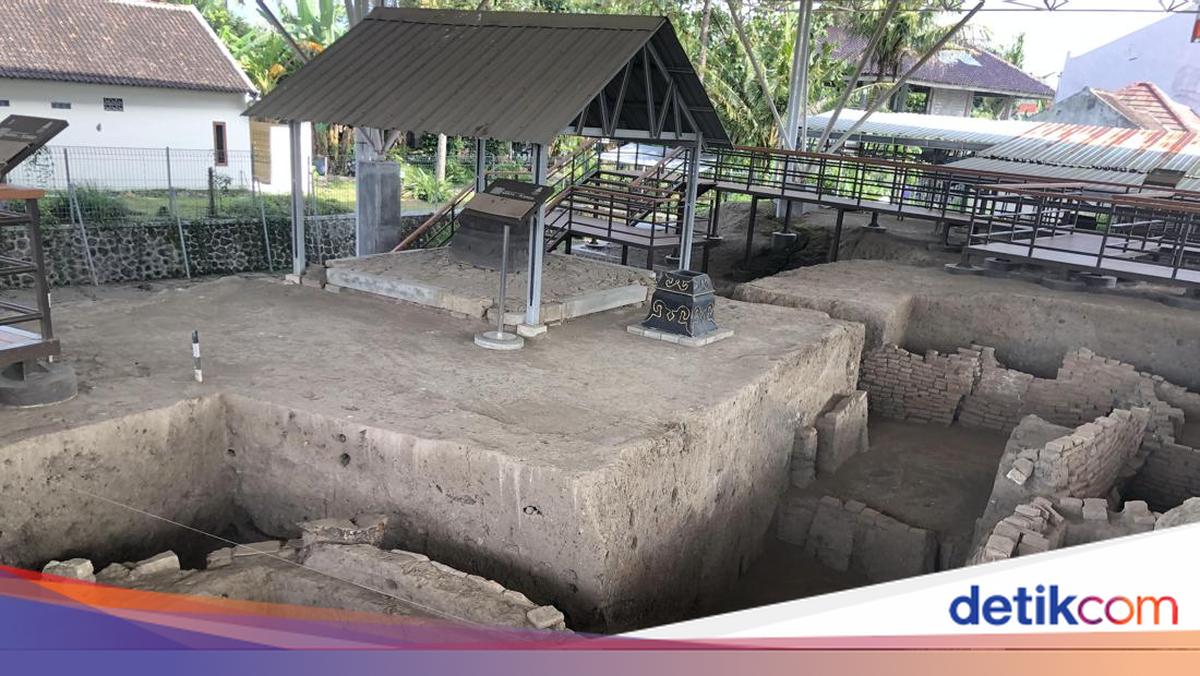
Beyond the Keraton Ngayogyakara Hadiningrat Palace that still stands in Yogyakarta today, there was once another equally magnificent palace. Named Keraton Kerta, it was the palace of the Islamic Mataram Kingdom during the era of Sultan Agung in the seventeenth century.
According to the official website of the Yogyakarta Cultural Affairs Office, Keraton Kerta flourished during the reign of Sultan Agung from 1613-1646. Currently, Kerta forms part of the Dusun Kerto and Dusun Kanggotan hamlets in Pleret Village, Pleret District, Bantul.
“Keraton Kerta was constructed between 1617-1625 based on sources from Babad Momana and Babad Ing Sekala. Sultan Agung is recorded to have occupied Kerta in 1618,” said archaeologist Fahmi Prihantoro when contacted by detikJogja on Thursday (12 March 2026).
“Keraton Kerta was no longer in use from 1647 onwards, when Sultan Agung passed away,” added the UGM Archaeology Lecturer.
Unfortunately, little of Keraton Kerta can be seen today. Only remnants of buildings displaying traces of palace complex components remain at the Keraton Kerta Archaeological Site in Pleret Village, and even these have not been well preserved.
The Kerta site is also referred to as Lemah Dhuwur, which is believed to be the remains of the Sitinggil of Keraton Kerta. Sitinggil, meaning raised ground, refers to an elevated area of land. This Sitinggil was one of the regular components found in the palaces of the Islamic Mataram Kingdom.
This is supported by findings from excavations consisting of fragmentary brick structures indicating the form of retaining walls, steps, gates, and decorative fences. Additionally, stratigraphy shows evidence of raised land surface.
“Previous research identified the possibility of a section of the Sitinggil building of Keraton Kerta, with indications of large stone pedestals discovered—even larger than those found in the current Keraton Yogyakarta,” explained Fahmi.
“Meanwhile, the ruins discovered indicate the presence of sections of building structures. However, even as of the latest research in 2025, it has not been possible to ascertain the actual form or layout of the buildings from that period,” added the Head of the UGM Department of Archaeology.
Despite its former glory and grandeur, Keraton Kerta eventually declined. Not only did Sultan Agung’s death contribute to the palace’s demise, but the relocation of the governmental centre to Keraton Plered during the reign of his successor Amangkurat I also caused Keraton Kerta to fall into disuse.
“The factors that led to the decline of Keraton Kerta stem from its abandonment. Amangkurat I’s successor moved the royal centre to Keraton Plered. After remaining unused for an extended period, the former Keraton Kerta became buried under soil as a result of natural processes,” he concluded.