
Traces of Buyut Lebai, the Malaysian Preacher in Loloan Village, Jembrana
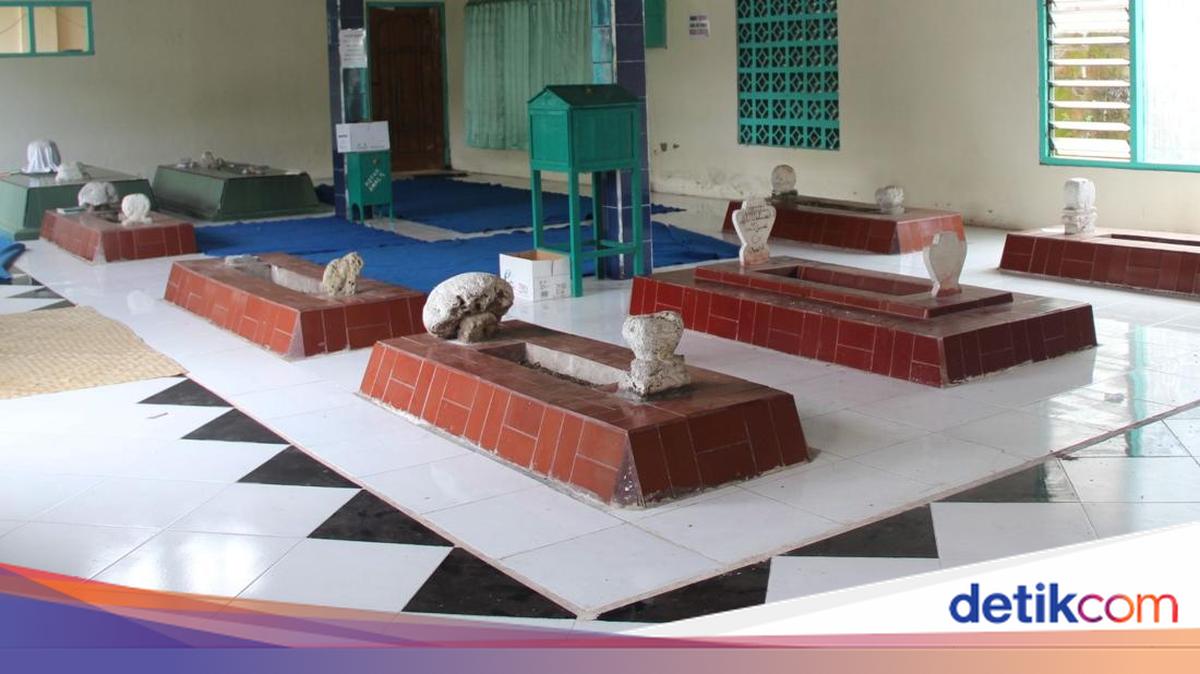
The village of Loloan holds traces of the spread of Islam in Jembrana Regency, Bali. One of them is the existence of the Tomb of Buyut Lebai, known as a great scholar and preacher from Serawak, Malaysia.
This tomb is located on Gunung Agung Street, Loloan Village, Negara Subdistrict, Jembrana. Currently, the tomb of Buyut Lebai has become a cultural heritage site and is often visited at certain times.
Here is a review of the Tomb of Buyut Lebai in Loloan Village, Jembrana, Bali, as compiled by detikBali:
The Figure of Buyut Lebai
Buyut Lebai, whose real name was Datuk Dawam Sirojuddin, is estimated to have been born in 1619. It is said that this great Malaysian scholar was able to preach in Loloan Village, Jembrana, because he was permitted by the local ruler.
Buyut Lebai arrived in the Jembrana area in 1669. He preached to all levels of society, from the lower, middle, to upper classes. The ruler in Jembrana at that time also maintained good relations with Buyut Lebai in the field of trade.
He passed away in 1744. Buyut Lebai’s body was buried on the land of his garden on Gunung Agung Street, East Loloan. The Tomb of Buyut Lebai is also venerated by the residents, especially by his descendants.
The Tomb of Buyut Lebai is always crowded with pilgrims from various regions, including from outside Bali. The presence of this Muslim figure’s tomb in Loloan Village usually becomes one of the series of pilgrimages to the Wali Pitu in Bali.
The concept of Wali Pitu itself is still debated and considered an imitation of the Wali Songo in Java. Nevertheless, the presence of the Wali Pitu tombs has a considerable influence and becomes a religious tourism attraction in Loloan Village.
The Muslim Village of Loloan in Jembrana
In addition to the Tomb of Buyut Lebai, there is also the tomb of Ustaz Ali Bafaqih in Loloan, Jembrana. Ali Bafaqih passed away at the age of 107 on 27 February 1997.
The traces of these two scholars make Loloan Village one of the largest Muslim settlements in Bali. Most of the inhabitants of this area are people from the Bugis, Malay, and Javanese ethnic groups.
The atmosphere in Loloan Village does not feel like Bali. This is because some of the house architectures in this village are in the style of stilt houses, which are characteristic of Bugis and Malay culture.
Meanwhile, Masjid Baitul Qodim serves as the religious centre in Loloan Village. This place of worship is a silent witness to the early spread of Islam in this place. Inside the mosque are stored several artefacts such as the Quran, a well bucket, and a pulpit that are hundreds of years old.