
Toyota Clarifies Position on Local 4x4 Pickup Production Amid Large Import Plans
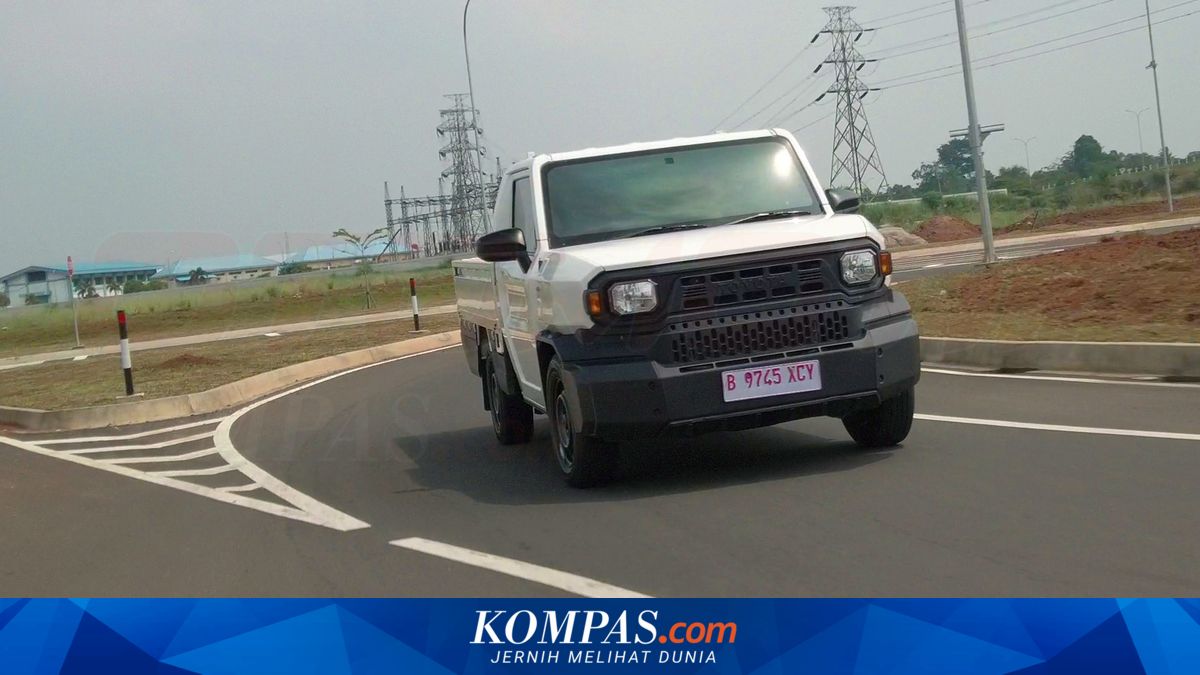
JAKARTA — Plans by PT Agrinas Pangan Nusantara to import 105,000 commercial vehicles to support the Koperasi Desa/Kelurahan Merah Putih (KDKMP) village cooperative programme have raised questions about the capability of Indonesia’s domestic automotive industry.
One key reason for the foreign imports is the need for four-wheel-drive (4x4) commercial vehicles deemed suitable for reaching various remote regions. However, Indonesia’s automotive manufacturers actually already possess similar local production capabilities.
Nandi Julyanto, President Director of PT Toyota Motor Manufacturing Indonesia (TMMIN), stated that technically, the domestic industry faces no obstacles in producing such vehicles. However, he explained that the decision to produce vehicles locally depends not only on demand volume but also on long-term market sustainability.
Agrinas plans to import approximately 105,000 commercial vehicles from India, comprising 35,000 units of Mahindra Scorpio Pickup and 70,000 units from Tata Motors, including 35,000 Tata Yodha Pick-Up units and 35,000 Tata Ultra T.7 light trucks.
Other vehicle requirements for the programme will be sourced from manufacturers with existing production facilities in Indonesia. Nandi explained that Toyota Indonesia is technically capable of producing 4x4 commercial vehicles, as evidenced by its local production of the Toyota Fortuner 4x4 for export purposes.
“In terms of the Ranger, the frame is nearly identical to the Innova, just slightly longer. So it’s relatively straightforward. We already produce the 4x4 Fortuner locally, so technically there’s no problem,” Nandi said.
Nandi cited Thailand’s experience, where pickup trucks receive various tax incentives as primary utility vehicles, making locally produced pickups highly competitive in price. “In Thailand, pickups receive special privileges so prices are very competitive. If we localise production in Indonesia without policy support, the price won’t necessarily be cheaper,” he noted.
Additionally, ASEAN’s free trade framework through the ASEAN Free Trade Area (AFTA) means vehicles imported from Thailand are no longer subject to customs duties or luxury goods tax. Consequently, local production does not always result in lower prices compared to imported vehicles.