
Towards Zero ODOL 2027, Enforcement Not Limited to Drivers
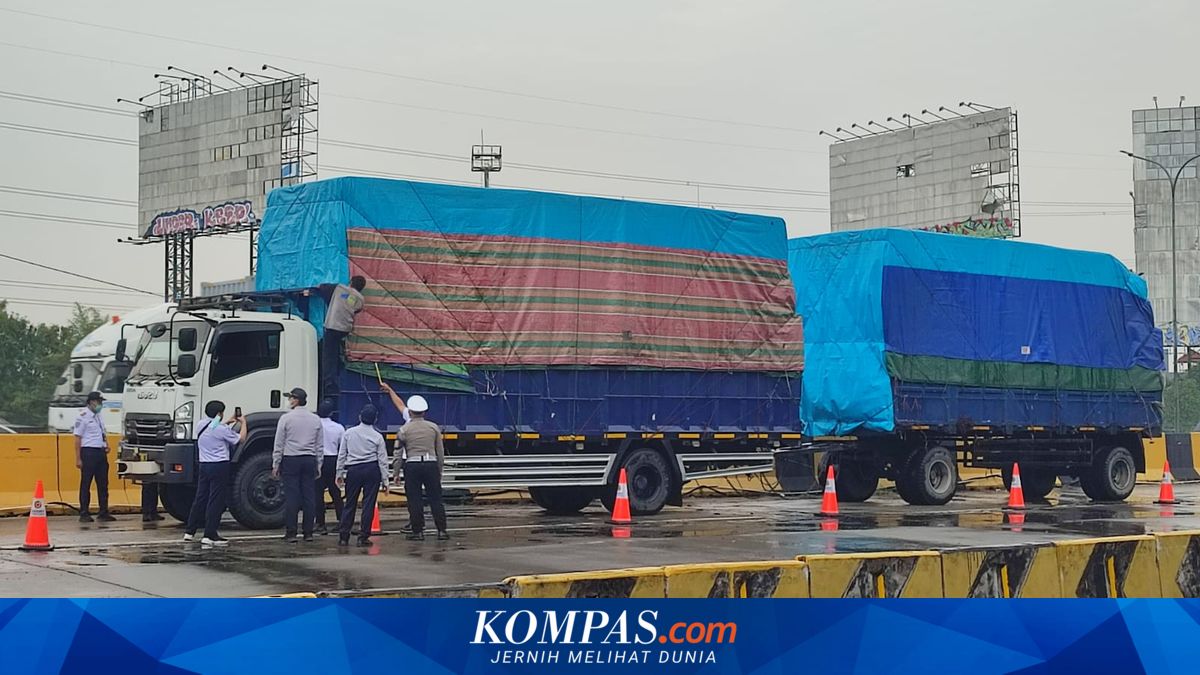
Through the Ministry of Transportation, the ambitious Zero ODOL 2027 target, which aims to regulate excessive dimension and load practices in goods transport, is now being prepared with a more comprehensive approach. Aan Suhanan, Director General of Land Transportation, stated that the ODOL issue can no longer be handled partially. Hitherto, enforcement has often only targeted drivers in the field, whereas the root problems are far more complex and involve many parties in the logistics distribution chain. “In fact, we already have a roadmap or action plan not only from the supervision and law enforcement side but all those involved in this ecosystem, starting from the welfare of the drivers, which is being prepared by the relevant ministries,” said Aan in an official statement on Tuesday (7/4/2026). “Regulatory issues are being processed in the DPR and are being improved to suit the current needs of the logistics transport ecosystem, such as the government providing incentives and disincentives for compliant and violating business actors,” he added. Supervision will begin from goods loading points, then be strengthened with digital detection technology on roads. In addition, data integration between agencies will be carried out to ensure the entire distribution process can be monitored in real-time. With this system, violations can no longer “escape” simply because they are not caught in road raids. Through cross-ministerial collaboration, institutions, and all logistics industry players, the government is optimistic that the Zero ODOL 2027 target can be achieved. Collective commitment is seen as an important foundation in realising a safer, more efficient, and sustainable transportation system. “Hopefully with the roadmap we create and the same commitment from all stakeholders, I am optimistic that Zero ODOL can be achieved in 2027,” he said.