
Towards Net Zero 2060, PLN Outlines Challenges in Integrating Renewable Energy into the Jamali Power System
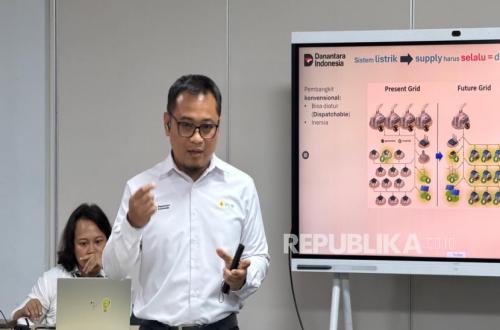
PT PLN has outlined the technical challenges of integrating new renewable energy (EBT) into the Java, Madura, and Bali (Jamali) electricity system as part of efforts to support the 2060 net zero emissions target. System reliability has become a primary concern with the increasing penetration of renewable power plants. This discussion was presented through the PLN Mengajar programme, organised by PLN’s Jamali Power Plant and Network Development Unit at the Department of Electrical Engineering, Faculty of Engineering, University of Indonesia. The event featured electricity system practitioners explaining the operational dynamics of large-scale power networks directly to students. Senior Manager of System Operations Elvanto Yanuar Ikhsan explained that the entry of EBT power plants brings new challenges to the stability of the power system due to the unstable nature of their energy. “The complexity of the load in the Jamali system is increasing with the entry of variable New and Renewable Energy. The system must be prepared to face variability and electrical stability,” said Elvanto. According to Elvanto, changes in system frequency and reduced network inertia are technical consequences that system operators must anticipate. This condition demands strengthened operational management so that the energy transition does not disrupt the reliability of the national electricity supply. PLN is preparing several technological approaches to maintain electricity system stability in the EBT era, including the development of smart grids, digitalisation of protection systems, and the utilisation of battery energy storage systems (BESS). These technologies enable the system to respond more quickly to fluctuations in electricity production from solar and wind power plants. Data from the Jamali system shows that the energy mix is still dominated by coal-fired power plants at 60.2 per cent, followed by gas at 30.5 per cent, EBT at 8.4 per cent, and other sources at 0.9 per cent. These figures indicate that there is still room to increase the utilisation of EBT, but it requires adequate technical readiness of the electricity system. PLN also emphasises the importance of strengthening human resources to support the energy transition. Through the PLN Mengajar programme, electrical engineering students are introduced to real operational challenges in the power system to prepare them for changes in the energy sector in the future. Manager of System Operations Analysis and Evaluation Suci Rositawati, along with Assistant Manager of Application and Real-Time Operations Data Management Bilkis Mukhlisoti, also provided technical presentations on real-time system operations data management. PLN views collaboration between the electricity industry and universities as a key factor in preparing experts capable of managing a reliable low-carbon energy system while maintaining national energy resilience.