
Tourists Flock During Eid, Yogyakarta City Prepares 250 Sanitation Workers
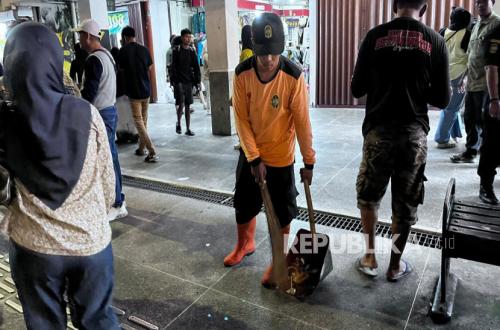
Yogyakarta is predicted to once again become a magnet for tourists during the 2026 Eid holidays. With the Special Region of Yogyakarta (DIY) expected to receive around 8.2 million returning migrants, a surge in tourism activities is inevitable. This situation will directly correlate with a potential increase in waste volume, especially in popular tourist areas.
To anticipate this, the Yogyakarta City Government (Pemkot) has prepared 250 sanitation workers to maintain the city’s cleanliness during the long Eid al-Fitr holiday period. “We are deploying sanitation workers during the long Eid holiday,” said the Head of the Yogyakarta City Environmental Agency (DLH), Rajwan Taufiq, on Saturday (21/3/2026).
“Our prediction is that the most common waste will be wet organic waste such as food and vegetable leftovers, as Eid typically involves many family gatherings, in addition to waste at tourist sites,” he stated.
Hundreds of sanitation workers, consisting of street sweepers, waste depot staff, road shade maintainers, and the Mas Jos Quick Reaction Team (TRC), will be deployed to prevent waste accumulation. Rajwan noted that these hundreds of workers will be on standby 24 hours a day from 18-24 March 2026. His office is also paying special attention to points predicted to be centres of crowds for residents and tourists, including the Malioboro area.
“The sectors include the Malioboro, Kranggan, Krasak, Gunungketur, Ngasem, Gading, Tungkak, and Kotagede areas,” he explained.
Rajwan stated that waste depots will be closed precisely on Eid al-Fitr day and resume normal operations the day after. Therefore, the public is asked not to dispose of waste indiscriminately.
He also issued a call to the public to implement a waste-minimising homecoming and Eid movement. Through this policy, residents and tourists are expected to actively participate in reducing waste generation during the long holiday. Efforts include using reusable food and drink containers, bringing cloth shopping bags, and avoiding single-use plastics and styrofoam.
Additionally, the public and tourists are urged to buy food in moderation to avoid uneaten leftovers.