
Tourism Under Pressure from Middle East Conflict: Academics Say Indonesia Must Adapt Quickly
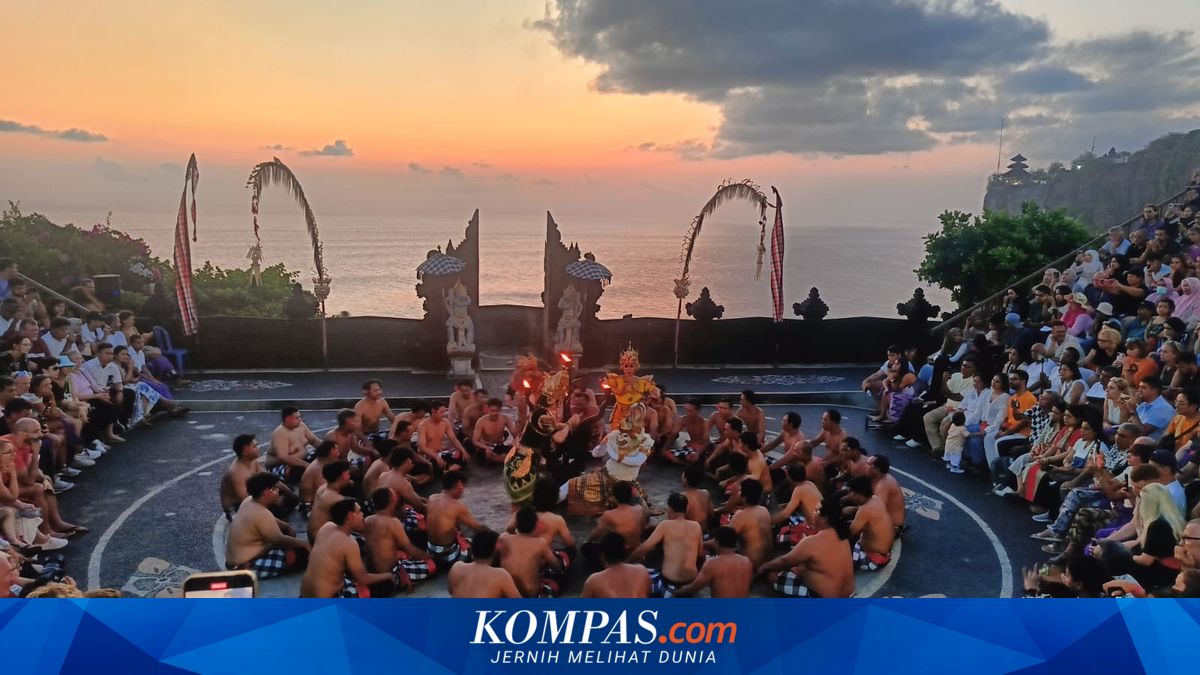
The Middle East conflict, which has been intensifying since early March 2026 with serious escalation between the US-Israel coalition and Iran, is beginning to impact the global tourism sector. Security uncertainties and surging travel costs are slowing tourist movements, even leading to declines. Prita Ayu Kusumawardhany, a lecturer at the Faculty of Business and Economics at the University of Surabaya in East Java, views this situation as a wake-up call for Indonesia to adapt quickly to avoid losing momentum. The combination of these factors is making tourists increasingly selective in choosing destinations, so travel decisions are no longer just about the beauty of the place but also about safety and travel certainty. “Although considered geographically safe, the surge in travel costs and longer routes must be addressed wisely,” she told journalists, including Kompas.com. In the midst of this uncertain global situation, she emphasises the importance of rebuilding tourist confidence. One step that can be taken is to strengthen digital campaigns. “The government can promote Indonesia as a safe and stable destination through digital campaigns to build tourist confidence,” said Prita Ayu. This strategy is deemed crucial for maintaining Indonesia’s image as a comfortable tourism destination amid global conflicts. In addition to promotion, market approaches also need to be adjusted. Short-haul travellers are the most potential segment in the current conditions. “Coordination with the Ministry of Tourism and Creative Economy must also be carried out. Providing support for domestic travel agents, for example, with subsidies for domestic travel tickets, can also attract tourists to travel,” she added. Meanwhile, security factors are the main consideration for tourists. For this reason, Prita Ayu encourages the use of technology in monitoring tourist destinations. Technology-based monitoring systems at busy spots like Bali are seen as able to provide a sense of security while increasing visitor confidence. At the business operator level, she emphasises the importance of flexibility and diversification. She suggests implementing a dual market strategy, strengthening domestic and regional Asian tourism to 60-70 percent. “In addition, continue to monitor information from the media and updates from airlines and the International Air Transport Association (IATA). This is necessary to evaluate flight risks and safety,” said the lecturer who completed her Doctoral Programme in Technology Management at the Institut Teknologi Sepuluh Nopember Surabaya (ITS). Promotions with guarantee systems or refunds are one relevant strategy. Regular travel advisories are also needed so that business decisions are always based on the latest data.