
Tourism Ministry assesses halal ecosystem strengthening boosts Indonesian tourism competitiveness
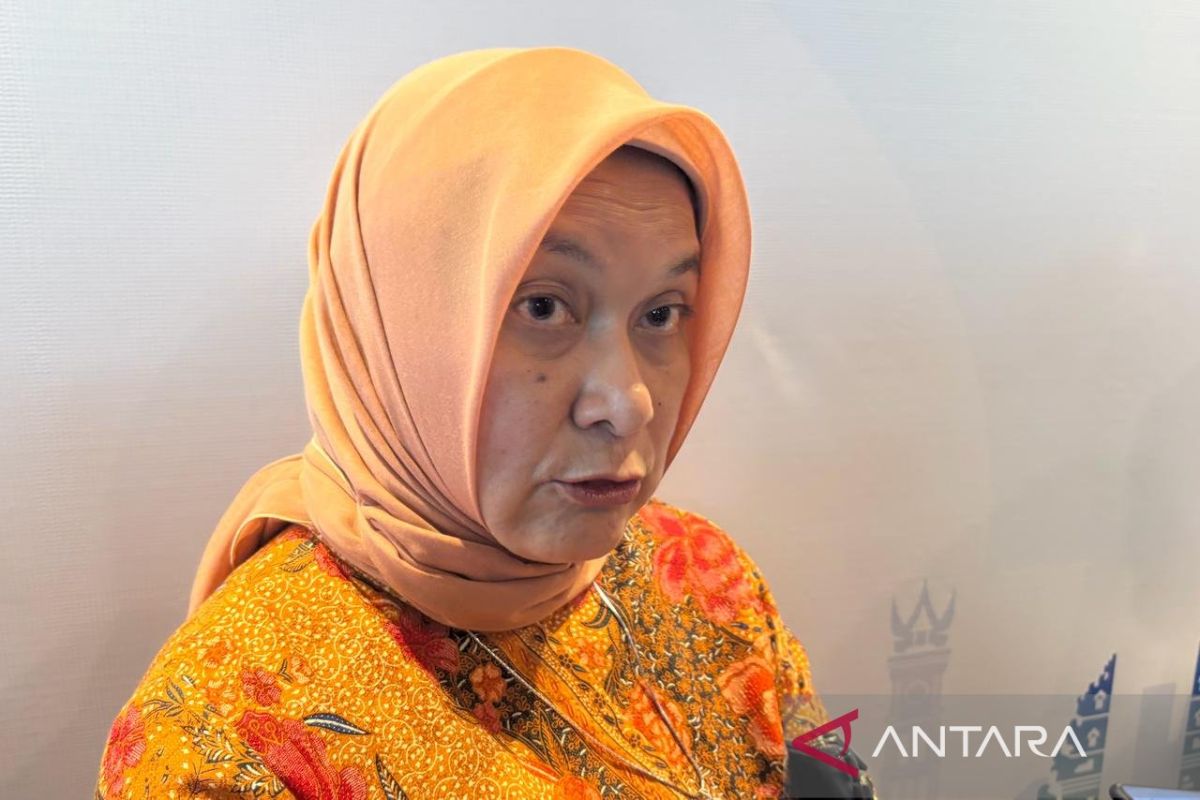
Jakarta (ANTARA) - The Tourism Ministry (Kemenpar) assesses that strengthening the halal ecosystem through halal certification can bolster the competitiveness of Indonesia’s tourism sector.
Acting Deputy for Industry and Investment at Kemenpar, Rizki Handayani, stated that reinforcing the halal ecosystem aligns with the mandate of the 2025–2029 National Medium-Term Development Plan (RPJMN), which places the development of Muslim-Friendly Tourism and the strengthening of the sharia economy as an important part of national development.
“With strong collaboration between the government, businesses and all stakeholders, I am confident we can build a halal industry and tourism ecosystem that is increasingly high-quality, competitive and provides broad benefits for the community,” Rizki said in a joint statement with the Halal Product Assurance Organising Body (BPJPH) in Jakarta on Thursday.
Developing Muslim-Friendly Tourism, she continued, not only aims to meet the needs of Muslim travellers, but is also a strategy to increase the competitiveness of Indonesian tourism while strengthening the national sharia economy.
“By strengthening halal products and services, Indonesia can open wider market opportunities for business actors, especially MSMEs which are the backbone of the tourism sector,” Rizki stated.
Kemenpar also affirmed that tourism development is not only measured by the increase in tourist visits, foreign exchange, investment, or its contribution to the national economy. Beyond that, tourism development must be able to deliver economic benefits felt directly by the community through job creation, MSME strengthening and improving public welfare.
“Within that framework, the development of tourist villages is one of the strategic instruments to promote the equitable distribution of tourism’s economic benefits,” Rizki said.
She added that this is in line with the collaborative efforts of Kemenpar and BPJPH in expanding halal certification facilitation for micro and small business actors in tourist villages.
“As of 30 May 2026, a total of 31,548 halal certifications have been facilitated for MSMEs in 1,116 tourist villages spread across 34 provinces,” Rizki said.
“This achievement shows that halal certification is not only an instrument for regulatory compliance, but also a means to improve product quality, strengthen tourist trust, and increase the competitiveness of community businesses,” she added.