
Tourism, Ambition, and the Forgotten Mandate
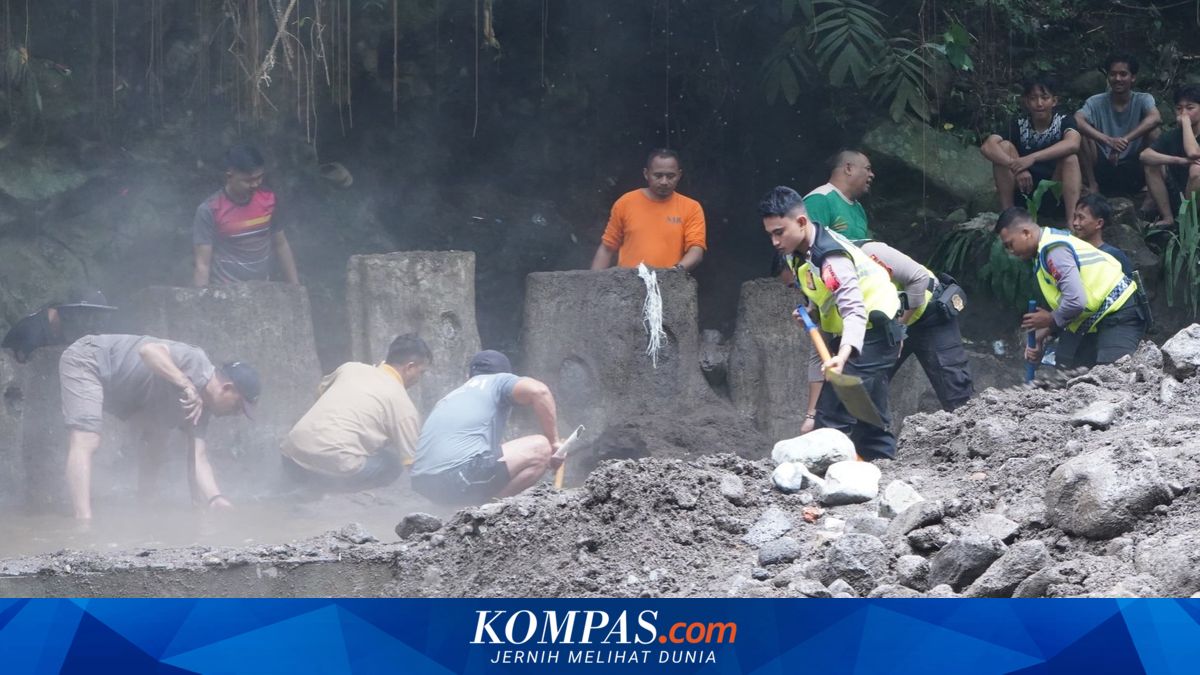
Indonesia today is racing ahead. From Sabang to Merauke, tourist destinations are sprouting up like mushrooms in the rainy season. Tourism is positioned as the engine of the economy—a generator of foreign exchange, creator of jobs, and a showcase of Indonesia’s face to the world. However, amid all the excitement, one question often gets drowned out: is this growth aligned with our awareness as guardians of the earth? Development ambitions often exceed reasonable limits. Forests are cleared for villas, hillsides are slashed for access roads, and water sources are exploited for tourist comfort. Herein lies the paradox: as tourism grows, its ecological foundation slowly crumbles. We have been repeatedly warned by nature. Flash floods in tourist areas, landslides in highland regions, and damage to coastal ecosystems are no longer rare occurrences. In some mountainous areas of East Java, for instance, development pressure in upstream regions has worsened the impacts of extreme rain. Nature seems to speak in a harsh language: something is wrong with how we treat the earth. Unfortunately, our responses are often temporary. We grieve when disasters strike, rally aid, and then return to old patterns once things calm down. Disasters are seen as mere fate, not as warnings. Yet, if reflected upon more deeply, the ecological crises happening today are a mirror of a crisis of consciousness itself. From an Islamic perspective, this issue has long been explained. Humanity is appointed as khalifah on earth—not as absolute rulers, but as managers bearing a mandate. The Qur’an reminds us not to cause corruption after the earth has been created in a state of balance. The concept of mizan is key. Nature was created with precise measure—forests as water buffers, mountains as stability guardians, and seas as climate regulators.