
Top Chinese University Graduates Compete for Factory Jobs
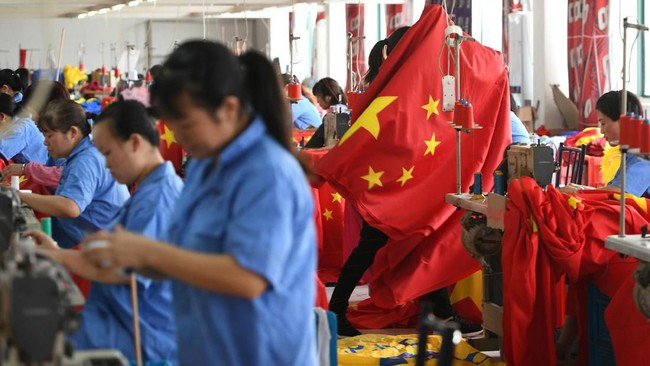
Graduates from China’s elite universities are now abandoning the technology and finance sectors in favour of manufacturing and energy jobs. This shift is occurring alongside the growing need for engineering talent in high-tech strategic industries.
Employment data from Tsinghua University shows that the number of graduates entering manufacturing and energy sectors rose 19.1% year-on-year for the 2025 cohort. This trend has persisted for six consecutive years.
Some of the companies recruiting the most Tsinghua graduates this year include Huawei, BYD, State Grid Corporation of China, and China National Nuclear Corporation. These firms operate in telecommunications, electric vehicles, electricity, and nuclear energy.
Tsinghua is often compared to MIT or Stanford and is known as the primary supplier of engineering talent to China’s industrial giants.
Citing Business Insider, a similar trend is evident at other universities. Statistics for the 2025 graduates of Huazhong University of Science and Technology indicate around 1,500 entering manufacturing, far exceeding the approximately 300 in finance.
Nationally, the proportion of Chinese graduates entering manufacturing has increased from 17.9% in 2020 to 22.5% in 2024.
The prestige of factory work
Experts note that China’s manufacturing sector has undergone a drastic transformation into a high-tech industry. Fields such as semiconductors, electric vehicles, batteries, and renewable energy require top-tier engineering talent.
Roles in these sectors are no longer synonymous with traditional factory jobs but rather involve developing robotics, industrial AI, advanced materials, and system integration.
Moreover, competitive salaries are making the manufacturing sector increasingly attractive to fresh graduates.
On the other hand, the technology and finance sectors are losing their allure. Hiring has slowed due to stricter regulations and corporate efficiencies.
Alibaba’s workforce, for example, has declined from around 250,000 in 2022 to approximately 124,000 in 2025. Baidu has also cut more than 21% of its workforce from its peak.
Tight labour market conditions are also a factor. Youth unemployment in China stands at 16.5%, significantly higher than other age groups.
In contrast, the manufacturing sector faces a labour shortage. The Chinese government estimates nearly 30 million skilled manufacturing positions will remain unfilled by 2025.
Government policies prioritising electric vehicles, renewable energy, and advanced materials are accelerating this shift. As a result, graduates from elite universities now view the manufacturing industry as the technology sector of the future with promising career prospects.