
Tomorrow's "MSCI Rebalancing", OJK Signals Indonesian Stocks May Be Removed from Index
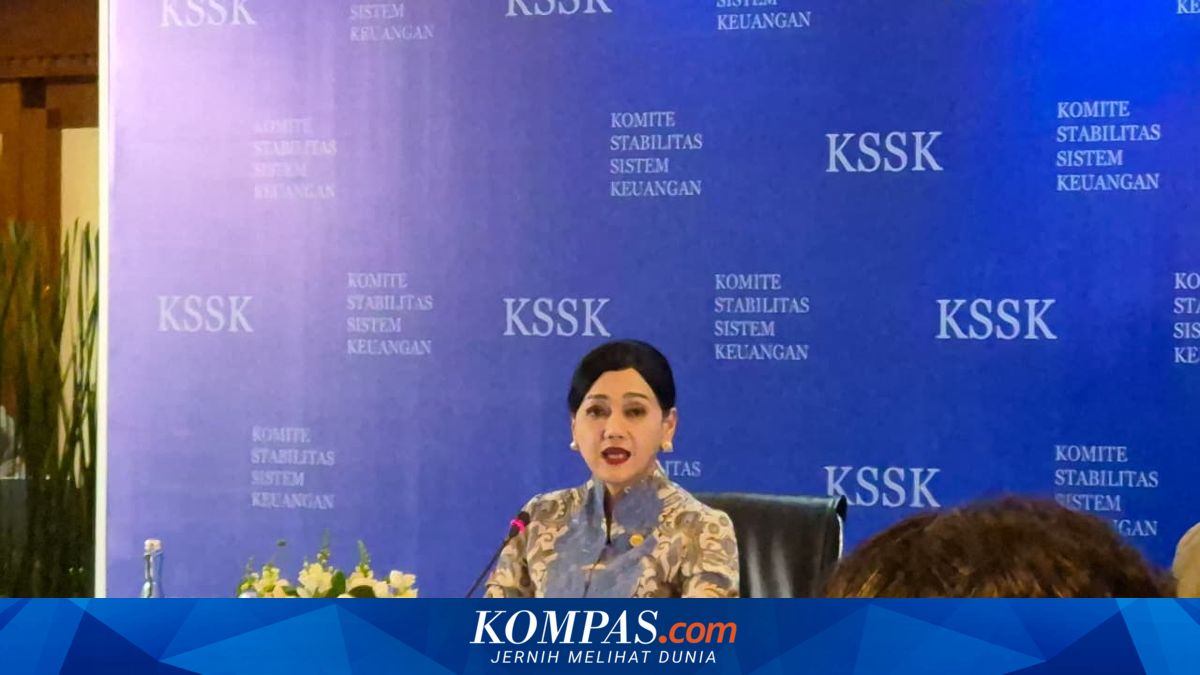
JAKARTA, KOMPAS.com - The Financial Services Authority (OJK) has signalled the potential removal of Indonesian stocks from the Morgan Stanley Capital International (MSCI) index in the global rebalancing to be held on Tuesday (12/5/2026).
Nevertheless, OJK has asked market participants not to panic and considers MSCI’s move as part of the domestic capital market reforms that have been underway for some time.
In the rebalancing, MSCI will apply special treatment to certain stocks, particularly those deemed to have high shareholding concentration (HSC).
OJK Commissioner Board Chair Friderica Widyasari Dewi stated that in the MSCI index rebalancing process, there is a possibility that Indonesian stocks will undergo adjustments. This process is seen as normal because the index rebalancing mechanism is carried out periodically by MSCI to adjust the stock composition based on certain criteria.
“It’s possible that some stocks will be adjusted, right? This is called index rebalancing. So, even if the announcement is tomorrow, we’ll wait, as they’ve said it’s frozen, so nothing new will enter, but some old ones might exit,” said Friderica when met at the Indonesia Stock Exchange (BEI) building on Monday (11/5/2026).
Index rebalancing is the process of adjusting the composition of stocks in an index. This step is carried out periodically to ensure the index continues to reflect current market conditions based on a number of predetermined criteria, such as market capitalisation, stock liquidity levels, and issuer industry sectors.
In its latest review for May 2026, MSCI is still maintaining restrictions on Indonesian stocks. One of the policies reaffirmed is the exclusion of stocks with high ownership concentration, which are considered risky to liquidity and investment accessibility.
Friderica views the short-term adjustments that may occur due to MSCI’s evaluation as a consequence of the Indonesian capital market improvement process. She believes that the reforms and improvements carried out by the regulator may cause temporary pressure in the market, but those steps are expected to provide long-term benefits for the health of the domestic capital market.
She likened the improvement process to a body that might feel uncomfortable for a while but will ultimately become healthier. Therefore, OJK ensures that fundamental reforms need to continue to strengthen the quality, integrity, and resilience of the Indonesian capital market.
“And even if there are short-term adjustments, we see this as short-term pain, but insha’Allah long-term gain. So, if we make improvements, of course the body might feel a bit uncomfortable, but going forward, our capital market will be healthier,” she explained.
“So, if we want to make improvements, it’s to carry out fundamental improvements, and all possibilities can happen,” added the woman who is familiarly called Kiki.
In addition to integrity reforms, OJK is also continuing to promote capital market deepening through improving issuer quality, strengthening law enforcement, and expanding the domestic investor base.
Market deepening is important to maintain the stability of the Indonesian capital market amid global volatility.
Kiki added that Indonesia’s domestic investor structure is now much stronger compared to a few decades ago. The number of domestic capital market investors has now reached around 26 million investors.
“Now, we have about 26 million investors, and then there are more investors in our market, both retail and we encourage, so that institutions also increasingly enter the Indonesian stock market,” she concluded.