
Tomato Prices Skyrocket Nearly 40%: What's Behind It?
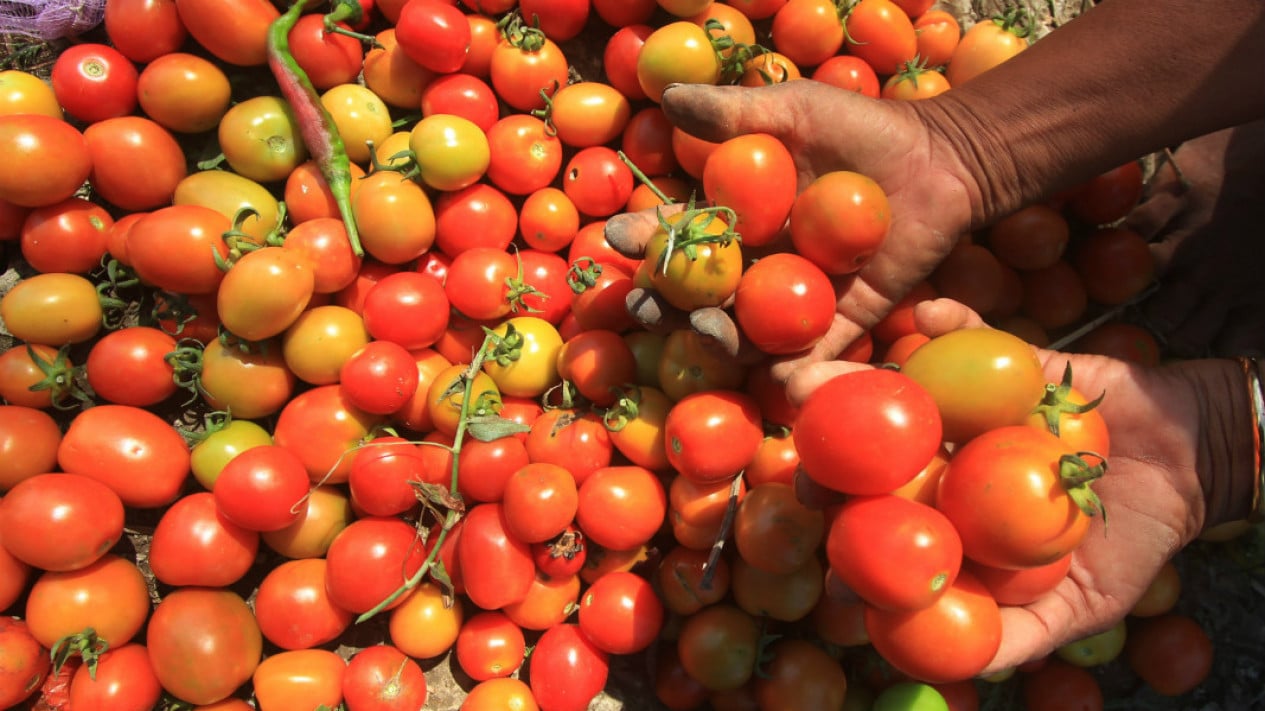
Tomato prices in the United States have surged sharply over the past year. The commodity’s price increase has even outpaced other food items such as coffee, beef, and seafood.
According to US government data up to April 2026, tomato prices rose nearly 40% compared to the same period last year, significantly higher than the overall food price increase of around 17%.
Federal Reserve data shows the average tomato price now stands at US$2.69 per pound, or approximately Rp47,882 per pound at an exchange rate of Rp17,800 to the US dollar, marking the highest recorded level.
By comparison, coffee prices rose 18.5% over the past year, while minced beef increased by 19% and seafood by around 12%. According to David Branch, sector manager at Wells Fargo Agri-Food Institute, one of the main causes of the tomato price surge is US trade policies towards Mexico.
In July, the US government imposed a 17% tariff on Mexican tomatoes after withdrawing from a trade agreement that had been in place for three decades. The agreement previously allowed Mexican tomatoes to enter the US duty-free.
While the policy benefits domestic farmers, it has also made tomatoes more expensive for consumers. Federal data shows tomato tariff revenues surged from just US$16,424 (approximately Rp292 million) in 2024 to nearly US$4.6 million (around Rp81.88 billion). Branch also noted that nearly 90% of US tomato imports in 2025 came from Mexico.
‘The US relies on Mexico for the majority of its tomato supply, so any changes in trade policy can have significant impacts,’ said Brett Massimino, a business professor at Virginia Commonwealth University, as quoted by CBS News on Sunday, 31 May 2026.
Besides import tariffs, tomato supplies have been disrupted by adverse weather and crop diseases affecting production hubs in Mexico and Florida. This has reduced output and market supply. ‘What makes this situation unique is the tomato supply shortage, while other agricultural products are not experiencing similar shortages,’ said Phillip Coles, a supply chain management professor at Lehigh University.