
Toll Roads Increasing But Greater Jakarta Congestion Worsening: What's the Cause?
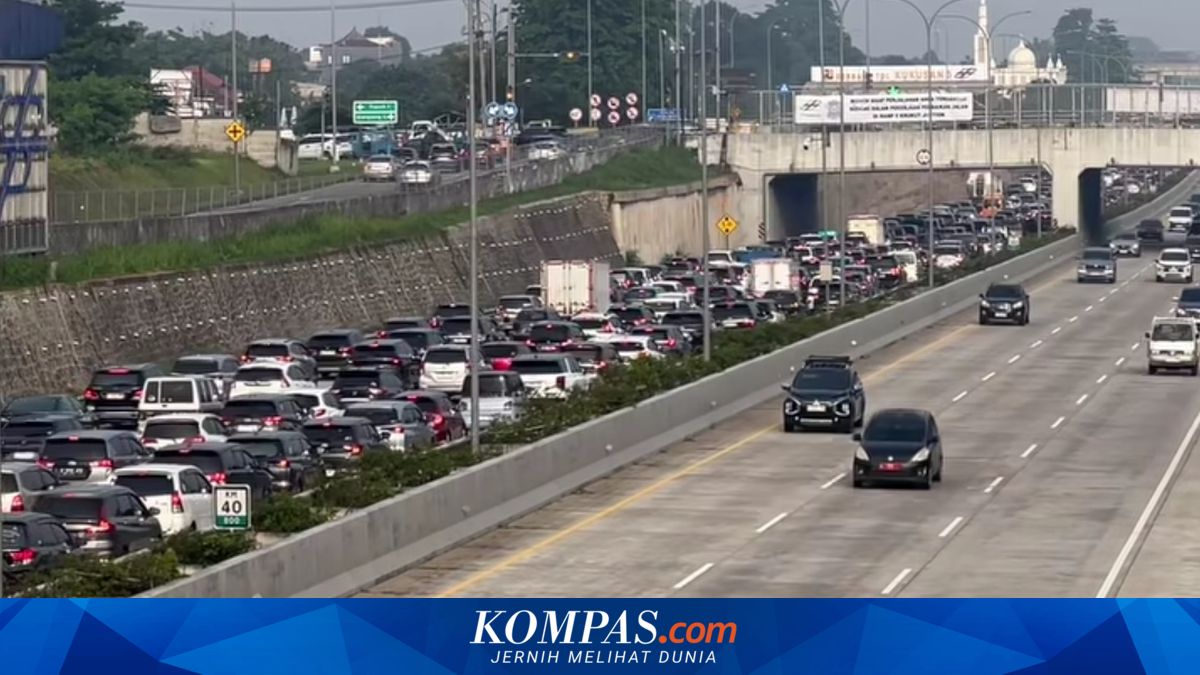
JAKARTA – The toll road network serving the Greater Jakarta region is considered to be reaching a concerning saturation point.
During a Forum Group Discussion held on Monday, 16 March 2026, Henry Armijaya and LB Budi Prasetyo from the Civil Engineering programme at ITSB presented facts explaining why congestion in Jakarta and surrounding areas continues to worsen despite the ongoing expansion of road networks.
According to them, the core issue lies in the imbalance of traffic loads, triggered by tariff disparities and travel patterns that remain heavily centralised towards Jakarta. This condition creates driver behaviour that tends to seek routes with the lowest tariffs, even if it requires travelling longer distances or passing through congestion points.
The current tariff system is considered incapable of functioning as a demand management instrument. As a result, extreme traffic loads accumulate on certain road sections, whilst other sections remain underutilised.
ITSB’s study simulated three policy scenarios to improve the performance of the road network. The primary focus is on the operation of heavy vehicles (cargo transport), which are often blamed for reducing average speeds on toll roads.
Scenario 1: A 24-hour ban on cargo transport across the Inner City Toll Road (Cawang-Tomang) and Jakarta-Tangerang sections (Kembangan-Tomang).
Scenario 2: Introducing operational restrictions on the JORR toll road (Kampung Rambutan-Kembangan-PIK) during peak hours (05.00-22.00).
Henry explained that JORR’s influence on the overall road network performance is highly dominant. However, heavy vehicle restrictions cannot stand alone. They must be accompanied by improvements in the operational performance of other logistics modes to avoid hindering national cargo flow.