
Toll Road Industry Stagnant, Construction Costs Reach Rp 350 Billion Per Km
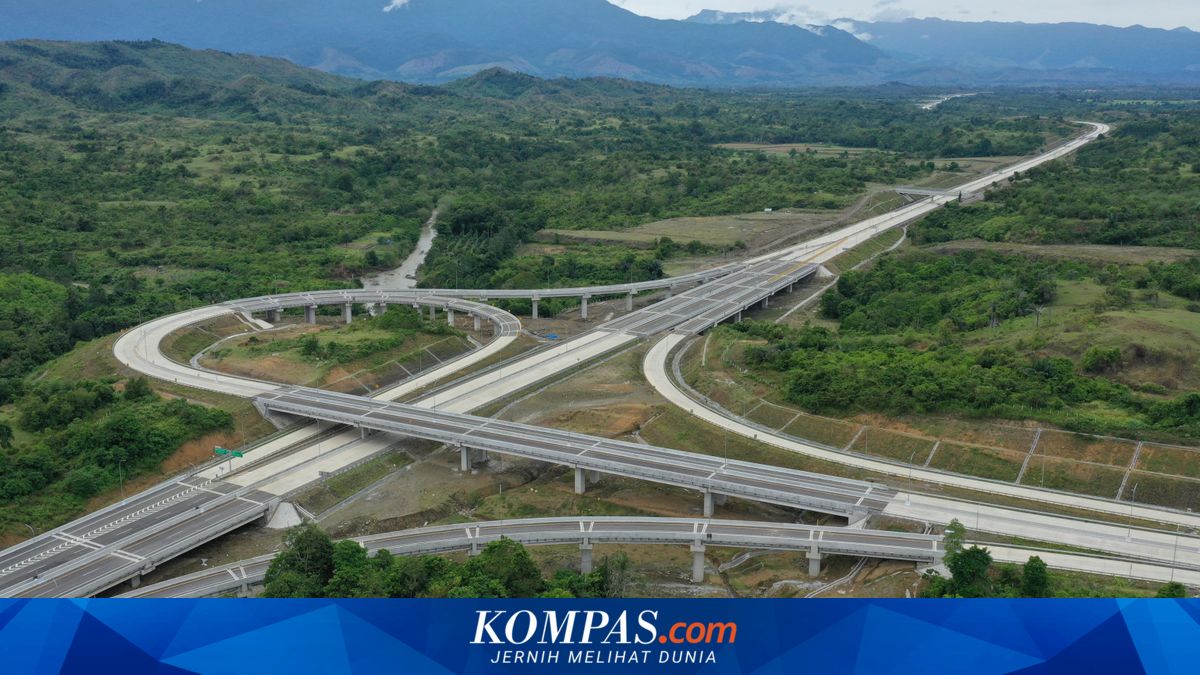
Infrastructure toll roads in Indonesia are viewed as a sector that has entered a saturation phase. On one hand, the government continues to promote connectivity as the backbone of the economy, but on the other hand, the burden of ballooning investment costs and low rates of return on capital are causing investors to abandon new projects. The most evident indicator is Indonesia’s Incremental Capital Output Ratio (ICOR), which remains at levels of 6.2 to 6.5. This high ICOR index reflects inefficiency; Indonesia requires far greater capital to produce one unit of infrastructure output compared to neighbouring countries. The high cost of building toll roads in Indonesia is driven by an uncompetitive construction sector ecosystem and heavy fiscal burdens. Currently, the cost of building standard toll roads ranges from Rp 150 billion to Rp 200 billion per kilometre. This figure surges sharply to Rp 300 billion to Rp 350 billion per kilometre for elevated construction. This situation is worsened by global geopolitical turbulence that pressures the availability of financing sources in the market. “Indonesia requires higher resources and investment to produce the same unit of infrastructure compared to other countries. This condition affects the feasibility and competitiveness of our infrastructure projects amid global financing scarcity,” said Kris Ade to Kompas.com on Wednesday (23/4/2026). The stagnation of the toll road industry is also caused by a change in the perception of the function of roads. If previously toll roads were considered alternative routes, now the public and government position them as the main connectivity network (backbone). Unfortunately, long-distance inter-regional connectivity toll road sections have traffic profiles that are very contrasting with metro areas. As a result, many tenders for new toll road projects receive few interested parties because they are deemed unprospective financially.