
Tokuryu: Japan's New Gang Challenging Yakuza Dominance
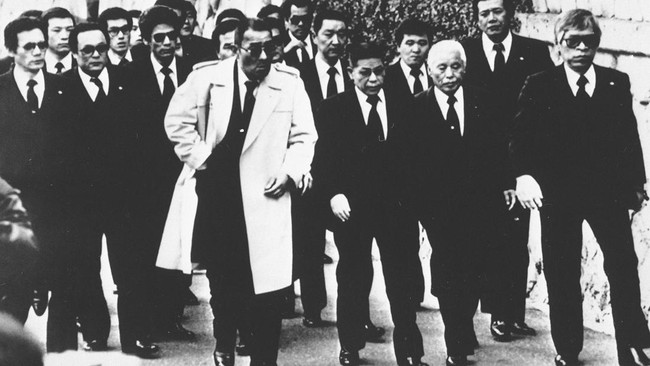
Jakarta, CNBC Indonesia - The criminal landscape in Japan is changing. For decades, the Yakuza have been the symbol of Japanese mafia, but a new phenomenon called ‘Tokuryu’ is now drawing security authorities’ attention.
Tokuryu is a term used to describe anonymous criminal organisations operating without the formal structure of the Yakuza. The name derives from a Japanese acronym meaning ‘liquid criminal group’ or flexible.
Unlike traditional Yakuza syndicates bound by strict rules and a code of honour, this new group operates like a ruthless, anonymous tech startup.
The emergence of Tokuryu has triggered a surge in fraud and robbery across Japan, with losses reaching tens of billions of yen. Tokyo police have designated the group as a ‘top public order priority’ and formed a 100-officer task force to dismantle the ameba-like network.
Takanori Kuzuoka (28), a former Tokuryu recruiter now in prison, provided rare testimony via a handwritten letter to AFP. He explained that Japanese millennials and Gen Z are increasingly joining Tokuryu to avoid the rigid hierarchy of the Yakuza.
‘Every day, countless people fall for my high-paying job ads posted on X,’ Kuzuoka wrote.
Field operatives are often ordinary civilians trapped in debt or economic hardship, ranging from sex workers, gamblers, to former boy band members. They are recruited for ‘yami baito’ — underground part-time jobs in the black market.
Unlike the Yakuza, which traditionally claim to uphold a ‘knightly code’ (ninkyo) to avoid targeting the weak, Tokuryu has no such moral constraints. Their primary crimes are organised scams targeting Japan’s elderly population.
The most common scam is the ‘It’s me!’ fraud, where perpetrators call elderly victims pretending to be a child or grandchild in trouble, begging for money. Between January and July this year, such scams cost Japanese citizens 72.2 billion yen (approximately US$474 million).
Yakuza’s Decline
Meanwhile, the multi-billion dollar Yakuza empire continues to shrink. Police data shows Yakuza membership hit a record low of 18,800 last year, a nearly 80% drop since the 1992 anti-gangster law was enacted.
‘Young people now don’t want to start from the bottom and climb up,’ said a senior Yakuza official to AFP. Strict 2011 regulations banning Yakuza members from opening bank accounts, renting homes, or having mobile contracts have made the traditional gangster world less appealing.
Despite ideological differences, police have detected cooperation between ‘old players’ and ‘new players’. Tokuryu, which has ample funds but lacks physical protection, sometimes hands over a portion of its criminal proceeds to the Yakuza. In return, the Yakuza provides ‘muscle’ or protection to ensure Tokuryu leaders aren’t harassed by others.
A lawyer for Yamaguchi-gumi, the largest Yakuza faction, admitted some low-ranking members are forced into fraud due to financial difficulties.
‘Making money by scamming people isn’t what Yakuza should do, but business opportunities for them are now scarce,’ he said.
The Japanese government is racing against time to cut off this online recruitment chain before Tokuryu evolves into a larger, harder-to-track cyber network.