
Tokocrypto Responds to New Crypto Regulation as State Seizure Object
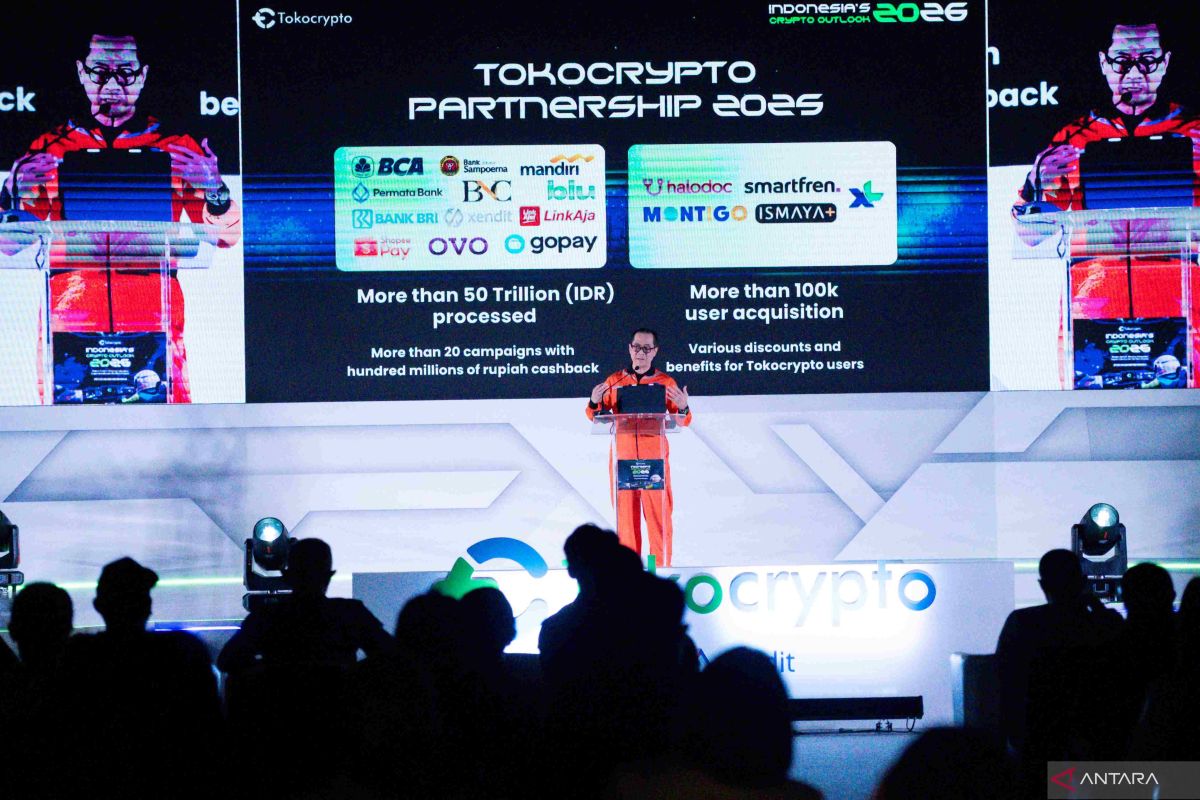
Jakarta (ANTARA) - Tokocrypto has responded to Ministry of Finance Regulation (PMK) No. 23 of 2026, which includes crypto assets as one of the objects that can be seized by the state in the process of settling receivables.
In a statement in Jakarta on Monday, Tokocrypto CEO Calvin Kizana assessed the policy as an important step in strengthening the legitimacy of crypto assets in Indonesia.
The regulation is seen as a signal that the government is beginning to build a more comprehensive legal framework for digital assets, not only from the trading perspective but also in the context of law enforcement and state financial management.
According to Calvin, this can serve as the foundation for creating a crypto ecosystem that is more integrated with the national financial system.
Calvin added that such regulatory clarity will help increase investor and industry confidence by showing that crypto has a clearer position in the eyes of the law.
With recognition in the asset seizure mechanism, crypto is now treated on par with other financial instruments.
“This is not just about seizure, but about how crypto is recognised as part of an economic system that has value, can be measured, and can be used in various mechanisms,” he explained.
“This regulation marks a new phase in recognising crypto as an asset with real economic value. When the state includes crypto as a seizure object, it means that crypto’s position is no longer viewed merely as an alternative asset, but has become part of the recognised financial system,” he added.
For information, the policy in question is contained in PMK No. 23 of 2026, signed by Finance Minister Purbaya Yudhi Sadewa on 27 April 2026.
The regulation is an update to PMK No. 240/PMK.06/2016, adjusted to developments in asset types, including digital assets.
Through this regulation, the state, via the State Receivables Committee (PUPN), has broader authority in managing seized assets.
One crucial point is regulated in Article 186A, which allows the state to directly take control and utilise assets, including crypto, without requiring approval from the debtor.
This mechanism is assessed to accelerate the debt repayment process as it does not require waiting for auction processes or lengthy legal stages.
In addition, Article 233 expands the scope of seizure objects, now including cash, digital assets, deposits in financial institutions, shares, bonds, and capital participation.
Nevertheless, Article 297D emphasises that the takeover of assets only reduces the principal debt and does not eliminate administrative costs. The government also stresses that asset valuation must still be carried out by professional appraisers to ensure fair market value.
Furthermore, Calvin assessed that the long-term impact of this policy has the potential to drive broader integration of digital assets into the national financial system.
“We can see crypto becoming more integrated with the traditional financial system, including in legal aspects and obligation settlements. This will increase public confidence while encouraging healthier and more structured industry growth,” said Calvin.
With the issuance of PMK No. 23 of 2026, the government hopes that the state receivables settlement process can run more quickly and efficiently, while adapting to the dynamics of asset developments in the digital era.