
Tofu Makers Cut Product Size Rather Than Raise Prices Amid Soaring Soybean Costs
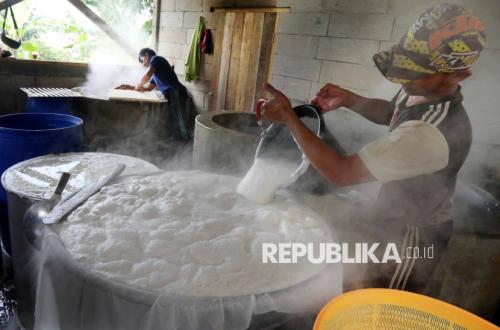
Soybean prices continue to climb, hitting home-based tofu industries in Kulon Progo. Tofu artisans at Nunggal Roso in Tuksono Village are now reducing the size of their products to survive as soybean prices hit Rp11,000 per kilogram. They chose this route over raising prices, fearing customers would leave while production costs keep rising.
“Rather than raise prices and lose customers, we’ve reduced the size by a few millimetres,” said Mubari, Deputy Chairman of Nunggal Roso Tofu, on Monday (25 May 2026).
This strategy is a bitter path artisans must take to ensure traditional markets still absorb their products. Meanwhile, their profits are shrinking as soybeans account for up to 70% of production costs.
Pressure isn’t limited to raw materials. Artisans are also tightening expenses on firewood, gas, and plastic packaging. Every step of production is closely monitored to prevent soybean waste. “Every soybean must be used to its fullest,” said Mubari. However, efficiency alone isn’t enough to offset the mounting costs hitting small businesses.
This situation highlights the fragility of home-based food industries against volatile imported raw materials. Tofu artisans are caught in a dilemma: raising prices risks losing customers, while maintaining prices erodes their profits. To offset losses, some artisans now sell tofu residue as animal feed or for tempe gembus production to maintain cash flow.
Artisans hope the government won’t stand idly by. They’re calling for concrete measures to stabilise soybean prices and shorten distribution chains that burden small businesses. “Subsidies or shorter distribution channels would greatly help us survive,” said another artisan, Suhadi. Without real intervention, cheap tofu—which has long been a staple protein source—risks shrinking not just in size but also in industry sustainability.