
To Tackle Price Surge, India and Vietnam Jointly Cut Fuel Taxes
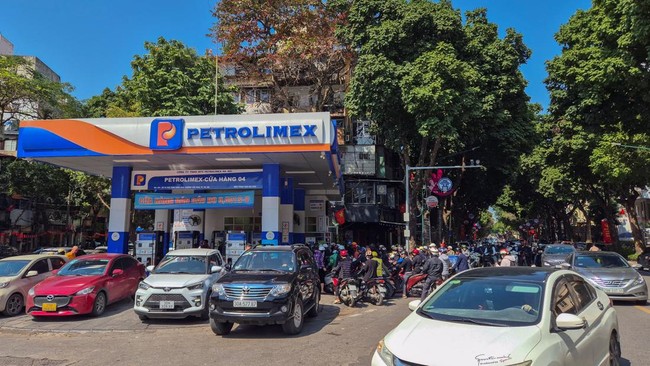
The fuel crisis triggered by the war in the Middle East has compelled several countries to adopt tactical policies to address domestic turmoil. India and Vietnam have jointly implemented cuts to fuel-related taxes.
The Indian government has taken action by lowering fuel taxes as the war in the Middle East continues to disrupt global oil supplies and raise concerns over energy shortages.
Finance Minister Nirmala Sitharaman stated that the government has reduced central excise duties on domestically consumed petrol and diesel. This policy is described as a direct response to the crisis in West Asia.
“Considering the West Asia crisis, central excise duties on petrol and diesel for domestic consumption have been reduced,” Sitharaman said in a statement, as reported by AFP on Friday (27/3/2026).
India, one of the world’s largest crude oil importers, relies heavily on foreign supplies. The South Asian nation meets more than 85% of its oil needs through imports, with Russia as its largest supplier.
Sitharaman explained that taxes on petrol and diesel have been cut by 10 rupees per litre to protect consumers from price surges.
“This cut is to provide protection to consumers from price increases,” she said.
Additionally, the government has set new export tariffs for diesel and aviation turbine fuel. Sitharaman announced export charges of 21.5 rupees per litre for diesel and 29.5 rupees per litre for aviation turbine fuel.
“This policy will ensure adequate availability of these products for domestic consumption,” she added.
The oil price surge since the conflict began has driven up fuel costs sharply and sparked supply shortage fears in various countries. The situation has been exacerbated after Iran closed part of a key energy trade route in the Strait of Hormuz.
Petroleum Minister Hardeep Singh Puri said India is closely monitoring the situation.
Nevertheless, the Indian government has assured that domestic supplies remain secure. The Ministry of Petroleum stated that India has sufficient reserves.
The ministry said India has “nearly two months of stable supply available for every Indian citizen, regardless of what happens globally.”
However, these assurances have not fully alleviated public panic. Worried citizens fearing potential shortages have caused long queues at several fuel stations.
Moreover, many households have rushed to buy electric stoves as an alternative, leading to stock shortages in shops and online platforms.
Vietnam’s Policy
Meanwhile, Vietnam has officially suspended environmental taxes on petroleum fuels temporarily to curb soaring petrol prices.
Vietnam’s Ministry of Industry and Trade explained in its official statement that environmental protection tax rates for petrol, diesel, and aviation fuel will be reduced to zero per cent. This emergency policy takes effect from Friday until 15 April to dampen domestic economic volatility.
“This is considered an urgent and effective solution to stabilise the petroleum market and ensure national energy security amid escalating conflict in the Strait of Hormuz, which has created the biggest energy barrier ever,” the Ministry of Industry and Trade wrote in its official statement.
Data released by the ministry shows that the policy will lower petrol prices by around 26% and reduce diesel prices by just over 15%. This sharp decline follows a drastic rocket in fuel costs earlier this week due to tense geopolitical uncertainty.
The Vietnamese government has also adjusted the price of 95-octane petrol to 24,332 dong (Rp 15,572) per litre on Friday, a significant drop from the previous price of 32,957 dong (Rp 21,092). Meanwhile, diesel prices have also been adjusted downward to 35,440 dong (Rp 22,681) per litre.
Previously, Vietnam had adjusted its fuel prices twice on Wednesday to suppress costs after diesel prices more than doubled since the Middle East war began at the end of last month.