
To Replace 3kg LPG, Bahlil Ensures CNG Will Remain Subsidised
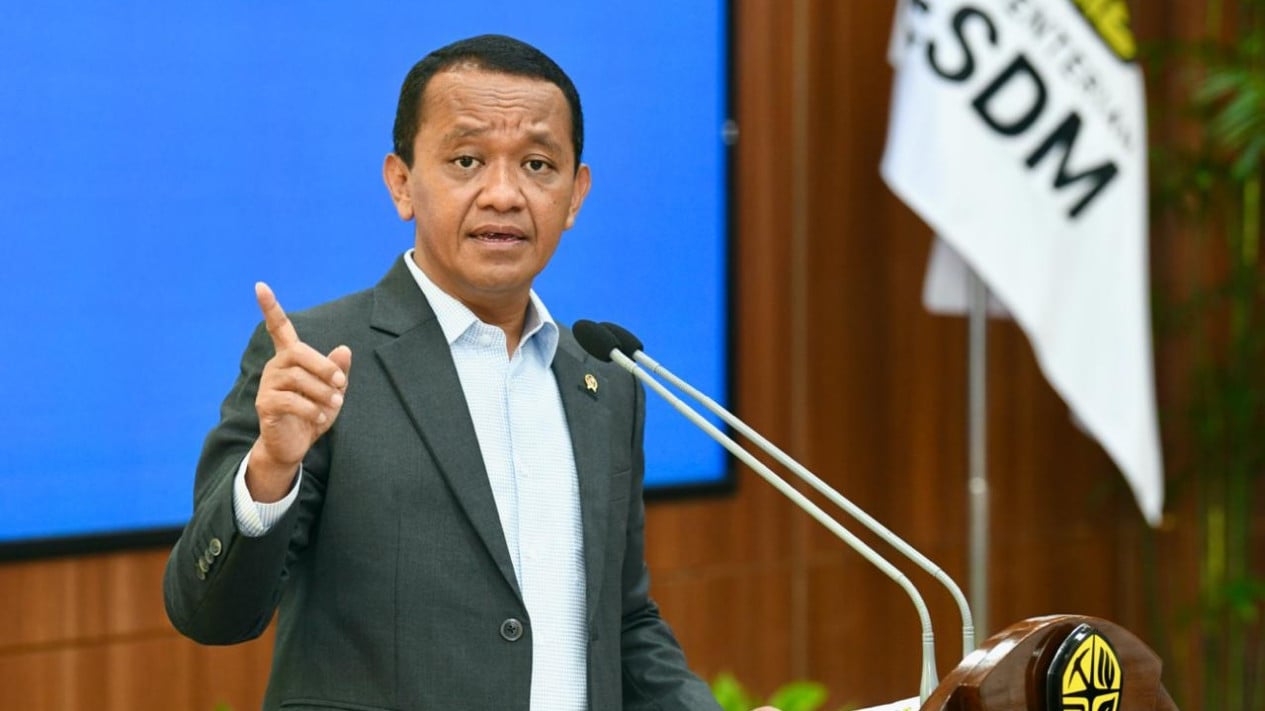
Indonesia’s Minister of Energy and Mineral Resources, Bahlil Lahadalia, has assured that the government will continue providing subsidies for the implementation of Compressed Natural Gas (CNG), which is planned to replace the 3kg Liquefied Petroleum Gas (LPG) cylinders. “I assure you that subsidies will still be necessary for the people,” Bahlil stated at the Ministry of Energy and Mineral Resources office in Jakarta on Wednesday, 6 May 2026. Bahlil explained that this subsidy provision aligns with the directives from President Prabowo Subianto, who has instructed him to prioritise the interests of the people, especially those in need of subsidies. Although subsidies will continue to be distributed, Bahlil estimates that replacing 3kg LPG with CNG could save up to 30% on subsidies. Regarding the distribution plan for CNG, Bahlil noted that it is only slightly different from LPG distribution. “It’s only a slight difference. The only change is from LPG to CNG. CNG does not drain foreign exchange abroad, whereas LPG does, because we do not have the raw materials C3 and C4 (for LPG),” Bahlil said. Currently, the government is not only conducting trials for Type 4 cylinders for CNG, or cylinders intended for 3kg CNG, but is also parallelly reviewing the selling price of 3kg CNG. “Pray that (the price) is below 3kg LPG, yes. At least the same (price). At least the same,” he remarked. Previously, after attending a limited meeting at the Presidential Palace Complex in Jakarta on Tuesday, 5 May 2026, Bahlil explained that CNG is not a new technology, as it has already been used in the hospitality sector, restaurants, and the Free Nutritious Meal (MBG) programme. However, its utilisation so far has been limited to large-capacity cylinders of 10 to 20 kilograms or more. Currently, preparations for small-sized CNG cylinders like 3kg LPG are underway, because CNG has different characteristics compared to LPG. CNG has a pressure of around 250 bar, which is stronger than LPG’s pressure range of 5–10 bar. This difference in gas pressure requires the design of the 3kg gas cylinder to be adjusted, as it directly impacts safety factors. The trial of small-sized CNG cylinders will take approximately 2–3 months.