
To Prevent Surge in Asylum Seekers, Australia Bans Visits from Iranian Citizens for Six Months
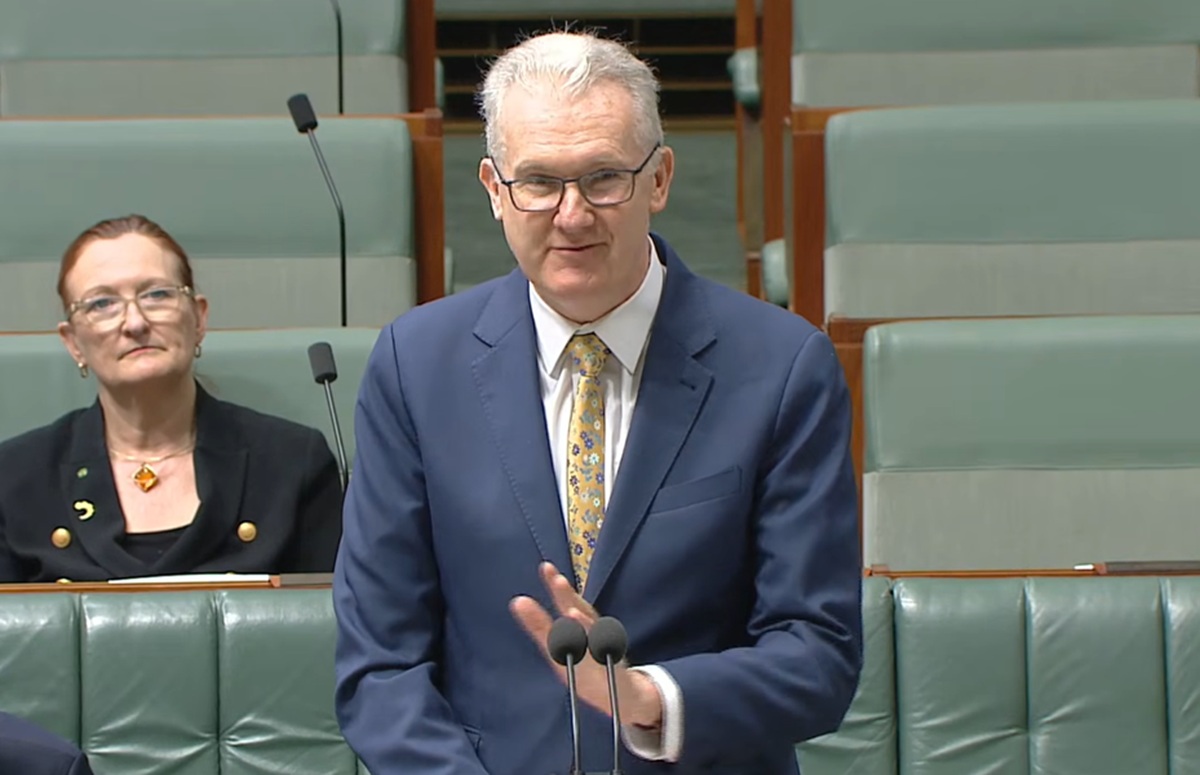
The Australian government has officially implemented a ban on entry for visitors from Iran starting Thursday local time. This firm step is taken due to the intensifying conflict in the Middle East, which increases the risk that holders of short-term visas will refuse to return to their home country after their visas expire.
Australia’s Department of Home Affairs stated that for the next six months, individuals travelling with Iranian passports will be prohibited from visiting Australia for tourism or business purposes.
“The conflict in Iran has heightened the risk that some temporary visa holders may be unable or unwilling to leave Australia when their visas expire,” the department wrote in its official statement.
Australia’s Home Affairs Minister, Tony Burke, stressed that this measure is intended to safeguard the integrity of the country’s immigration system. He emphasised that permanent residency status must be a planned government decision, not merely an incidental effect of conflict situations.
“There are many visitor visas issued before the conflict in Iran that might not be issued if applied for now,” said Tony Burke. “Decisions on permanent residency in Australia must be deliberate government choices, not random consequences of who booked a holiday.”
Nevertheless, the government continues to provide certain exceptions on a case-by-case basis, particularly for parents of Australian citizens. Currently, there are more than 85,000 Australian residents born in Iran, with a large diaspora community in major cities such as Sydney and Melbourne.
Diplomatic relations between Canberra and Tehran are at a low point. Earlier this month, Australia angered the Iranian government after granting asylum to seven players and officials from Iran’s women’s national football team who were visiting.
Those players had previously been branded as “traitors” by authorities in their country after refusing to sing the national anthem before an Asian Cup match. The action was seen as a form of defiance against the Islamic Republic of Iran.
However, the dynamics of that asylum case shifted mysteriously. Five of the seven individuals later withdrew their decision to seek protection in Australia. This sparked strong suspicions that their families in Iran had received threats from local authorities.
This six-month entry ban is viewed as Australia’s effort to minimise potential administrative and diplomatic burdens amid the uncertainty in the Gulf region.