
To Meet MBG Programme Targets, Vegetable Consumption in Indonesia Must Double
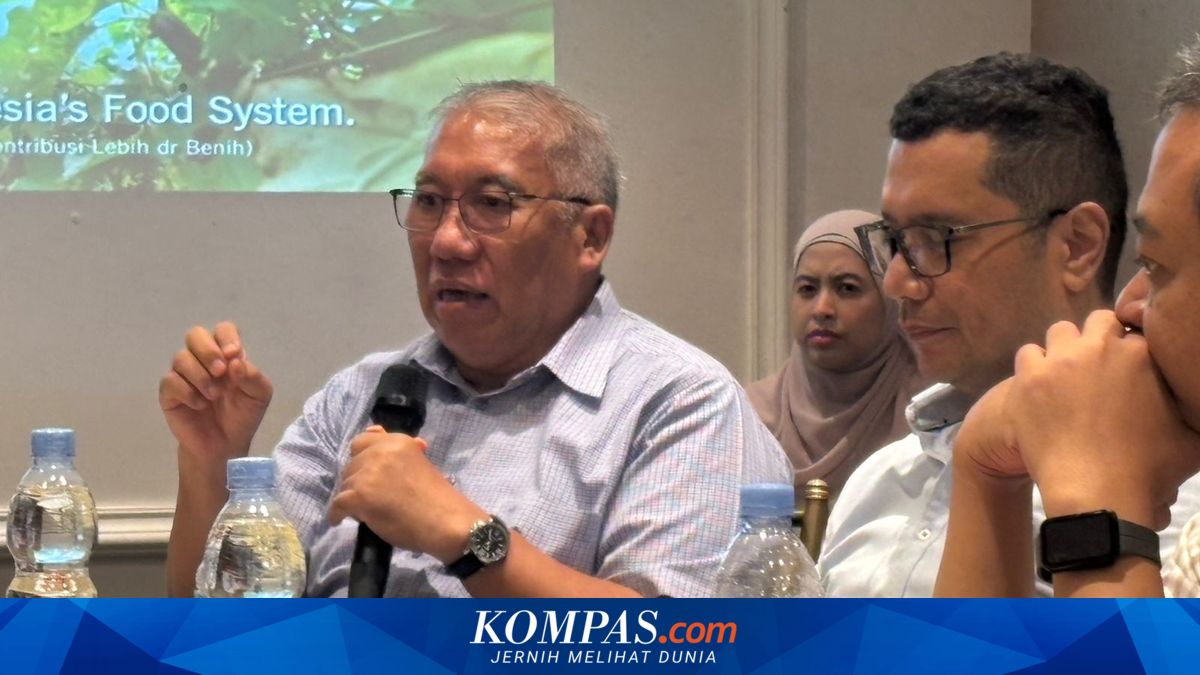
JAKARTA - Vegetable consumption among Indonesians is still far from ideal levels, requiring a significant increase, particularly to support the success of the Free Nutritious Meals (MBG) programme. Agriculture expert Bayu Krisnamurthi stated that national vegetable consumption remains below global recommendations. Based on research from the World Health Organisation (WHO), Indonesian vegetable consumption is only around 38.5 kilocalories per day. “The minimum recommendation is about 62.5 kilocalories. This means vegetable consumption in Indonesia should double compared to current levels,” Bayu said in Jakarta on Wednesday (22/4/2026). He explained that measurement in calories is used due to the wide variety of vegetables. This approach allows for more accurate standardisation of consumption needs. Even for certain groups like pregnant women and children, vegetable requirements are higher. “For pregnant women, it can reach up to 100 kilocalories, or nearly three times as much. For children, around 75 kilocalories, so it must indeed be increased,” he clarified. “Public awareness is already there. Around 57 to 60 per cent want to increase vegetable consumption for a healthier life,” he added. According to Bayu, this increase must be accompanied by strengthening the vegetable food system, from production to distribution, to ensure a stable supply. He also views the MBG programme as a strategic step that impacts not only the short term but also the long term on human resource quality. School nutritious meal programmes have been proven globally to deliver significant economic and social impacts. “Programmes like MBG are long-term investments. Their effects can be felt 15 to 20 years from now, when children grow into more productive workers,” he said. Bayu stressed that the food paradigm also needs to change, from merely a commodity to a source of nutrition. In this context, vegetables play a crucial role as irreplaceable sources of fibre and vitamins. “Food is not just about carbohydrates; it must be complete, with protein, fibre, and vitamins. That is where the role of vegetables becomes very important and strategic,” he asserted. The targets of this programme include vulnerable groups such as pupils, pregnant and breastfeeding mothers, and toddlers, who require sustained nutritional interventions. As of February 2026, the programme’s implementation has reached more than 61 million beneficiaries. This achievement is supported by the operation of thousands of Nutrition Fulfilment Service Units (SPPG) across various regions. Currently, around 24,079 SPPG units are operational, with a target expansion to 36,104 units to broaden service coverage throughout Indonesia. In addition to improving public nutrition quality and reducing stunting rates, the MBG programme also delivers substantial economic effects.