
To Handle 8,000 Tonnes of Waste per Day, DKI Provincial Government Prepares Waste-to-Energy Plants in Bantargebang and Tunjungan
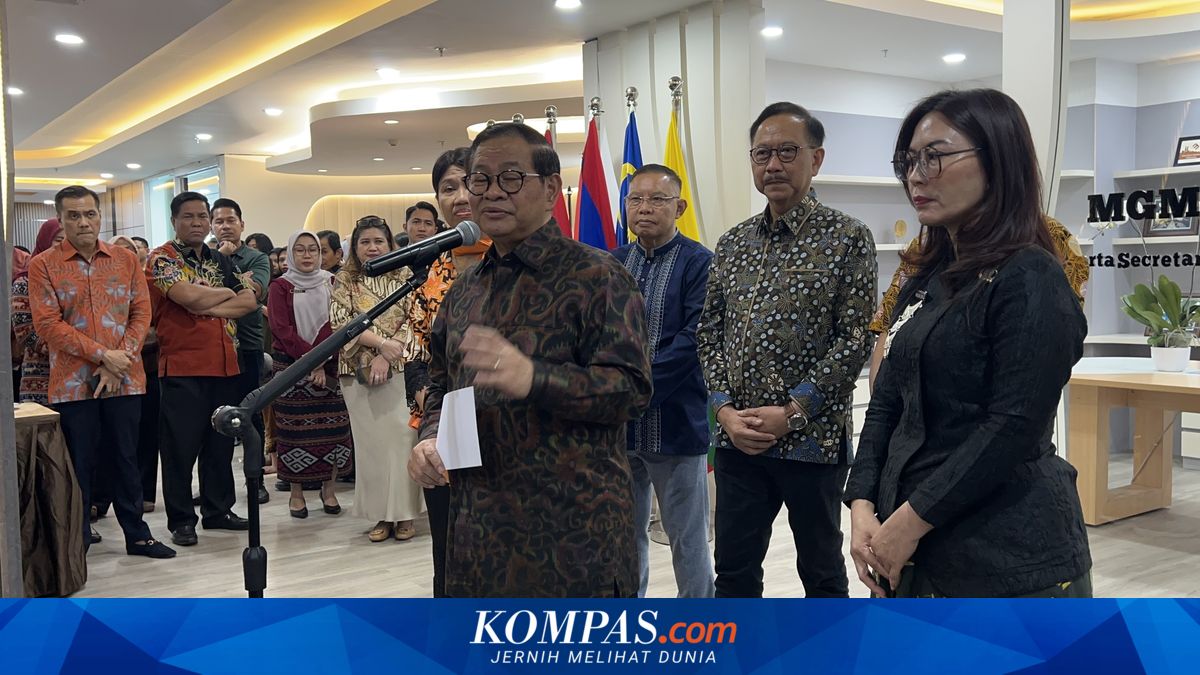
JAKARTA — Jakarta Governor Pramono Anung has signed approvals for the construction of Waste-to-Energy (PLTSa) power plants at two locations: Bantargebang and Tunjungan. The project is targeted to provide a solution for waste management in the capital, where the volume continues to increase daily.
“I have officially signed the letter to the Minister of Agriculture, the Coordinating Minister for Agriculture, and the Minister of Environment and Forestry for two locations (PLTSa), namely in Bantargebang and Tunjungan,” said Pramono when met at Jakarta City Hall on Thursday (2/4/2026).
According to Pramono, both facilities will have significant capacity for waste processing.
“The two locations will have waste-to-energy power plants built with a capacity of between 3,000 and 4,000 tonnes per day,” he continued.
“The daily waste for the PLTSa feeder is approximately 7,000 tonnes. If there is another one around 10,000 tonnes, then Jakarta’s waste problem will be automatically resolved,” Pramono stated.
In addition to Bantargebang and Tunjungan, the DKI Provincial Government also plans to continue building a PLTSa in the Sunter area, North Jakarta.
Pramono mentioned that the PLTSa project receives regulatory support through Presidential Regulation (Perpres) No. 109 of 2025. Under this regulation, the selling price of electricity from PLTSa to PT Perusahaan Listrik Negara (PLN) is set at US$0.20 per kilowatt hour (kWh).
This scheme is considered capable of attracting investor interest in building PLTSa in various regions, including Jakarta.
Previously, the DKI Provincial Government had mapped several locations for PLTSa construction. In addition to Bantargebang and Sunter, another location is planned in West Jakarta.
Although it is a priority project, Pramono emphasised that the PLTSa construction will not be rushed. He assured that the entire process will run transparently and in accordance with legal provisions.
“Indeed, Jakarta has a special feature under Law No. 2 of 2024 that distinguishes it from other regions, so we are in that process. Because I also want transparency,” he added.