
To Frustrated Gold Owners, Price Forecasted to Break Through US$5,000 Again
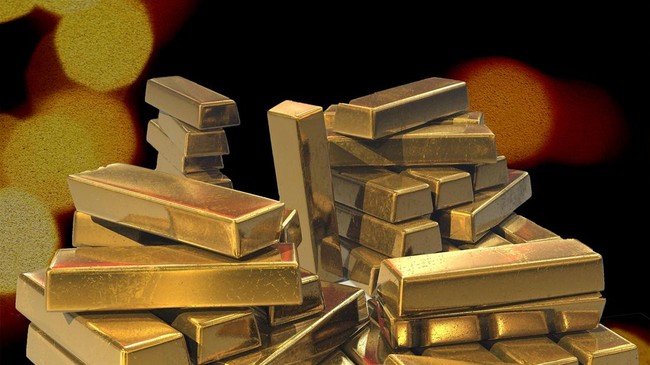
Gold and silver prices soared again as the US dollar weakened and the rally in risk assets faltered.
According to Refinitiv, gold prices closed at US$4,757.29 per troy ounce on Wednesday (1 April 2026), surging 1.88%. This increase extended the gold rally for a fourth consecutive day, with a cumulative gain of 8.6%.
Yesterday’s closing price also marked the highest level since 18 March 2026, or the highest in two weeks.
Gold prices continued to climb today. On Thursday (2 April 2026) at 06:21 WIB, gold was at US$4,796.83 per troy ounce, jumping 0.83%.
The gold surge was supported by the weakening US dollar. The dollar index fell for the second consecutive day. This made gold, which is priced in dollars, cheaper for holders of other currencies.
“Gold prices could rise back above US$5,000 per ounce if we head towards de-escalation, as expectations for interest rate cuts could re-emerge,” said Bob Haberkorn, an analyst at RJO Futures, to Reuters.
Gold prices had lingered around the US$5,000 level for quite some time in January 2026 before falling due to the war.
“The current focus is on Iran and the Strait of Hormuz and how this conflict develops, and what the direction will be going forward,” he added.
US President Donald Trump stated in a post on Truth Social that the Iranian president requested a ceasefire, but a spokesperson for Iran’s foreign ministry called the claim untrue and baseless.
“Ultimately, the conflict could be a double-edged sword for gold. On one side, lasting peace would eliminate the geopolitical safe-haven demand that has supported prices so far,” said Tony Sycamore, market analyst at IG.
On the other hand, lower oil prices and reduced inflation pressure could revive expectations for Federal Reserve rate cuts in 2026, thereby supporting gold prices.
Spot gold prices had fallen more than 11% in March due to rising energy prices from the Iran war, sparking inflation concerns and leading markets to scale back expectations for rate cuts.
Gold is typically viewed as a hedge during geopolitical turmoil and inflation, but high interest rates reduce the appeal of the non-yielding precious metal.