
To Avoid Logistics Cost Surge, Industry Requests Phased Implementation of Zero ODOL
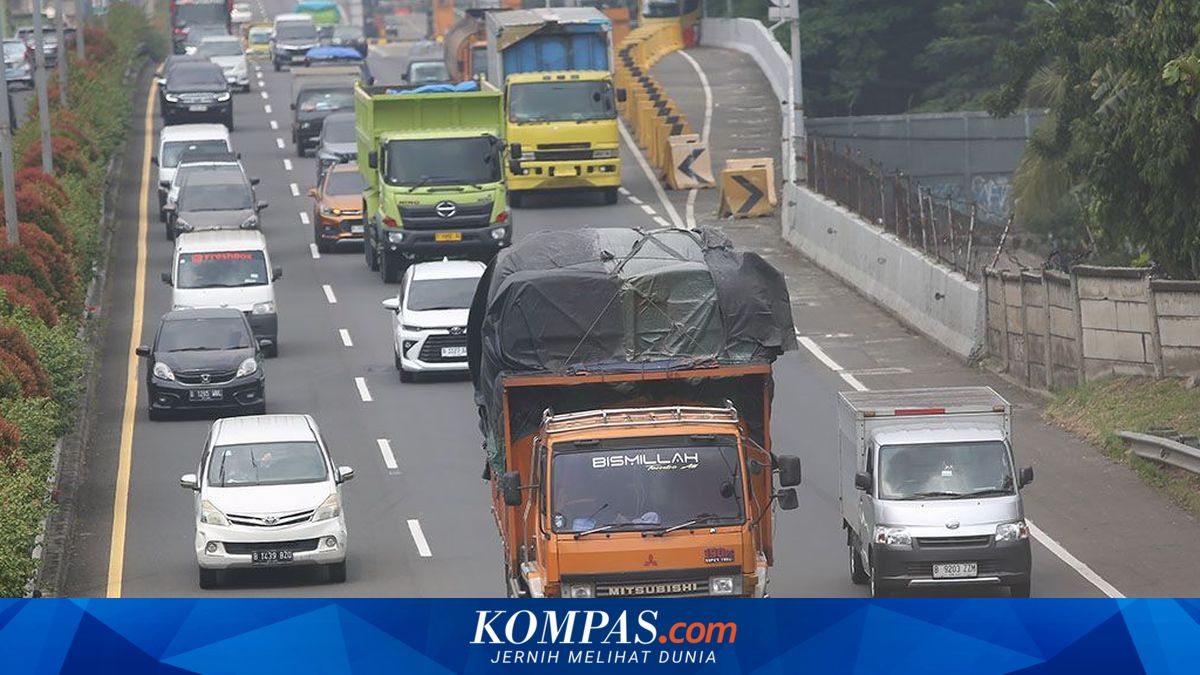
The government’s plan to implement the Zero Over Dimension Over Load (ODOL) policy in 2027 has received support from logistics industry players. However, its implementation is deemed necessary to be carried out carefully and gradually to avoid triggering a surge in national logistics costs. Yukki Nugrahawan Hanafi, Advisor to The Chartered Institute of Logistics and Transport, emphasised that the logistics sector fundamentally supports the policy, particularly from the perspective of transportation safety. “Logistics business players basically support the implementation of ODOL because it prioritises safety and security aspects in transportation,” Yukki told Kompas.com on Tuesday (14/4/2026). He added that the varying levels of readiness among business players in different regions must be a primary consideration for the government. “Business readiness is not uniform, so the approach cannot be one-size-fits-all,” he said. In addition to business readiness, infrastructure conditions are seen as a crucial factor in supporting the success of the Zero ODOL policy. “Infrastructure readiness, especially roads, still needs to be improved in terms of quality and capacity,” Yukki stated. According to him, road repairs, increased load-bearing capacity, and standardisation of road classes between regions need to be accelerated to ensure smooth logistics distribution. He also highlighted the high dependence of national logistics on road routes. “This is important to avoid congestion, goods accumulation, and delays that could instead drive up logistics costs,” he said. “Nearly 90 percent of national logistics movement still relies on road transportation, making this aspect highly strategic,” he added. To anticipate the impact of the ODOL policy, Yukki encouraged the government to accelerate the development of multimodal logistics systems. In addition, sea and air transportation are also seen as needing strengthening to support smooth distribution. “The utilisation of rail transport needs to be optimised as an alternative for distribution,” he said. “The role of Ro-Ro ships and air cargo also needs to be prepared to anticipate future increases in logistics demand,” he continued. Amid the existing challenges, the ODOL policy is also seen as opening opportunities for improvements in the national logistics ecosystem. Some of the innovations mentioned include optimisation of digital-based trip planning to load consolidation. “This policy can drive a shift to multimodal systems and increase operational innovations for business players,” Yukki explained. “This has the potential to improve fleet management, reduce accident risks, and lower maintenance costs due to overloading,” he concluded. Previously, the Director General of Land Transportation, Aan Suhanan, assured that his side is strengthening strategies for handling over-dimension and overloaded vehicles through enhanced supervision systems.