
To Avert Energy Crisis, Government Develops Mass Work From Home Option for Fuel Savings
The Indonesian government is seriously considering reintroducing Work From Home (WFH) policy as a principal strategy to reduce fuel oil consumption. This measure follows President Prabowo Subianto’s instruction to mitigate the impact of the global energy crisis.
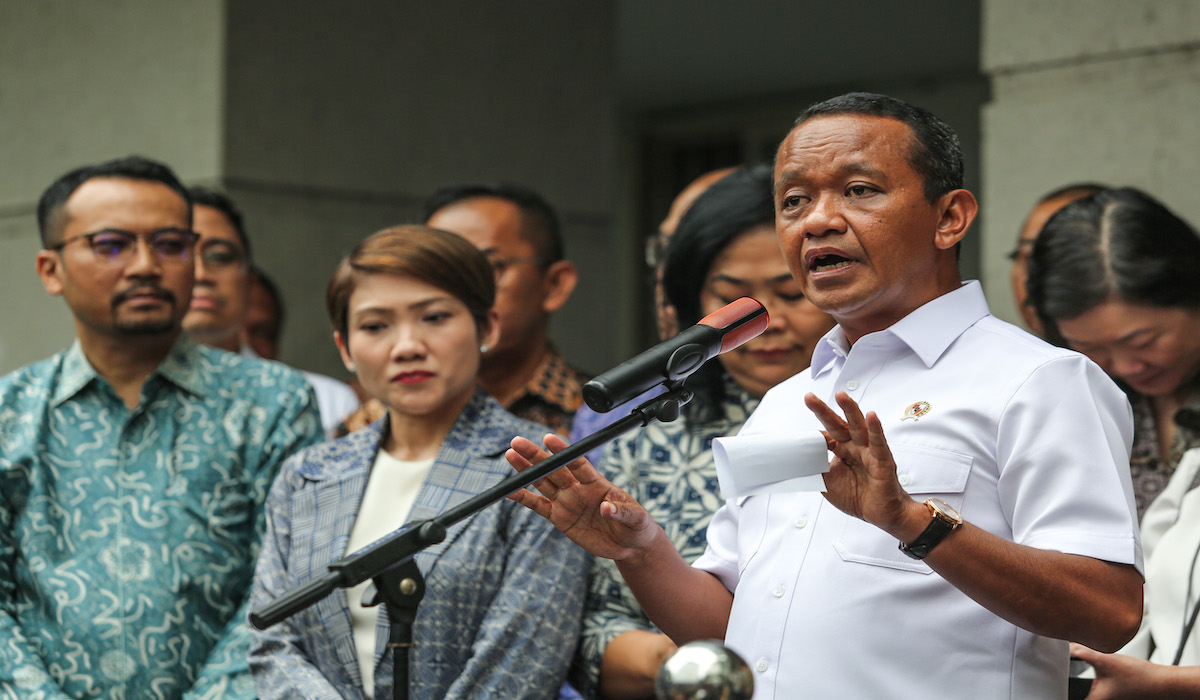
Energy and Mineral Resources Minister Bahlil Lahadalia revealed that the WFH proposal is now under intensive study. He stated that fuel oil consumption efficiency has become a priority amid geopolitical uncertainty, particularly the Middle East conflict threatening global energy supply routes.
“We are considering several measures and studying whether we need WFH. In my view, all possibilities can happen. What matters is savings on fuel,” Bahlil said at the Energy and Mineral Resources Ministry office in Jakarta on Tuesday (17 March).
Although extreme cost-saving options are being considered, Bahlil stressed that national energy resilience remains secure, particularly ahead of the Eid 2026 period. He guaranteed that fuel oil, liquefied petroleum gas (LPG), and coal supplies for state-owned utility PLN power plants remain controlled according to national minimum standards.
“Fuel oil, LPG, and electricity availability for Indonesia are all under control. LPG will receive additional supplies at the end of this month. Coal for PLN averages 14–15 days, in line with our national minimum standards,” he said.
This policy follows up on President Prabowo Subianto’s directive during a cabinet meeting the previous week. The President recalled Indonesia’s success in significantly reducing fuel consumption through remote working patterns during the COVID-19 pandemic.
Indonesia is now closely monitoring the situation at the Strait of Hormuz. Bahlil noted that the open and closed policy at this vital shipping lane provides breathing room for national energy supply stability, allowing non-affiliated vessels to continue transit.
Similar conservation measures have previously been implemented by neighbouring countries. Thailand has instructed its employees to work from home and restricted electricity use, whilst the Philippines introduced a four-day working week to maintain their energy resilience.
Governor Pramono Anung is prepared to implement WFH in Jakarta to save fuel in accordance with President Prabowo’s directive. President Prabowo views fuel consumption savings as necessary as part of efforts to manage global uncertainty.