
To avert a fuel crisis caused by war, Indonesia could ramp up this energy source
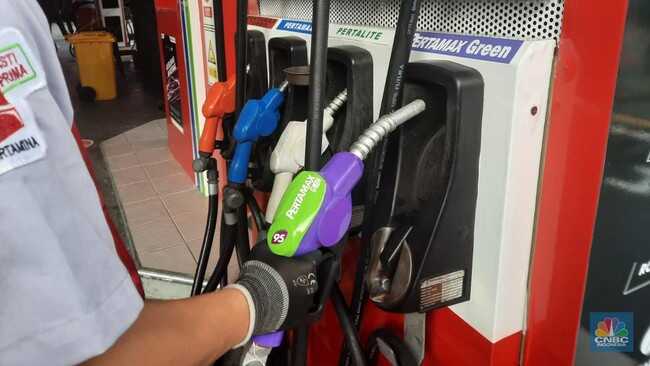
Jakarta, CNBC Indonesia - Executive Director of the Centre for Economic and Law Studies (CELIOS) Bhima Yudhistira urged the government to accelerate electrification in the transport sector and strengthen the energy transition. This is to respond to concerns about oil supply disruptions arising from geopolitical conflict.
According to him, the use of electric-powered public transport should be expanded across regions, such as operating electric buses for mass transit. On the other hand, the use of private vehicles powered by fossil fuels should be reduced gradually.
‘Public transport should use electric buses in all regions, private fuel-powered vehicles should be reduced. What matters is that public transport is affordable and comfortable; people will shift as well,’ Bhima told CNBC Indonesia, quoted on Friday (6/3/2026).
Beyond the transport sector, Bhima emphasised the importance of accelerating the utilisation of renewable energy in the national electricity system. Given that Indonesia has great potential to develop various clean energy sources.
‘Japan has households using solar panels with a total capacity of 100 GW. So Japan really has oil reserves for 254 days, but renewables are also substantial,’ he said.
Bhima explained that Indonesia’s energy reserves are currently relatively limited, so when tensions occur the impact can be felt directly in the domestic fuel supply. However, the plan to increase reserves from around 20 days to three months is not the main solution.
‘Indonesia’s energy reserves are vulnerable. That is why an oil crisis can trigger a shortage of fuel stocks. But the solution of increasing reserves from 20 days to 3 months is not a solution,’ he said.
In his view, increasing storage capacity would merely enlarge reserves, but would not solve the problem. After all, Indonesia would still be heavily dependent on oil imports.