
To Achieve 0% Extreme Poverty Target by 2026, Cak Imin Asks Kopdes to Become "Off-Taker"
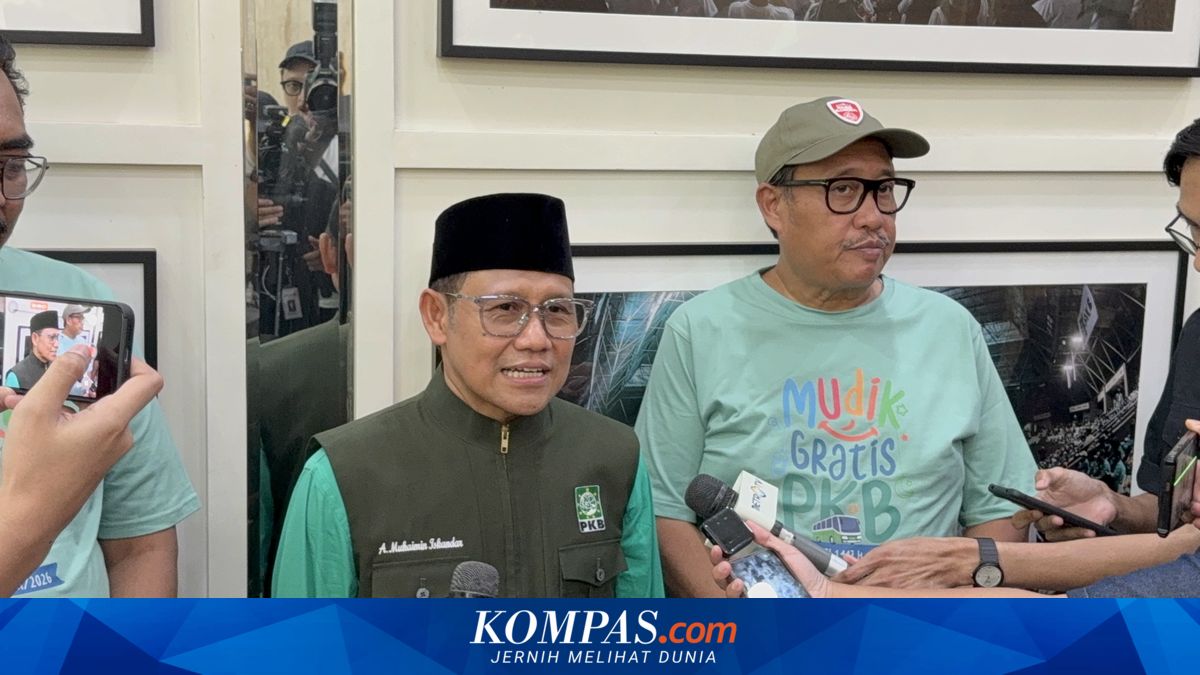
JAKARTA - Coordinating Minister for Community Empowerment, Muhaimin Iskandar, stated that the government is pursuing the target of 0 per cent extreme poverty by 2026. To achieve this target, Cak Imin requested that the Merah Putih Village and Sub-district Cooperatives become off-takers or absorbers of local products from every village and sub-district in Indonesia. “We will continue to work as hard as possible so that cooperatives grow and move to become an economic force that can join together in addressing extreme poverty with a target of 0 per cent this year and a maximum of 5 per cent by 2029,” said Muhaimin, when met at the Ministry of Cooperatives office in South Jakarta on Monday (13/4/2026). Muhaimin explained that the government is currently working to accelerate the development of outlets or warehouses for Kopdes Merah Putih so that they can operate soon. He conveyed that Kopdes Merah Putih must be built on the foundation of cooperation and coordination of various tasks from institutions and ministries across the government. “We will continue to work so that more and more products emerge from villages and from anywhere, especially local products to fill the Merah Putih Village and Sub-district Cooperatives,” he said. Cak Imin, the familiar nickname for the Coordinating Minister for Community Empowerment, hopes that the Kopdes Merah Putih outlets will become a means for the growth and development of local productivity empowerment and community economy. “Cooperative institutions wherever they are must be ready to compete in a challenging and very promising market for us to fill amid global competition and deadlock. Thus, cooperatives have the opportunity to fill the national economic potential itself,” he added. In line with the Coordinating Minister for Community Empowerment, Cooperatives Minister Ferry Juliantono stated that every Kopdes plays an important role in community trade activities in villages. “As off-takers or instruments to absorb all the community’s product outputs in villages and sub-districts. Whether it is food crops, livestock, horticulture, fruits, vegetables, crafts, and so on,” said Ferry. “The hope is that they can buy goods at the village cooperatives which are essentially their own, and every year in every period they can receive additional Remaining Business Results (SHU),” Ferry stated.