
TNI Uncovers Cannabis Fields Suspected to Belong to KKB in Papua
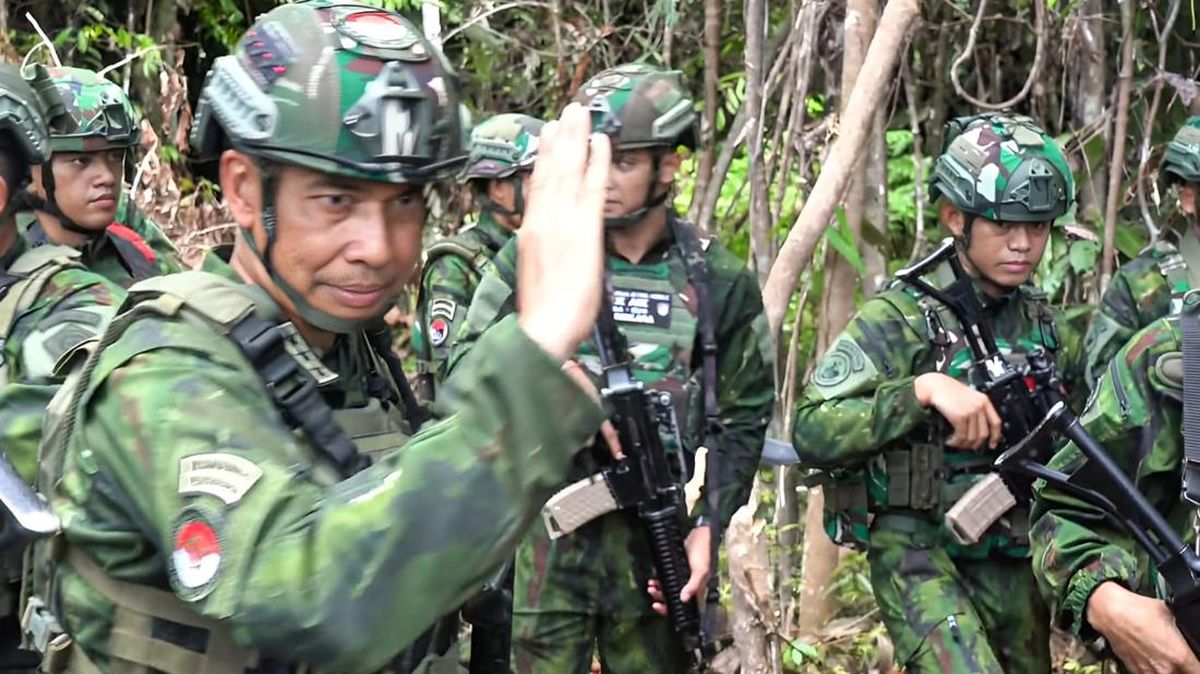
Commander of the Joint Regional Defence Command (Pangkogabwilhan) III, Lieutenant General TNI Lucky Avianto, along with TNI task forces, dismantled two ready-to-harvest cannabis fields in Pegunungan Bintang Regency, Papua Pegunungan Province, suspected to belong to the Armed Criminal Group (KKB).
Lucky stated that the discovery stemmed from reports by residents of Ngutok Village, Oksibil District, who suspected illegal activities in the forest area near their settlement.
At the first location, 55 cannabis plants measuring 1.5 metres in height, ready for harvest, were found. Venturing further into the forest around Ngutok Village, the troops discovered another 80 cannabis plants.
Further ahead, the TNI task force found a second field in Esipding Village, Serambakon District, containing 81 cannabis plants measuring 2 metres in height.
“The T0 task force secured suspects with initials L-U and C-U, who were brought along with 216 cannabis plants as evidence to the nearest police station to expedite legal proceedings,” Lucky said in a written statement on Thursday (7/5).
Lucky believes this finding is only a small part. There are strong indications that similar cannabis fields, cultivated by ‘wards’ or planted directly by KKB/TPNPB-OPM members, are widespread in the interior of Papua.
“It is truly heartbreaking and ironic. While Papuan mothers struggle to protect their children from drugs in their birthplace, the KKB/TPNPB-OPM are planting poison in the same land. I emphasise that this is not merely a legal violation; it is a betrayal of humanitarian values,” he said.
Moreover, the Kopassus General also addressed the KKB/TPNPB-OPM spokesperson, Sebby Sambom, who has openly justified his group’s cultivation of cannabis in Papuan soil.
“Such calls and actions not only violate the law but also threaten the social life and future of Papuan children,” Lucky stressed.