
TNI Plans 750 Territorial Battalions by 2029 to Strengthen National Security
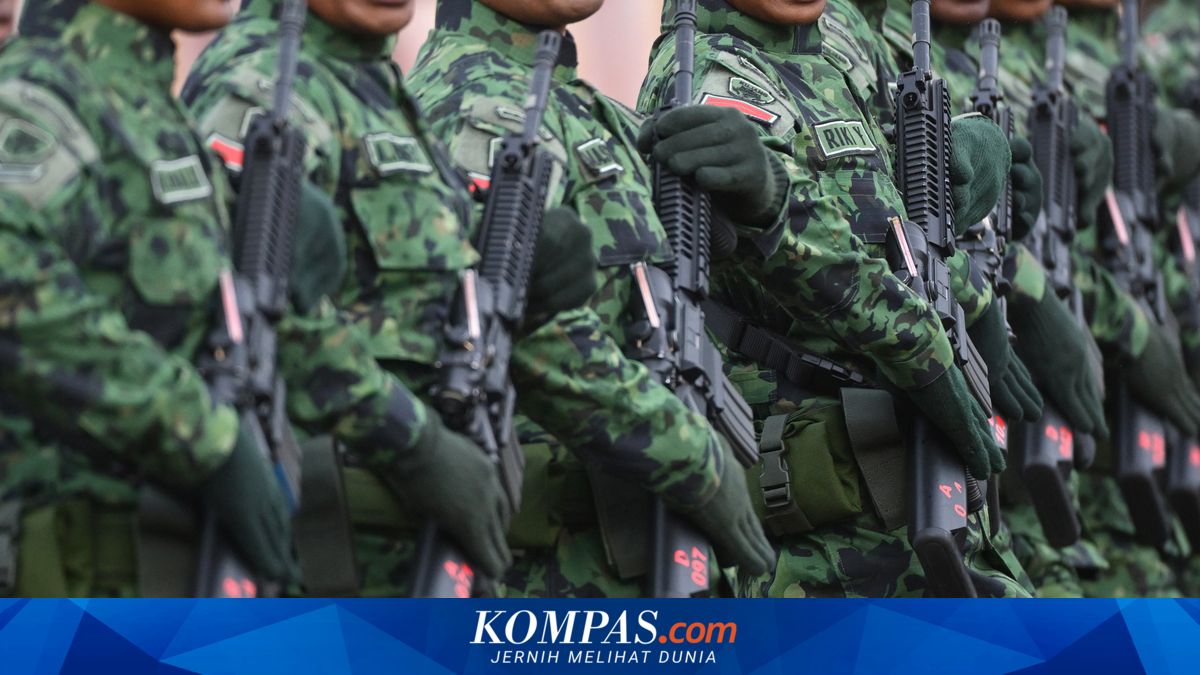
JAKARTA, KOMPAS.com - Indonesian National Armed Forces (TNI) aims to establish 750 units at the regency/city level across Indonesia by 2029.
The programme is part of implementing the Optimum Essential Force (OEF) outlined in the National Medium-Term Development Plan (RPJMN) 2025-2029 to achieve an adaptive and modern national defence posture.
The units include Territorial Development Battalions (Yon TP), combat support units, and administrative support units.
Of the total target, 593 will be Yon TP, with the remaining 157 comprising combat and administrative support units.
The Ministry of Defence aims to build 150 Yon TP annually.
“And the plan is to construct 150 Territorial Development Battalions each year,” said Brigadier General Rico Ricardo Sirait, Head of the Defence Ministry’s Information Bureau, during an interview at the Ministry of Defence in Jakarta on Friday, 24 April 2026.
Defence Minister Sjafrie Sjamsoeddin stated that the formation of 750 new battalions is intended to strengthen the state’s presence in regions, including reducing crime.
According to Sjafrie, many regencies did not have TNI units before the Territorial Development Battalions were established.
“What happened? Banditry and crime were rampant,” Sjafrie said during a meeting of Commission I of the People’s Representative Council (DPR) in Senayan, Jakarta, on Tuesday, 19 May 2026.
He claimed that after TNI deployed battalions and established bases in certain areas, crime rates dropped by over 50 per cent.
“Reinvigorating community security systems, such as siskamling, which had declined, has been linked to reduced crime,” he added.
Sjafrie noted that Indonesia has 514 regencies/cities with a population of 287 million and shares borders with 11 countries.
However, he stated that the construction of 750 battalions is not to anticipate attacks from neighbouring countries but to safeguard national sovereignty.
“We aim to protect our national sovereignty. We are building our capabilities to safeguard this. Ultimately, they will understand,” Sjafrie said.