
TNI Alert Level 1: Between State Preparedness and Public Concern
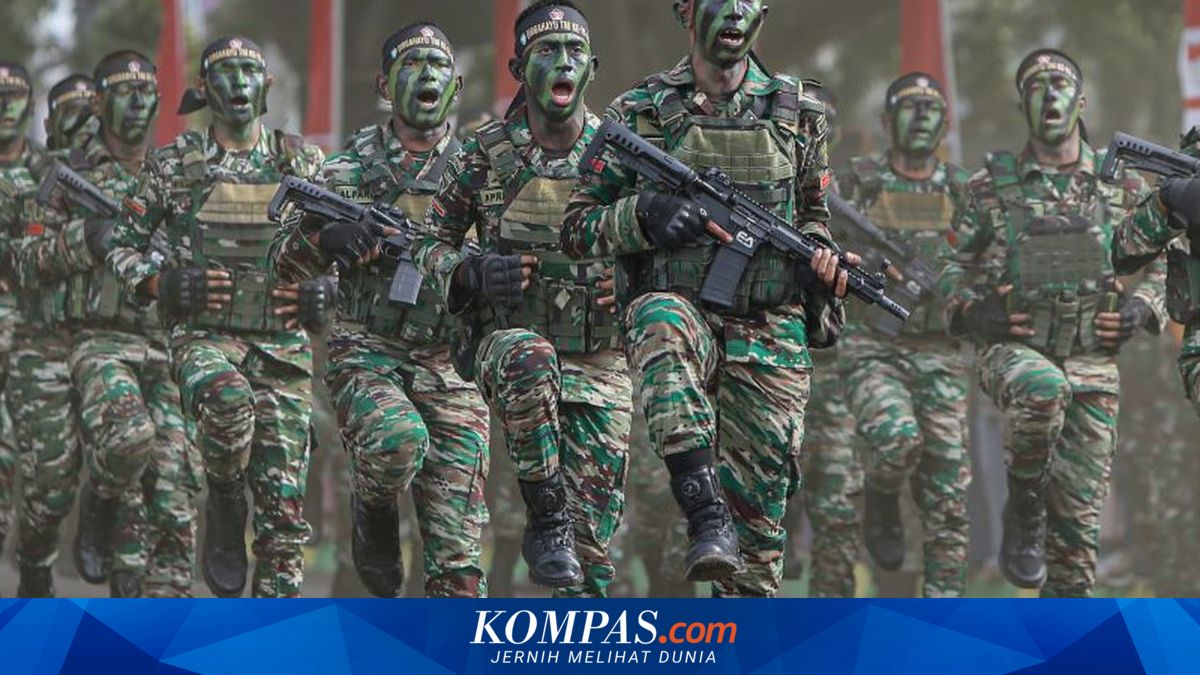
JAKARTA — The Commander of the Indonesian National Armed Forces (TNI), General Agus Subiyanto, has issued a Level 1 alert order for all units of the Indonesian armed forces as a precautionary measure in response to developments in the global situation, particularly the escalation of conflict in the Middle East region.
The order is outlined in the TNI Commander’s Telegram No. TR/283/2026, signed by the TNI Commander’s Operations Assistant, Lieutenant General Bobby Rinal Makmun, on 1 March 2026.
The telegram states that all TNI units must increase their operational readiness in line with the escalating dynamics of international conflict and the potential impact on Indonesia’s domestic security situation.
The Level 1 alert status has been in effect since 1 March 2026 until a time yet to be determined.
“Despite the absence of any critical domestic situation, consolidation remains necessary,” said Anton to Kompas.com on Monday (9 March 2026).
Anton also held the view that the establishment of this status represents a preventive measure to ensure the TNI does not lag in responding to developments in the situation.
This measure is considered important because security dynamics are evolving very rapidly and can have impacts reaching into the domestic sphere.
Such conditions can occur due to disruptions in supply chains and surges in global oil prices. Consequently, the prices of fuel and various commodities within the country have the potential to rise, thereby affecting domestic stability.
Moreover, Indonesia also experienced fairly significant domestic security dynamics in mid-2025.
According to him, this Level 1 alert status serves as an affirmation of the TNI’s readiness should an emergency situation arise.
“The establishment of Level 1 alert status, accompanied by a special roll call in the Monas area, also aims to convey the message that the TNI is prepared to face emergency situations,” he stated.
Anton noted that whilst conflict is currently raging in the Middle East, the potential for the conflict to expand into Southeast Asia and East Asia still needs to be anticipated.