
TKA Must Serve as a Tool for Improving Quality, Not a New Burden for Students
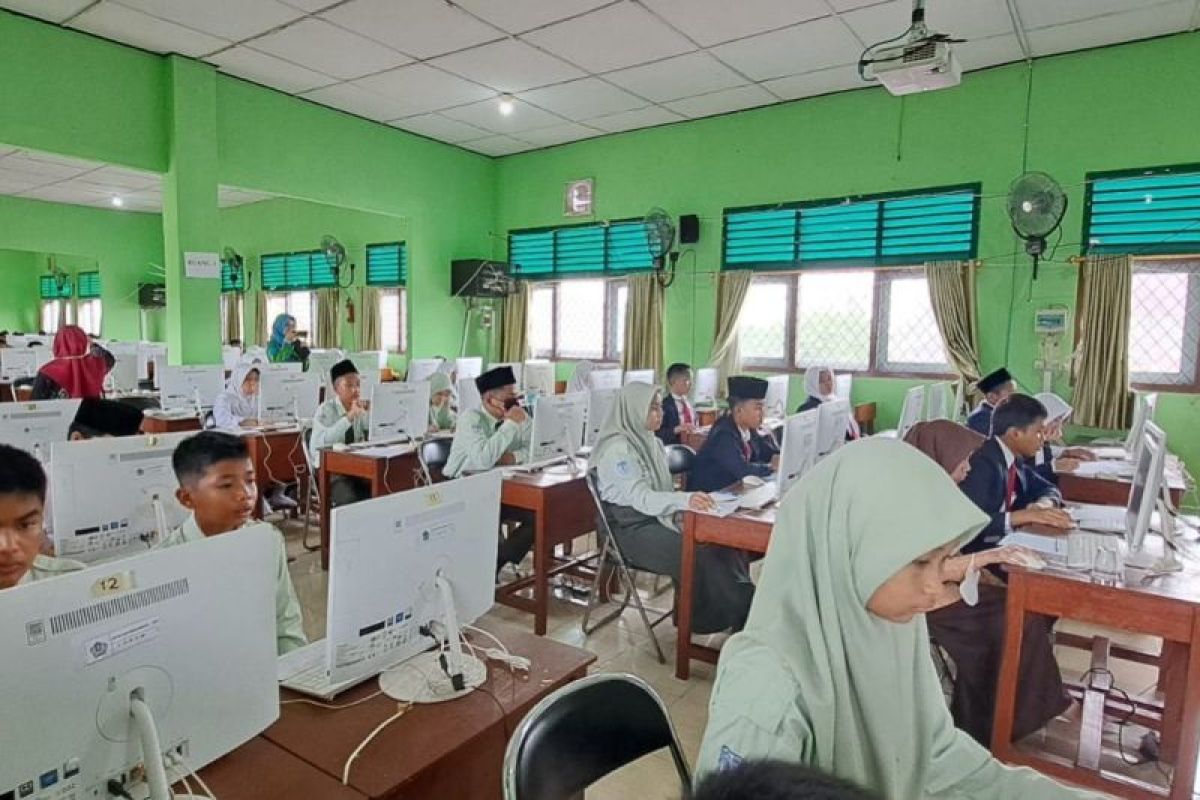
The government, through the Ministry of Basic and Secondary Education (Kemendikdasmen), officially conducted the Academic Ability Test (TKA) for the junior high school level across Indonesia today, Monday (6/5). In response, National Coordinator of the Indonesian Education Monitoring Network (JPPI), Ubaid Matraji, stated that the most fundamental aspect of the TKA implementation is honesty.
“I emphasise that the most fundamental aspect of the TKA is honesty and integrity in its execution. The TKA should not be viewed merely as a routine exam but must truly reflect students’ real abilities,” he told Media Indonesia on Monday (6/4).
Furthermore, Ubaid views the TKA as a tool for mapping educational quality. This means the test results represent a portrait of the current state of education in Indonesia, which must be addressed with appropriate policies.
“JPPI hopes that the TKA results will be followed up with more concrete policy interventions, rather than just becoming numerical scores that ‘punish’ students. Our children should not be unable to proceed to the next level or struggle to enter their chosen schools solely due to low TKA scores,” he stressed.
According to him, the TKA results at the junior high school level should serve as a basis for the government to conduct evaluations, identifying which schools need more assistance, which teachers require additional training, and which regions need strengthened educational facilities.
“Thus, the TKA is a tool for collective quality improvement, not a new burden for students’ futures,” Ubaid concluded.