
Tito Inspects Tunyang Village Temporary Housing, Praises Environmental Layout and Building Quality
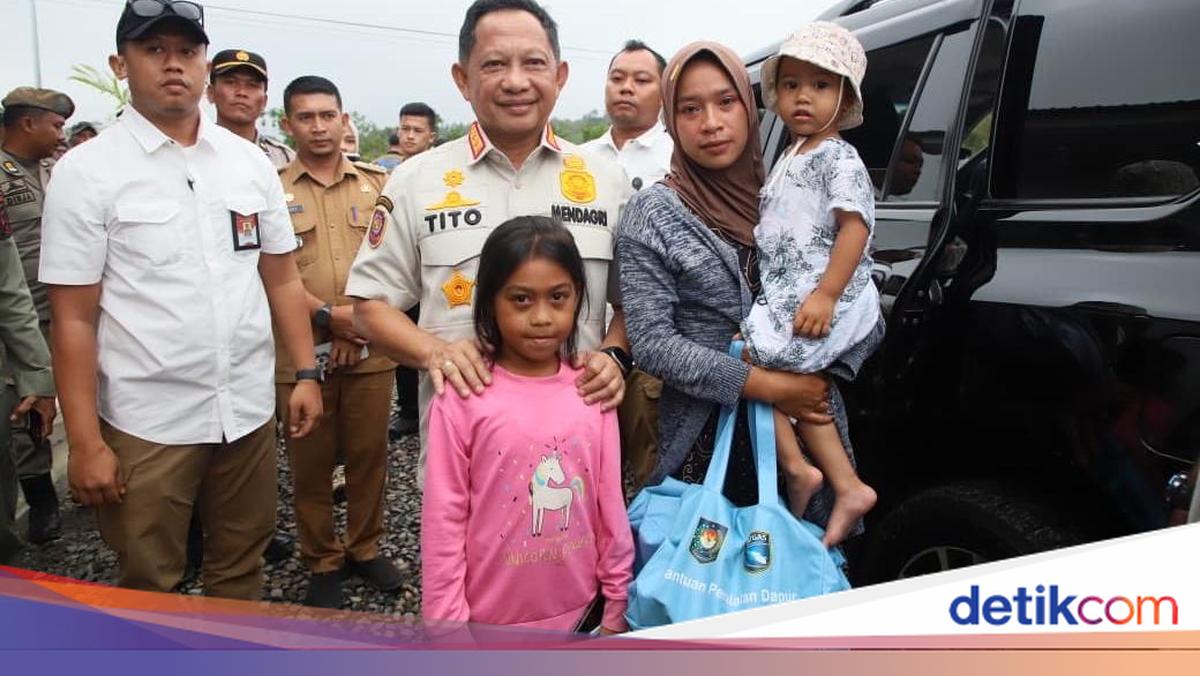
Head of the Task Force for Accelerating Rehabilitation and Reconstruction (PRR) Post-Disaster Sumatra, Muhammad Tito Karnavian, directly inspected the progress of temporary housing (huntara) in Tunyang Village, Timang Gajah Subdistrict, Bener Meriah Regency, Aceh, yesterday.
During his visit, Tito appreciated the acceleration of huntara construction, which has seen significant progress in just two months. He admitted to being surprised by the changed conditions at the site, which was previously an empty plot.
“I came here two months ago with the Regent and Deputy Governor; at that time, the location was still in the initial stage. Now it has changed completely. This is extraordinary,” Tito said in a written statement on Tuesday (21/4/2026).
Tito assessed that one key factor in the success of huntara construction is the availability of adequate land. He mentioned the support from the local government, particularly the Regent of Bener Meriah who provided flat land, which helped accelerate the construction.
“In many areas, finding flat land for huntara is very difficult due to hilly conditions. Here, the land is already prepared, so construction can be done quickly,” he added.
Currently, the huntara in Tunyang Village, Timang Gajah Subdistrict, Bener Meriah Regency, Aceh, serves as an example of decent housing layout for survivors. This huntara is not only built quickly but also meets comfort standards for its occupants.
Unlike huntara in other areas, the Tunyang huntara area is considered superior in terms of environmental layout. The relatively flat and rocky ground surface makes the housing area non-muddy, even during rain. Additionally, access roads within the area have been hardened, facilitating residents’ mobility.
“Such layout is important because huntara is not just temporary accommodation, but also a living space that must be decent,” Tito explained.
Tito added that the physical quality of the huntara buildings at the site also meets basic housing standards. Each unit is equipped with facilities supporting daily needs, while public facilities are built in an integrated manner within one area.
The availability of communal kitchens, toilets and bathrooms, gathering spaces, and places of worship shows that the huntara construction approach is no longer purely emergency-based, but is starting to move towards a humane and sustainable housing concept.
Moreover, the presence of open spaces such as children’s play areas and sports facilities further strengthens the social function of the area. This makes the huntara feel not cramped or limiting residents’ activities.
Tito stated that this huntara model can serve as a reference for huntara construction in other regions, especially in areas with challenging geographical conditions.
However, he emphasised that huntara remains temporary. Therefore, the government continues to push for the acceleration of permanent housing (huntap) construction so that the community can soon have permanent residences.
“We want to ensure that while in huntara, the community still lives in a decent place while waiting for huntap to be completed,” he concluded.