
Tips for Managing Holiday Bonuses to Stay Financially Secure After Eid
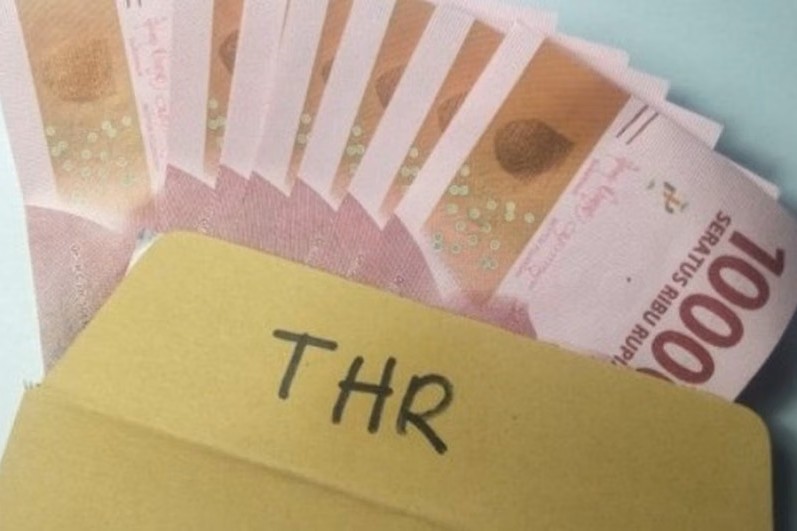
As Eid approaches, one of the most anticipated events for many Indonesians is the receipt of their annual holiday bonus, known as Tunjangan Hari Raya (THR). For countless individuals, the THR feels like a reward after a year of hard work. It is unsurprising that the urge to spend it immediately emerges forcefully, from purchasing new clothes, preparing Eid meals, to funding mudik (homecoming) travel. However, amidst this euphoria, one crucial aspect is often forgotten: life continues normally after Eid.
Managing the THR does not mean excessive self-restraint or extreme frugality. What matters most is maintaining balance between enjoying the Eid moment and preserving one’s financial condition thereafter.
Spending on Eid necessities is certainly reasonable, as this celebration occurs only once yearly. However, when nearly everything seems important to purchase, it is worthwhile to pause and ask: is this truly a necessity, or merely a passing desire?
In the social media era, celebration standards often feel increasingly elevated. From aesthetically pleasing gift hampers and matching family outfits to attractive home decorations, people unconsciously pursue trends that can drive spending beyond planned budgets. Yet the true essence of Eid lies not in luxury, but in togetherness and family warmth.
Vivin Arbianti Gautama, Chief Customer Marketing Officer of Prudential Syariah, suggests that the THR should be viewed as a blessing requiring clear management objectives. “The THR should be understood as a blessing entrusted to us. At minimum, four priorities should be considered: religious obligations such as zakat and charitable giving, Eid necessities, future needs through savings or investment, and family protection,” she stated in a press release received on Tuesday (10 March).
According to Vivin, financial planning is not merely about accumulating money, but also protecting what has been acquired. Should the household breadwinner suddenly become unable to work, family savings can quickly become depleted. Therefore, a portion of the THR should be allocated towards financial protection.
She also recommends a simple approach to managing THR through the 50-30-20 formula. This scheme is flexible and can be adjusted according to each family’s circumstances. The core principle is to enjoy the present moment without overlooking future financial security. Additionally, the THR period can serve as an opportunity to evaluate one’s financial condition. After several months of regular expenses, the Eid period can be utilised to strengthen savings or emergency funds.
For some individuals, setting aside the THR for investment is becoming increasingly common. This need not involve large sums, but should be done consistently as a step towards building long-term assets. Eid is also synonymous with giving. Setting aside a portion of the THR for zakat and charity not only fulfils an obligation but also adds deeper meaning to the celebration.
Ultimately, managing the THR is not about how much money is spent, but rather how to use it wisely without compromising financial stability after Eid.