
Tips for Businesses to Stay Safe from Cyber Attacks Amid 2026 Turmoil
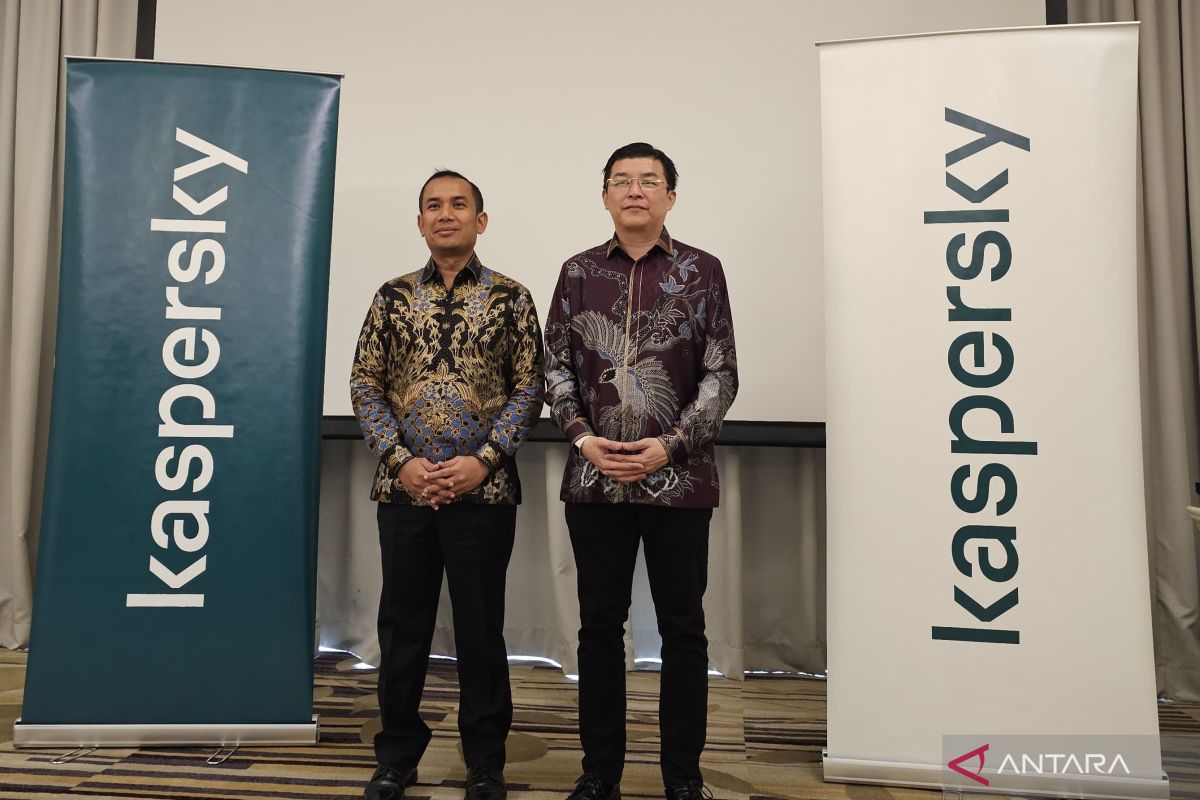
Jakarta (ANTARA) - Cybersecurity firm Kaspersky has shared tips for business owners to remain secure from cyber attacks in 2026, particularly in the face of the ongoing global geopolitical turmoil. One key recommendation from the company is to prepare a cybersecurity budget equivalent to the desired business growth targets. “If you aim for a 20% business increase, please ensure that every one of your business customers receives a 20% uplift in cybersecurity,” said Kaspersky’s APAC Managing Director, Adrian Hia, at an event in Jakarta on Wednesday. This situation is also driven by the use of artificial intelligence (AI), which makes cyber attacks easier to execute. “In the past, one person created one virus; now they ask AI to help create 10,000 viruses,” Adrian explained. Adrian emphasised prioritising cybersecurity budgets because many businesses worry about cyber threats but often fail to allocate sufficient funds. Based on Kaspersky’s 2023 data, there were 370,000 new malware detections daily, rising to 500,000 per day two years later. Kaspersky recorded 14,909,665 cyber attacks on Indonesia in 2025. Armed with this data, the company believes cyber attacks will intensify in 2026, compounded by geopolitical pressures and rapid AI technological developments. SOC, as explained by Defi, is a centralised command centre that monitors, detects, analyses, and responds to cybersecurity incidents affecting an organisation’s networks and systems. Implementing an SOC can enhance a business’s reputation amid the growing complexity of cyber threats. According to Kaspersky’s internal research in 2025, building an SOC independently takes considerable time—at least 6-12 months for a business to secure its cybersecurity. Additionally, Defi advised business owners not to rely excessively on a single type of technology for storing data in their operations. A wise combination of on-premise hardware storage and digital cloud storage should be employed. Furthermore, the use of technology from major countries must be considered to avoid over-reliance on one dominant source. According to Defi, this strategy aims to maintain resilience. “Users must not only have technological resilience but also geopolitical resilience,” said Defi.