
Timor-Leste experiences rapid impact following full ASEAN membership
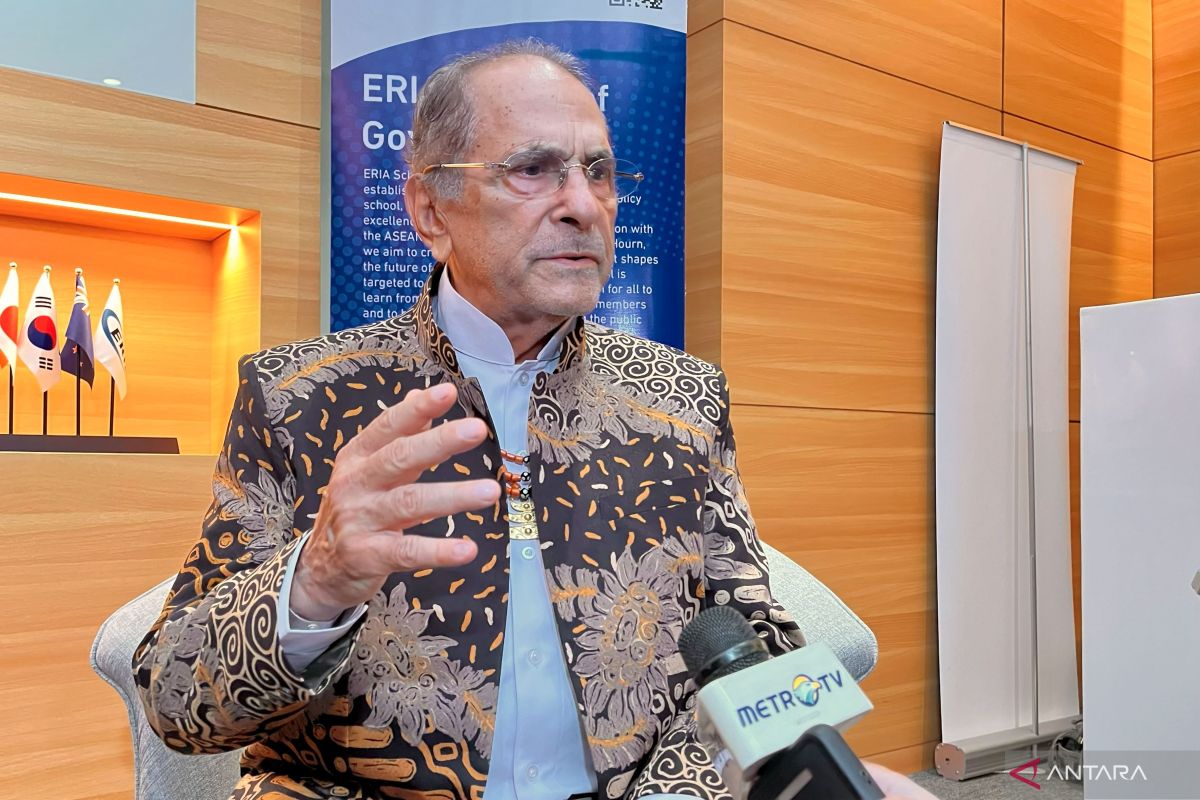
President of Timor-Leste, José Ramos-Horta, has stated that his country’s new status as a full member of ASEAN has brought benefits in a short period, including the acceleration of infrastructure development and investment.
“The infrastructure development we require, such as hotels and convention centres, has increased. There are also road widening projects and urban renewal initiatives,” said Ramos-Horta, responding to questions regarding the impact of ASEAN membership on Timor-Leste, on Tuesday.
Speaking after serving as a speaker at the “Leadership Lecture” organised by the Economic Research Institute for ASEAN and East Asia (ERIA) in Jakarta, he noted that this growth is further driven by Timor-Leste’s readiness to assume the ASEAN rotating chairmanship in 2029. However, he emphasised that this accelerated development is not solely intended to prepare Timor-Leste to host future ASEAN Summits, but also to improve public facilities for its citizens.
Ramos-Horta added that joining ASEAN has also boosted national economic progress and investment, which has been able to enhance the quality of life for the population in a short timeframe. He expressed optimism that as Timor-Leste prepares for its chairmanship, more investors will commit capital to the country. “Timor-Leste is being ‘driven’ to accelerate development across various sectors,” he added.
Furthermore, Ramos-Horta acknowledged that Timor-Leste still needs to undertake adjustments and adaptations to its national legislation to ensure alignment with ASEAN treaties and principles. This process is targeted for completion before 2029.
Regarding the focus areas for Timor-Leste as an ASEAN member, the President stated that his administration aims to promote conflict prevention efforts at both the regional and member-state levels. He noted that the diversity of ethnicities, religions, and economic disparities among Southeast Asian populations can often serve as a