
Thuggery and Extortion Threaten Indonesia's Investment Climate
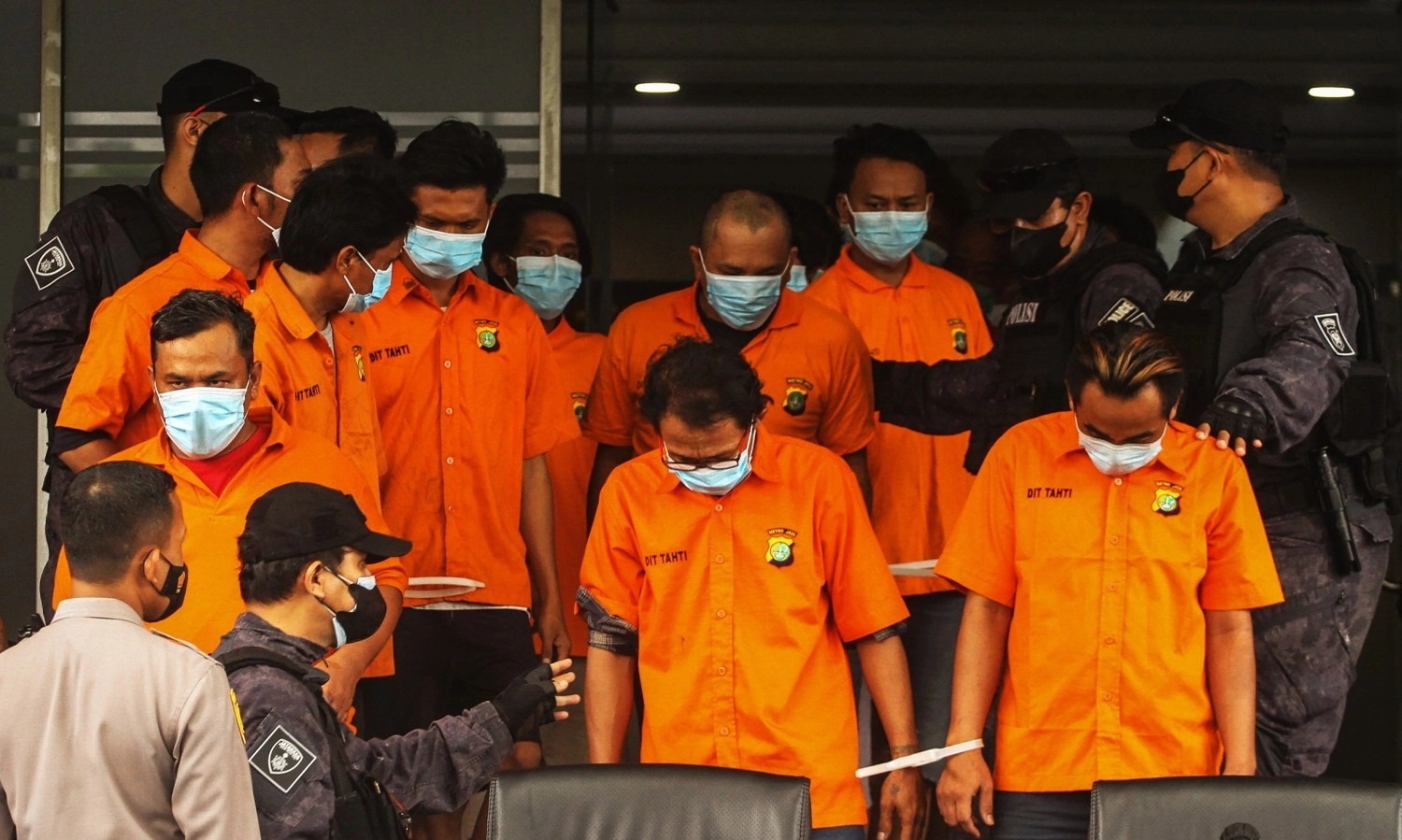
JAKARTA - During a recent visit to Shenzhen at the invitation of the Chinese Government, Deputy Chairman of the People’s Consultative Assembly (MPR) Eddy Soeparno received complaints from local investors. They raised concerns about thuggery disrupting Chinese electric vehicle manufacturer BYD (Build Your Dreams) at the Subang Smartpolitan industrial estate in West Java.
BYD is estimated to be investing a considerable sum — up to Rp11.7 trillion — to commence operations in 2026. This investment could not only create thousands of new jobs but also enhance technology transfer and expertise in EV manufacturing. It would drive growth in EV supporting industries and open new opportunities for local companies to participate in the global EV supply chain.
“The government needs to act firmly on this issue. We cannot have investors coming to Indonesia and feeling they lack basic security guarantees — the most fundamental requirement for investment,” Eddy wrote on his Instagram account.
MPR Chairman Ahmad Muzani echoed these sentiments on a separate occasion, stressing that thuggery by mass organisations must be swiftly addressed as it can disrupt the investment climate. “Investment is a crucial instrument for development. Therefore, the investment climate must be continuously safeguarded, both through regulations and adequate supporting infrastructure,” Muzani said at the parliamentary complex in Senayan, Jakarta, on Friday (27/4).
Indonesian Employers’ Association (Apindo) Chairwoman Shinta Kamdani, representing the business community, noted that thuggery targeting investment projects in Indonesia is nothing new. “Investors need a conducive business climate. Security is one of the factors that influences investment,” Shinta said at the Ministry of Investment and Downstreaming/BKPM office in Jakarta on Wednesday (23/4).
Similarly, Deputy for Promotion at the Ministry of Investment and Downstreaming/BKPM, Nurul Ichwan, assessed that thuggery such as illegal levies can make investors uncomfortable. “Those who contribute to the high cost of the economy and investment in Indonesia simultaneously make life difficult for job seekers,” Nurul explained.
However, Regional Director V of the Ministry of Investment/BKPM, Ady Soegiharto, offered a different perspective. He argued that thuggery does not significantly impact new foreign investment plans in Indonesia, noting there have been no cases of prospective investors reviewing their plans due to thuggery. According to his records, thuggery primarily affects existing companies operating in the country. “There are many complaints about thuggery. But production processes continue and cases are swiftly handled by authorities,” Ady told Validnews on Thursday (24/4) in Jakarta.
From the Business Ready (B-Ready) score perspective, illegal levies and thuggery reportedly do not affect investment interest, as thuggery is not included as an indicator in Indonesia’s ease of doing business assessment. “The index score assessment focuses more on labour issues. Thuggery is not very significant,” Ady said.
In September 2024, the World Bank launched the Business Ready (B-Ready) report, an indicator measuring ease of doing business across various countries, replacing the Ease of Doing Business (EoDB) index due to data and results problems. B-Ready is claimed to be more reliable and comprehensive, focusing on business and investment climates across 60 countries with broader coverage and more transparent regulatory aspects. The report encompasses three main frameworks: regulatory framework, public services, and operational efficiency, along with ten pillar variables including business entry, business location, supporting services, labour, financial services, international trade, taxation, dispute resolution, competition, and insolvency.
Despite thuggery not being included as an indicator, Ady acknowledged it confuses foreign investors as such practices are rarely encountered in other countries. Common tactics include illegal levies disguised as security services, demands for holiday bonuses (THR), and placement of relatives as workers despite lacking adequate skills. Nevertheless, Ady suggested investors should begin understanding these local customs and work on improving communication whilst understanding local wisdom.
Senior researcher at CSIS’s Economics Department, Deni Friawan, observed improvements in the investment process over the past decade, including better permit processing and shorter licensing durations, albeit at a slow pace. However, he noted that easier business establishment licensing has not been matched by proper formal registration relating to business taxes and other requirements. “Thuggery also makes the economy burdensome,” Deni told Validnews on Friday (27/4) in Jakarta.
Ironically, Deni observed that the most disadvantaged parties are ordinary citizens and MSMEs, as large companies are less affected due to having strong security services and backing. The prevalence of illegal levies and thuggery increases high-cost economy conditions. Some businesses have been forced to close as their costs were consumed by illegal levies. When economic costs rise, selling prices increase, making businesses uncompetitive and ultimately abandoned by consumers.
Deni called for government seriousness in eradicating illegal levies and thuggery through regulations and law enforcement. He warned that the political will of both central and regional governments remains insufficient, and if left unchecked without firm rules and enforcement, it would only reduce employment opportunities and public purchasing power.
Ombudsman Chairman Mokhammad Najih confirmed that thuggery is not a new issue, with his commission frequently receiving such complaints. He has repeatedly submitted recommendations to the police and relevant ministries regarding the prevalence of thuggery in the business world. Business operators complain that their business permits seem powerless as they are constantly disrupted by thuggery from both civilians and officials, despite the implication that issuing permits should guarantee security from the government, particularly local governments.
“Every permit issued is already related to many matters, including environmental permits and communication with surrounding communities. Thuggery should not exist,” Najih told Validnews in Jakarta on Friday (27/4).
From existing complaints, Najih noted that the root cause is often a poor relationship between industry and local communities — for instance, corporate social responsibility (CSR) programmes that miss their targets and fail to reach the community, ending up benefiting only certain groups rather than the nearest communities around industrial areas.
Looking ahead, Najih recommended strengthening law enforcement as a matter of public order responsibility, for example through municipal police (Satpol PP) or the police force, to reprimand and take action against thuggery. He urged authorities not to hesitate in imposing firm sanctions on perpetrators, provided business operators have met all licensing standards.
“This disrupts the business world and violates public order. It will also contribute to illegal levies and corrupt behaviour in general,” Najih stressed.
Najih also urged business operators to reinforce their business legality as a basis for seeking protection from local and central government against thuggery. Additionally, he called on companies to improve communication with surrounding residents, for example by creating local employment opportunities, as this is often a source of friction. However, he acknowledged that this alone cannot eliminate thuggery, and therefore the government, as the primary actor, must play the leading role.