
Throughout 2025, Ajinomoto Reduces Plastic Usage by 1,736 Tonnes
Jakarta — Ajinomoto Indonesia Group has recorded a reduction in plastic usage of 1,736 tonnes throughout 2025 through various environmentally-friendly packaging innovations.
“This step is taken by the company to support the reduction of national plastic waste whilst strengthening sustainability efforts for society and the environment,” said Grant Senjaya, Head of Corporate Communication at PT Ajinomoto Indonesia, in an official statement on Thursday (12 March 2026).
The initiative is also based on World Bank projections, which estimate that Indonesia’s national plastic waste volume in 2025 could reach 9.9–12.4 million tonnes annually, or approximately 14 per cent of total waste generation.
Recognising the magnitude of this challenge, Ajinomoto has launched more environmentally-friendly programmes through the Ajinomoto Health Provider initiative, which aims to strengthen sustainable wellbeing for people and the planet through AminoScience.
One of the sustainability innovations introduced is AJI-NO-MOTO Paper Packaging, a MSG product packaging made from paper material capable of reducing plastic usage by up to 30 per cent.
For Masako products, the implementation of a “No Inner Plastic” initiative and reduction in packaging headers has successfully saved plastic usage by 8.4 per cent. Meanwhile, Sajiku packaging innovations using mono-material has increased plastic usage efficiency by 9.5 per cent per package.
Ajinomoto also collaborates with several waste banks, including Gunung Emas Waste Bank (East Jakarta), Bekasi Patriot Primary Waste Bank, and waste banks in Karawang, Mojokerto, and Surabaya.
“This collaboration is strengthened by support for 3R transfer stations in Karawang and Mojokerto to encourage waste management based on community empowerment,” he added.
From various community participation efforts, Ajinomoto managed 352 tonnes of waste throughout 2025. The presence of these facilities not only helps reduce environmental burden but also opens economic opportunities for communities through waste collection schemes.
Throughout the year, the educational programme reached 2,400 participants from communities, schools, and small business operators such as food stalls.
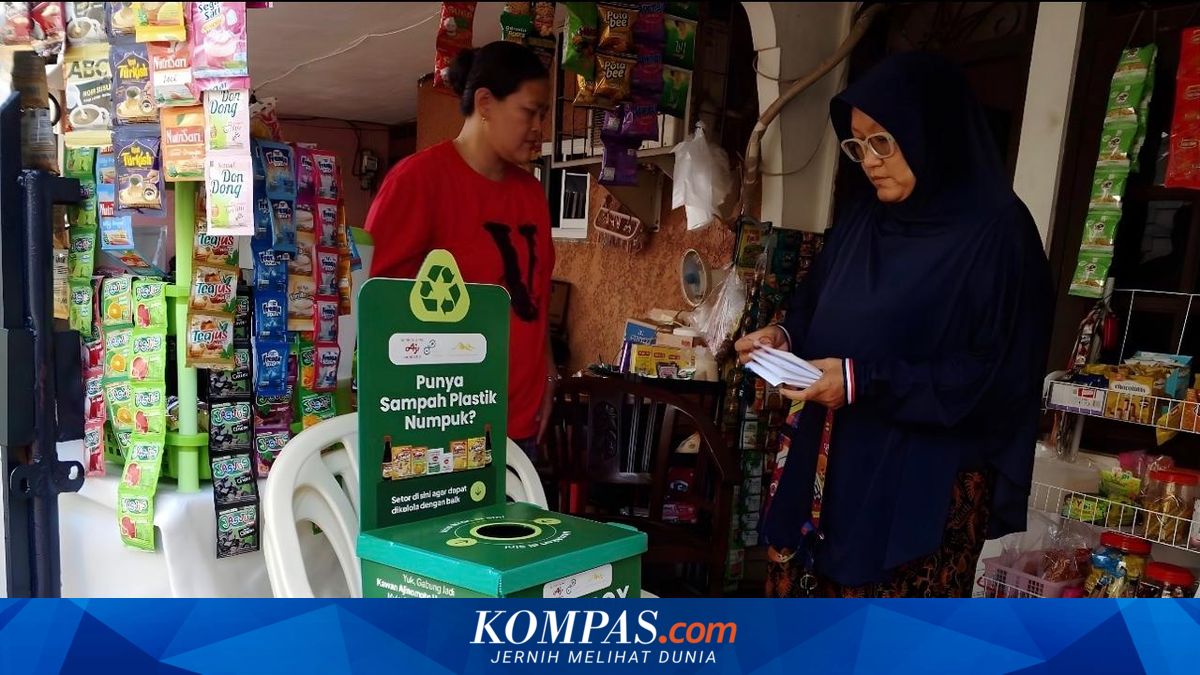
“We also provide drop boxes to make it easier for food stall partners, warung shops, and SMEs to deposit used Ajinomoto product packaging,” he continued.
“We continue to expand the impact of Ajinomoto Health Provider not only through education about balanced nutrition, but also through developing habits of more wise and responsible waste management,” said Grant Senjaya.
He hopes the green initiative can provide tangible impact for the environment whilst encouraging more parties to introduce innovations and sustainable collaborations.
“We hope this programme can contribute to realising a cleaner and healthier Indonesia, and inspire more people to participate in sustainability efforts,” he asserted.