
Through the Strait of Hormuz, Could It Cost Rp30 Billion? Here's the Fact
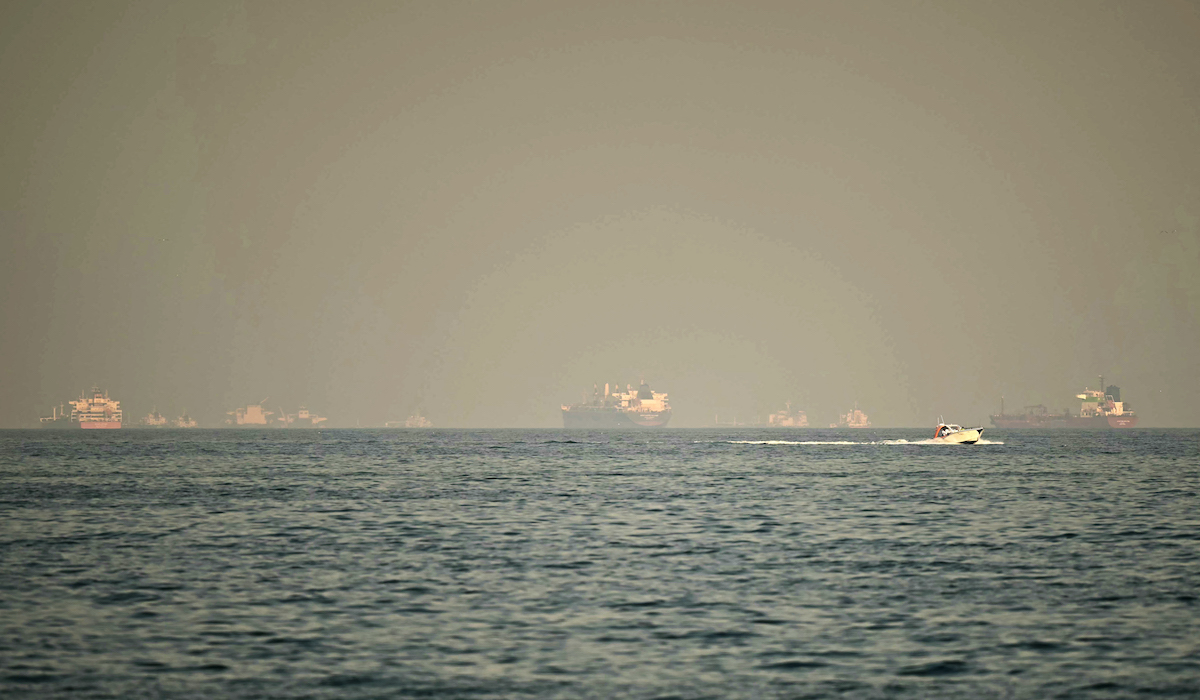
The Strait of Hormuz is once again in the global spotlight following reports of exorbitant fees that ships must pay to traverse this strategic route. The figure is staggering, reaching up to US$2 million or approximately Rp30-34 billion per ship.
This issue has immediately triggered global concerns, given that the Strait of Hormuz is one of the world’s most vital energy trade routes.
This cost increase not only affects shipping companies but also has the potential to shake global economic stability, including oil prices and international logistics costs.
The Strait of Hormuz is located between Iran and Oman, connecting the Persian Gulf to the Arabian Sea. This route is known as the ‘world’s energy lifeline’ because around 20-25% of global oil supplies pass through it daily.
Any disruption in the Strait of Hormuz almost always directly impacts the global energy market. Therefore, policies or cost changes in this area are a primary concern for major countries such as the United States, China, and nations in Asia, including Indonesia.
The latest Wall Street Journal report indicates that Iran is suspected of imposing very high transit fees on certain ships, particularly oil tankers and large commercial vessels.
If converted, the tariff reaches:
This figure is considered highly unreasonable in international shipping practices, as previously there were no such fees for open sea routes like the Strait of Hormuz.
There are several main factors suspected to be the cause of this exorbitant tariff:
Conflicts involving Iran with Western countries, including the United States and its allies, have made the region increasingly unstable. In such situations, the Strait of Hormuz becomes a strategic tool that can be used to economically pressure others.
There are not many alternative routes that can replace the Strait of Hormuz. If this route is disrupted, ships must take a much longer detour, which undoubtedly increases operational costs.
Iran is said to want to strengthen its claim of control over the area. By imposing fees, this could serve as a form of dominance as well as an additional source of revenue.
Although widely reported, it is important to note that this tariff policy has not yet been fully implemented officially and consistently.
Some reports mention:
This creates a grey area and causes uncertainty for global shipping industry players.
If this tariff is truly applied widely, the impacts could be very significant:
The substantial additional costs will be passed on to the distribution chain, potentially causing global crude oil prices to surge.
Shipping companies must bear extra costs, which could ultimately lead to price increases for goods in various sectors.
Energy cost increases often result in inflation, as nearly all industrial sectors depend on energy.
As a country that still imports oil, Indonesia will not escape the impacts of this situation.
Some potential impacts include:
In addition, Indonesia must also monitor energy supply stability to avoid disruptions if escalation occurs in the Strait of Hormuz.
Several countries are beginning to voice concerns about this potential policy. Many parties assess that:
Some countries are even starting to consider diplomatic steps and alternative strategies to reduce dependence on this route.
High tariffs in the Strait of Hormuz are not merely an economic issue but also concern global geopolitical stability. If the situation heats up further, it is not impossible that this route will experience serious disruptions with widespread impacts.
Analysts assess that the world is currently facing one of the most sensitive points in global energy trade.
The tariff for crossing the Strait of Hormuz, reaching up to Rp34 billion per ship, serves as a serious signal to the world. Although not yet fully official, this issue is enough to shake markets and trigger global concerns.
With the extremely vital role of the Strait of Hormuz, any policy changes in this area will have broad impacts, from oil prices to world economic stability.