
Through the Kanyaah Programme, PGE Kamojang Successfully Strengthens the Agricultural Sector
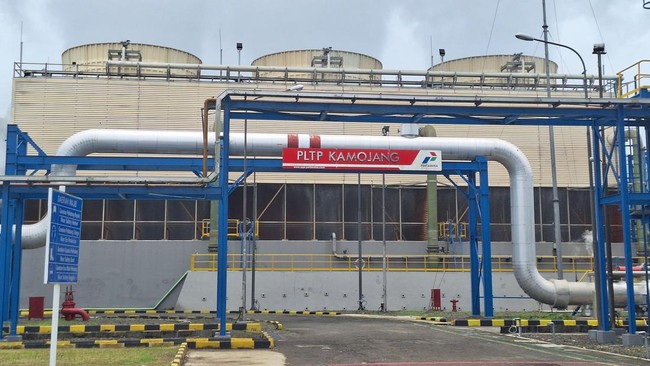
PT Pertamina Geothermal Energy Tbk (PGE Tbk) Kamojang area is implementing the Kamojang Agri-Aquaculture Energized by Geothermal for All’s Harmony (Kanyaah) programme as a corporate social innovation. The programme directly utilises unused geothermal steam to drive the circular economy for surrounding communities.
Geographically, the Kamojang region is located in the highlands with relatively low and fluctuating air temperatures. This condition poses a particular challenge for the community, especially in the agricultural and fisheries sectors, which heavily depend on environmental temperature stability.
In the fisheries sector, the cold water temperature slows fish metabolism, thereby hindering growth and reducing aquaculture productivity. Meanwhile, in the agricultural sector, conventional cultivation practices that are not yet standardised also affect the optimisation of production yields.
Additionally, limited access to quality and affordable fertilisers is an obstacle faced by farmers in maintaining soil fertility. This situation is exacerbated by the high potential for post-harvest losses (food loss), triggered by drying processes for agricultural products that still rely on weather conditions. In the Kamojang region, high humidity and unpredictable weather cause the drying process to be less optimal and risk reducing the quality of the harvest.
From these challenges, innovations are needed that can precisely address local needs. Utilising geothermal energy becomes a strategic solution to increase production efficiency, strengthen food security, and promote the development of a circular economy for communities around the operational area.
With an application area of 12.34 hectares, this innovation produces 193.8 tonnes of geO-fert fertiliser. It also impacts the utilisation of 230 tonnes of organic waste per year.
For geothermal agriculture or geothermal farming, PGE Kamojang integrates highland agriculture with GeO-Fert and planting media from non-hazardous waste in the form of filler and pipe casing covers to increase the market value of agricultural commodities such as vegetables and coffee plantations.
Geothermal farming produces 35,310 seedlings and 30 tonnes of harvest. Meanwhile, 20 tonnes of coffee are exported to Japan, Germany, and Africa.
The Kanyaah programme also runs Geothermal Foodies, an innovation in food processing with a Geothermal Dehydrator for faster drying of geothermal farming harvests. In its implementation, the Kanyaah programme provides fertiliser using geothermal methods.
Organic fertiliser from agricultural and domestic waste is dried with a Geothermal Dry Tube. This innovation reduces drying time to 12 hours from the previous 14 days and is 28 times faster than conventional drying.
This innovation provides drying time efficiency from 7 days to 5 hours or 34 times faster than conventional drying. Then, 1,085 kilograms of geofarm harvest experiencing post-harvest shrinkage are processed into various ready-to-eat products, and a total of 5,500 food products have been successfully marketed.
Finally, Geothermal Fishery involves aquaculture with a Geothermal Heater for optimal pond temperature warming, increasing fish weight and self-sufficient feed. This innovation increases fish weight by up to 330 grams or 65% per fish with a higher survival rate of 85-90% compared to conventional farming.
The Kanyaah programme reaches 2,111 vulnerable community members due to limited access to subsidised fertilisers, limited access to clean energy, limited post-harvest agricultural processing, and fisheries farming failures. They include 760 local farmers and unemployed youth, 1,130 indigenous people, elderly, and children, 45 groups of female farmers, and 158 indigenous fish farmers.
The programme also has environmental impacts by reducing annual emissions by 146,283 tCO2e, reducing organic waste by more than 232,424 tonnes per year, and reducing inorganic waste by 18.2 tonnes per year.
The Kanyaah programme has led PGE Kamojang area to receive the 2025 Company Performance Rating Programme (PROPER) award from the Ministry of Environment (KLH) with a Gold rating.
PGE Tbk President Director, Ahmad Yani, stated that the achievements of PGE Kamojang area demonstrate the sustainability of the entire company internally as well as collaboration with relevant stakeholders, such as the Ministry of Environment (KLH). In the 2025 PROPER event, PGE highlighted the major theme of energy independence, energy self-sufficiency, and food security.
“This is the basis of the circular economy that we launched in this PROPER programme, how to utilise geothermal energy for community empowerment. These are various integrated activities like in the Kamojang area, Kanyaah (Kamojang Agri-Aquaculture, Energized by Geothermal for All’s Harmony),” said Ahmad Yani to CNBC Indonesia on the sidelines of the PROPER Environmental Award event at Taman Mini Indonesia Indah (TMII), Jakarta, some time ago.
As information, the PROPER award has been held for three decades with the aim of encouraging company compliance with environmental regulations and governance. PROPER becomes a space to synergise with other compliance instruments. With such programmes, efforts to improve environmental quality can be carried out more efficiently and effectively.