
Three Years Without Greeting Relatives: The Social Wounds Behind the Batur Project Conflict
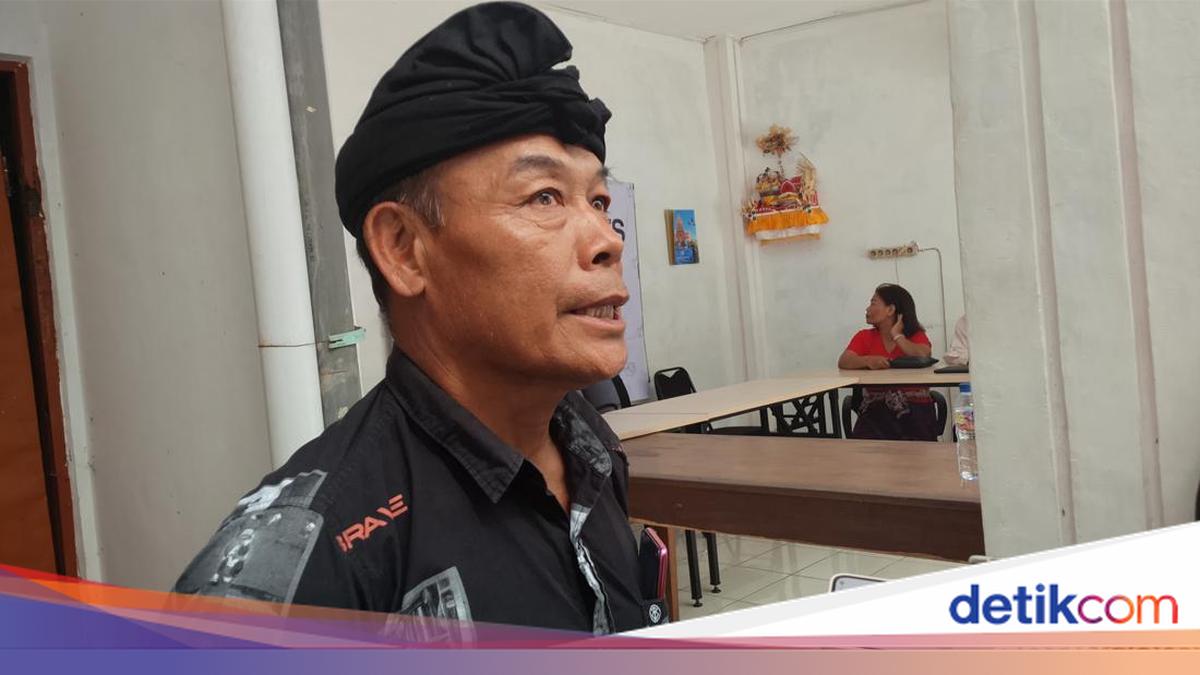
The conflict over the tourism project in the Batur area has not only triggered legal disputes but also torn apart family relationships. A farmer claims he has not spoken to his siblings for nearly three years due to differing stances on the project.
Jro Brata, a farmer in the Batur region, stated that the social conflict is the most painful impact he has felt since the project began.
“The most painful aspect is the social conflict. My siblings and I have not spoken for nearly three years. Some are in favour, others against (the tourism project there),” he said at LBH Bali on Wednesday (15/4/2026).
According to him, this division is the most worrying issue, particularly in Balinese society, which highly values togetherness and social harmony.
He also revealed that land ownership in the area varies. Some residents have certificates, while others do not, especially those within the Batur Geopark Natural Tourism Park (TWA) zone.
“Those outside the zone may have certificates, but those inside do not,” he said.
Nevertheless, residents feel a strong attachment to the area because they have managed it generationally. Since the 1980s, the community has actively planted trees to preserve the environment around Lake Batur.
“We are very dependent on the nature there. In the past, we participated in planting trees and maintaining the lake’s edges,” he said.
However, since the company’s activities began, the situation has started to change. He claims that residents’ farming activities are frequently disrupted, particularly by heavy equipment operations.
“Our water pipes are damaged, cables are cut. There were promises of compensation, but they have never been fulfilled,” he said.
As a result, farmers struggle to irrigate their crops, impacting harvest yields. On the other hand, residents also feel pressured while working in the fields.
“Irrigation is disrupted, yields are not optimal. We also feel intimidated,” he said.
Economic impacts are also felt. Declining agricultural output affects daily needs, including household expenses and children’s education.
In addition, residents highlight the lack of response from local government. He mentioned that the community appealed to the Bangli DPRD about three years ago, but there has been no clear follow-up to date.
“We have conveyed it to the DPR, but there has been no follow-up until now,” he said.
For the residents, this conflict is not merely about permits or the project, but concerns the sustainability of livelihoods, social relationships, and the future of generations in the Batur area.