
Three Waste-to-Energy Plants Proposed by Jakarta Provincial Government to Address Waste Crisis
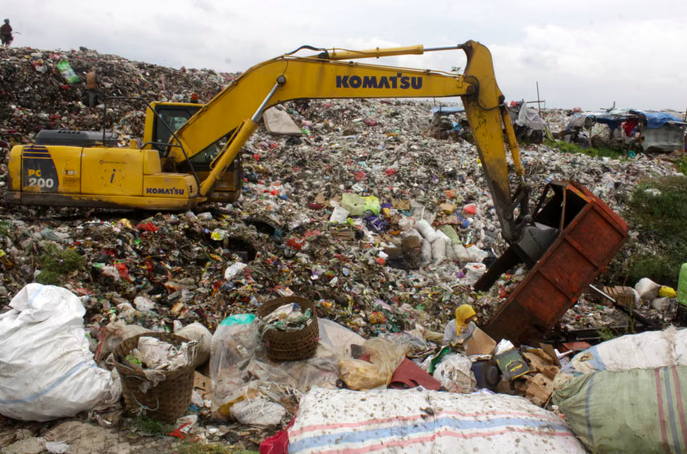
The Jakarta Provincial Government has formally proposed the construction of three Waste-to-Energy Plants (PLTSa) as a long-term solution to address the capital’s mounting waste burden.
Governor Pramono Anung announced that the waste treatment facilities will be strategically built at three locations. “Jakarta will formally propose three waste-to-energy plants. The first at Bantargebang, the second at Tunjungan (North Jakarta), and the third at Sunter,” Pramono stated in Central Jakarta on Thursday, 12 March.
He explained that each facility will possess substantial waste processing capacity to help reduce Jakarta’s reliance on the Bantargebang landfill. The Bantargebang PLTSa is designed to process approximately 3,000 tonnes of waste daily, comprising 2,000 tonnes of fresh waste and 1,000 tonnes of accumulated waste extracted from existing stockpiles.
The Tunjungan facility is projected to handle approximately 2,000 tonnes of waste daily, whilst the Sunter Integrated Transfer Facility (ITF) will process around 2,500 tonnes per day.
“Therefore, with these plants operational alongside Rorotan, approximately 6,500 to 7,000 tonnes of Jakarta’s daily waste will be accommodated,” Pramono noted.
The Governor is confident this project represents a crucial step in improving Jakarta’s waste management system for the long term. This proposal comes amid critical conditions at the Bantargebang landfill, which receives approximately 8,000 tonnes of waste daily. A recent landslide at Zone 4A of the landfill has not only crippled operations but also claimed lives, highlighting the urgent need for alternative waste processing solutions to prevent larger environmental disasters.