
Three stages of measles symptoms to be vigilant about
Jakarta — The head of the Indonesian Paediatric Association (IDAI) for West Java, Prof Dr. Anggraini Alam, Sp.A, Subsp.IPT (K), has outlined three critical stages of measles symptoms that require vigilance.
During an online media seminar held from Jakarta on Saturday, Prof Anggraini explained that the three stages of measles symptoms comprise the prodromal or initial stage, which begins with high fever accompanied by the characteristic “3C” symptoms: Coryza (nasal discharge), Cough and Conjunctivitis (red eyes).
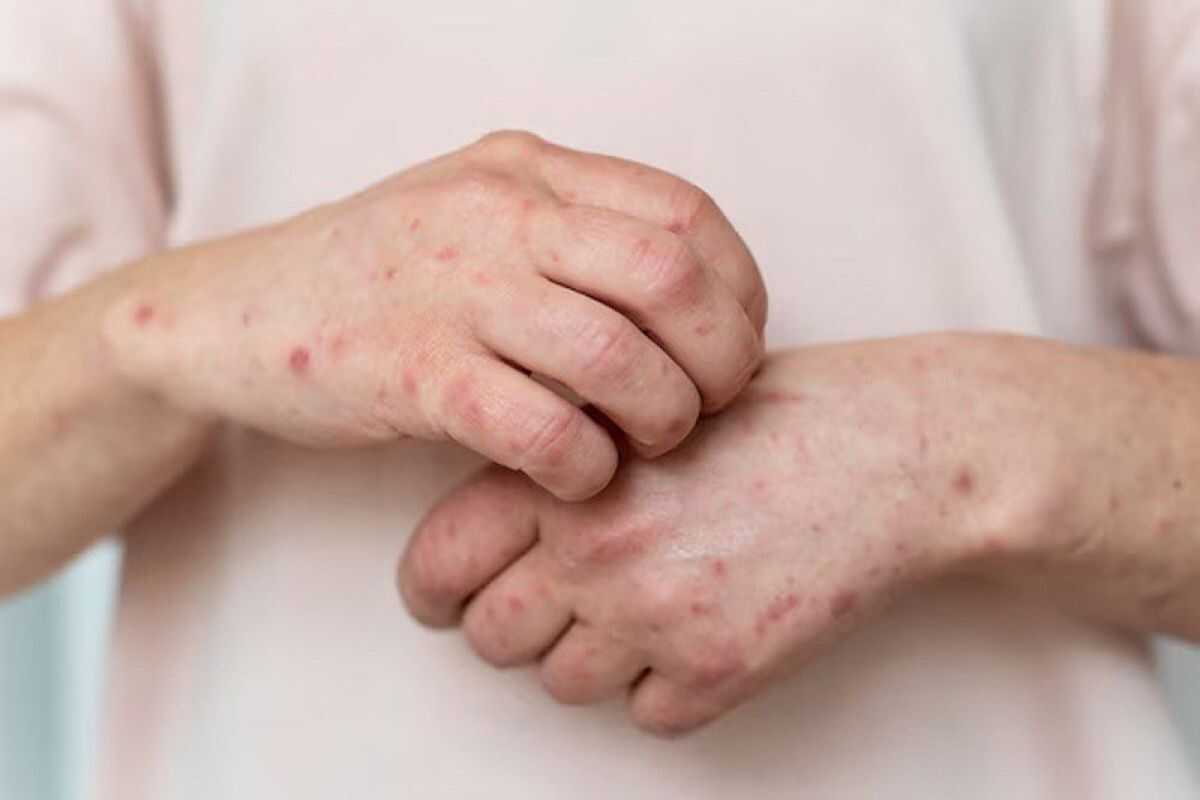
“Initially, the child becomes unwell with high fever and the distinctive 3C symptoms—coryza, conjunctivitis, cough—which last three to five days. The doctor will check for Koplik’s spots (small white spots appearing in the mouth) before the characteristic measles rash emerges,” Prof Anggraini stated.
“Measles is known as the ‘first disease’ because it is the only condition with a rash that typically begins on the skin near the hairline. We usually examine behind the ears, and then it spreads to the torso, followed by the arms and legs,” she explained.
The convalescent stage is characterised by the rash changing to a darker colour, drying and peeling with a scaly appearance.
She noted that the measles virus is transmitted through the air (airborne), not through direct contact. Transmission occurs through respiratory droplets from coughing, sneezing, and even talking. The virus can remain airborne for over two hours and settle on surfaces and surrounding dust. Additionally, humid environments, overcrowded conditions, and poor ventilation can increase measles transmission.
She explained that measles has an incubation period of up to three weeks—the period when the virus has entered the body but has not yet produced signs of illness. During this phase, infected individuals are unaware they are carrying the virus. Symptoms typically appear following exposure, characterised by fever followed by a rash.
“The rash lasts more than ten days, and only then can the child or working adult resume normal activities, otherwise they will transmit it to others. This is when the rash has dried and become scaly, at minimum darkened and dried, and it no longer transmits,” she explained.
For this reason, immunisation coverage must be high and widespread. If immunisation rates fall below the threshold, the risk of measles outbreaks increases.
“To prevent outbreaks, we need those around us to be protected by immunity against measles. A single measles vaccination is said to prevent measles in 84 to 93 per cent of cases,” she noted.
Prof Anggraini emphasised that the government has established a measles immunisation schedule administered three times. The first immunisation is given at nine months of age, the second at eighteen months, and the third when the child enters primary school year one.
Repeated measles immunisation uses a weakened virus vaccine, requiring proper dosage and timely administration to enable the body to develop high antibody levels.
“Ensure every infant receives complete immunisation before entering preschool; if doses are missed, catch up on them. A single case of measles can spread far and wide, so other immunisations should not be overlooked,” she said.