
Three intern doctors die, Ministry of Health to evaluate teaching hospitals and policies
Jakarta (ANTARA) - The Ministry of Health (Kemenkes) stated that it will investigate all teaching hospitals where intern doctors are placed and improve policies in response to the deaths of three intern doctors.
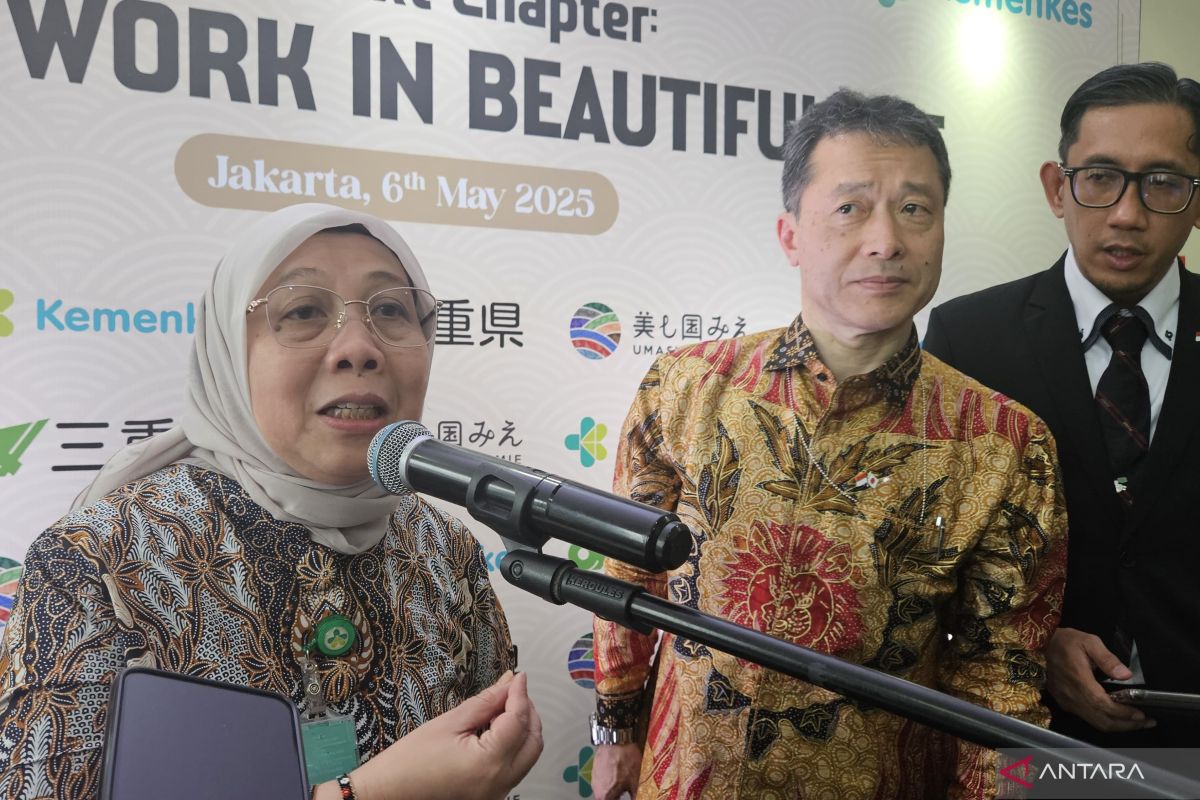
Director General of Human Resources for Health at Kemenkes, Yuli Farianti, in Jakarta on Monday, said that the three cases were not due to excessive workload. This was stated in response to circulating news on various social media platforms about intern doctors dying from overwork.
“First, no indications of excessive workload due to shift schedules were found. The total working hours for each of these three were less than 40 hours per week,” she said.
In the first case, Yuli said, the participant interned for six months at Pagelaran Hospital and six months at Sukanagara Health Centre in Cianjur, West Java. On 8 March 2026, the participant handled a measles case, and on 18 March, the participant experienced symptoms of fever, flu, and cough.
The supervisor granted leave from 19-21 March, she said, but the participant continued working because they were diligent. Then, while on duty, the participant handled four suspected measles patients.
In the second case, Yuli said, from 20-22 February 2026, the participant experienced symptoms of pain, fever, and diarrhoea. According to the medical history, the participant was suspected of having anaemia. The participant had previously been given sick leave for 25 days.
“They were allowed sick leave by the supervisor, even for 25 days, from 2 to 27 October. Then on 23 February 2026, they entered the emergency department at Bina Bakti Husada Hospital,” she said.
The participant was referred on 24 March to Sutomo Hospital in Surabaya, before being declared dead on 25 March 2026. For the second case, she said, there is no definitive diagnosis yet, but the preliminary suspicion is due to anaemia.
In the third case, Yuli continued, on 9 March, the participant showed symptoms of fever, but the blood lab results were normal. From 10-12 March, the participant requested leave due to illness. The participant was offered hospitalisation but refused and chose to stay in their accommodation.
She mentioned that when about to be referred, the intern wanted to wait for their parents first. Because it was too late, the participant passed away, with the final diagnosis of Dengue Haemorrhagic Fever (DHF) with shock complications.
Yuli stated that these three cases serve as lessons for the Ministry of Health, teaching hospitals, and supervisors to improve policies, communicate actively with participants and their families to prevent self-treatment, and monitor participants more closely.
Intern doctors, she said, are at teaching hospitals for educational purposes, so their safety must be ensured to provide good services.
According to her, many intern participants have high idealism and good aspirations, but this must be balanced with attention to their health.