
Three Facts on Pakistan and Afghanistan's Open War
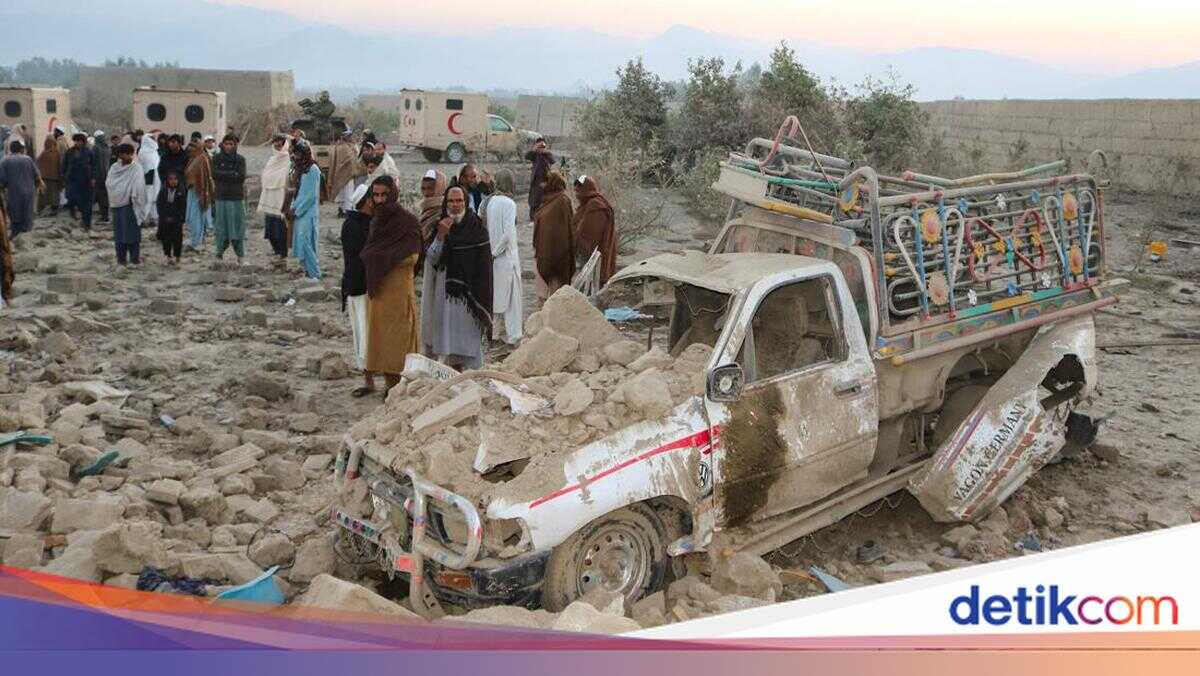
Relations between Pakistan and Afghanistan have deteriorated sharply into open conflict. The two neighbouring nations are engaged in direct military confrontations.
The war between Pakistan and Afghanistan began on Friday, 27 February (local time). The fighting erupted following months of deteriorating relations between the two countries.
Most land border crossings have been closed since deadly clashes in October of the previous year, which killed a total of over 70 people on both sides.
Islamabad has accused Kabul of failing to take action against militant groups launching attacks in Pakistani territory. The Taliban government denies responsibility for these attacks.
Several rounds of negotiations have been conducted following an initial ceasefire mediated by Qatar and Turkey. However, these efforts have failed to produce a lasting agreement.
Pakistan Bombs Afghan Capital
The Pakistani military has bombed major cities in Afghanistan, including the capital Kabul, on Friday, 27 February (local time). Pakistan’s Defence Minister Khawaja Asif stated that the two nations are now in “open war” following months of escalating clashes.
The bombardment of the Afghan capital was launched by Islamabad after the previous day, Thursday 26 February evening, Kabul’s military forces attacked border posts in Pakistani territory. The Taliban administration controlling Kabul described the border post attacks as retaliation for previous deadly air strikes.
Reports from AFP journalists and local residents in the Kabul and Kandahar areas, as reported by AFP and France24 on Friday, 27 February, described series of explosions and fighter jets flying low being heard clearly on Friday, 27 February (local time). Series of loud explosions followed by gunfire were reported to have been heard for over two hours.
Pakistan’s Information Minister Attaullah Tarar announced the strikes against Kabul and other Afghan regions in a statement via social media platform X.
“Taliban Afghanistan defence targets became targets in Kabul, Paktia Province, and Kandahar,” Tarar said in his statement.
Defence Minister Asif, in a separate statement, stated an “all-out confrontation” with the Taliban government in Afghanistan.
“Our patience has reached its limit. This is now open war between us and you,” Asif said firmly in his statement.
Meanwhile, Taliban government spokesman Zabihullah Mujahid confirmed Pakistani air strikes in Afghan territory. However, Mujahid said there were no casualties from the attacks.
One of the strikes reportedly hit the Kandahar area, in southern Afghanistan, which is the location of the Taliban’s supreme leader, Hibatullah Akhundzada.
133 Taliban Fighters Killed
Pakistan continued launching air strikes against several provinces in Afghanistan, including the capital Kabul, on Friday, 27 February morning. The Taliban administration in power in Afghanistan announced that counter-strikes had been launched against Pakistan’s military centres, following the latest bombardment.
Pakistani authorities claimed their military forces killed 133 Taliban fighters in Afghanistan in their strikes. Whilst Taliban authorities announced their counter-strikes had killed 55 Pakistani soldiers.
The latest fighting between the two neighbouring nations, as reported by CNN on Friday, 27 February, occurred following a fragile ceasefire in effect since October of the previous year, mediated by Qatar and Turkey, following the deadliest wave of cross-border violence in recent years.
“The cowardly Pakistani military has launched air strikes in several areas of Kabul, Kandahar, and Paktia,” Taliban spokesman Zabihullah Mujahid said in his latest statement.
Mujahid also said that retaliation for the strikes had begun. “Large-scale retaliatory operations have resumed against Pakistan’s military centres from Kandahar and Helmand,” he said.
Pakistan, in its statement, said its military forces responded to strikes first launched by Taliban forces in Afghanistan on Thursday, 26 February evening (local time).
“The Taliban regime forces are receiving punishment in the Chitral, Khyber, Mohmad, Kurram and Bajaur sectors,” Pakistan’s Information Ministry said in its statement, whilst describing the previous Afghan strikes as “unprovoked” attacks.
“Pakistan will take all necessary measures to ensure territorial integrity as well as the safety and security of its citizens,” the statement said firmly.
Both sides have reported vastly different casualty figures. Pakistan claims its strikes have killed 133 Taliban fighters in Afghanistan and wounded over 200 others.
Pakistan’s Prime Minister’s office spokesman Mosharraf Zaidi also claimed, as reported by Al Jazeera, that 27 Taliban posts were destroyed and nine others were captured. Zaidi also stated that over 80 “tanks, artillery, and armoured personnel carriers have been destroyed”.
Mujahid, in his statement, said there were no casualties from the latest Pakistani strikes on Friday, 27 February (local time). However, Afghanistan’s Defence Ministry in its statement said eight of its soldiers were killed and 11 others wounded.
Afghanistan’s Defence Ministry stated that approximately 13 civilians, including women and children, were also wounded when Pakistani strikes hit a refugee camp in Nangarhar.
After Mujahid said counter-strikes were launched against Pakistan, Taliban government deputy spokesman Hamdullah Fitrat claimed that Afghan forces had killed 55 Pakistani soldiers. Fitrat also claimed some Pakistani soldiers were captured alive and 19 Pakistani military posts were taken.
Pakistan’s Information Minister Attaullah Tarar cited a lower figure, saying two Pakistani soldiers were killed and three others wounded.