
Three Cooperative Administrators Arrested by the Directorate General of Taxes for Tax Evasion of IDR 684 Million
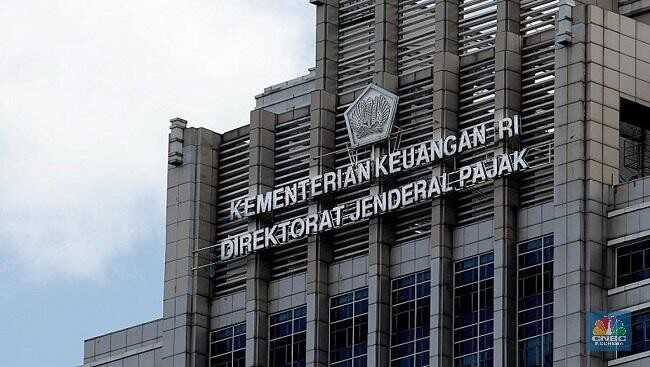
Jakarta, CNBC Indonesia - The East Java I Regional Office of the Directorate General of Taxes (DGT) has handed over three suspects in a tax evasion case to the East Java High Prosecutor’s Office, along with the evidence. The three suspects, with the initials AS, S, and DCF, are administrators of the JMB IV Cooperative.
“The handover of the suspects and evidence today is clear proof that the state does not remain silent in the face of violations that harm state revenue,” said the Head of the East Java I Regional Office of the DGT, Max Darmawan, as quoted from a press release from the Directorate General of Taxes, Thursday (February 26, 2026).
The Directorate General of Taxes stated that the suspects AS, S, and DCF are suspected of having committed serious violations of tax provisions during the period of 2018 to 2020.
The modus operandi of the tax crime committed by the three suspects is that they did not remit the VAT that had been collected from sales that had been made. They also did not report part of the sales of goods and/or services for which VAT had been collected on the VAT monthly tax return.
In addition, all three listed a value in the “VAT paid in advance in the same tax period” section on the VAT monthly tax return, but no Tax Payment Slip or other administrative means equivalent to a Tax Payment Slip was found as proof of tax payment.
Based on the results of the preliminary evidence examination and investigation carried out by the Civil Servant Investigator (PPNS) of the East Java I Regional Office of the DGT, the act caused a loss to state revenue of IDR 684 million.
He emphasized that the practice of VAT fraud is a serious crime that cannot be tolerated. This law enforcement is also a warning to business actors not to try to avoid tax obligations by illegal means.
“The Directorate General of Taxes will continue to strengthen synergy with law enforcement officials to ensure that every tax violation is dealt with in accordance with legal procedures, while also encouraging voluntary compliance and protection of state revenue,” said Max.