
Threat of Global Energy Crisis: A Stark Warning for Indonesia's Energy Resilience
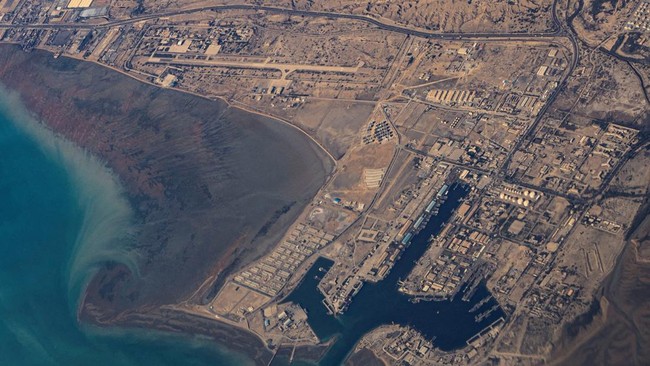
Geopolitical tensions in the Middle East are once again testing global energy stability. The threat of disruption to oil distribution in the Strait of Hormuz is not merely a geopolitical issue but has the potential to become a global energy shock that directly impacts the economic stability of various countries, including Indonesia.
The Strait of Hormuz is one of the world’s most strategic energy routes. Approximately 20 million barrels of oil per day—or nearly 20% of global oil trade—pass through this route. Any disruption to this route would immediately trigger a surge in global energy prices.
In simulations by several international energy institutions, if supplies from the Gulf region decrease significantly, oil prices could potentially soar to US$150 per barrel. If this scenario occurs, the impact would not only be felt by energy-importing countries but would also shake global fiscal stability, inflation, and industrial competitiveness.
The World Moves Quickly to Face the Energy Crisis
Various countries have already begun taking anticipatory measures.
The Philippines has even implemented a four-day work policy for some government apparatus to reduce energy consumption and national operational costs. Thailand has applied a work-from-home (WFH) policy for civil servants as well as energy usage restrictions in government offices, including regulations on the use of air conditioning, lifts, and building lights. Vietnam is also encouraging travel restrictions and calls for fuel savings to maintain domestic energy supply stability.
Advanced countries are taking more strategic steps. Japan is preparing its national oil reserves for possible release of stocks to the domestic market. South Korea is even considering fuel price caps to mitigate the impact of global energy price surges.
Meanwhile, G7 countries through the International Energy Agency (IEA) are beginning to discuss the possibility of releasing emergency oil reserves to stabilise the world energy market.
These measures demonstrate one important fact: major countries are not waiting for the crisis to occur but are preparing in advance.
Major Risks for Indonesia
For Indonesia, the risk of a global energy crisis is far more serious because the national energy structure is still heavily dependent on imports. Currently, Indonesia’s oil consumption is around 1.6 million barrels per day, while national oil production is only about 580,000 to 600,000 barrels per day. This means more than 60% of the national oil needs are still met through imports.
This import dependence makes Indonesia highly vulnerable to global energy price fluctuations. If world oil prices rise from the state budget assumption of US$82 per barrel to US$120 per barrel, Indonesia’s fiscal burden could increase significantly through:
• Increases in energy subsidies
• Increases in fuel compensation
• Pressure on the state budget deficit
• Pressure on the rupiah exchange rate
From previous energy crisis experiences, every US$10 increase per barrel in world oil prices can add a fiscal burden of Rp15 trillion to Rp20 trillion in the form of energy subsidies and compensation.
If oil prices surge to US$120 per barrel to US$150 per barrel, the pressure on the state budget could reach tens to hundreds of trillions of rupiah. This does not yet include impacts on inflation, logistics costs, and food prices.
Direct Impact on the Business World
Rising energy prices almost always lead to increases in industrial production costs. Energy is a major cost component in sectors such as:
• Manufacturing
• Transportation and logistics
• Food and beverage industry
• Agricultural sector
• Fisheries sector
A real example is seen in India, where an energy crisis forced the government to cut industrial gas supplies by around 50% to prioritise household needs. This policy directly disrupted industrial production and triggered rises in business operational costs. In a global environment already full of uncertainties due to geopolitical conflicts, rising energy costs could potentially trigger a new wave of pressure on the business world.
Indonesian Government Steps
The Indonesian government has taken several short-term mitigation measures. Among them are urging the public not to engage in panic buying, accelerating the provision of crude oil, fuel, and LPG stocks, and encouraging state-owned energy companies like Pertamina to strengthen strategies for securing national energy supplies.
The government is also promoting the utilisation of domestic crude oil for domestic needs and managing the energy demand side, including normalising subsidised LPG consumption so that its distribution is more targeted. However, short-term measures alone are not enough.
Momentum to Build Energy Resilience
The Hormuz crisis must serve as a stark warning for Indonesia to accelerate the national energy resilience agenda. There are several strategic steps that need to be prioritised.
First, accelerating the increase in national upstream oil and gas production through expedited exploration and development of new fields. Second, building a national strategic petroleum reserve like those owned by advanced countries.
Third, strengthening energy diversification through natural gas, biofuel, and new renewable energy. Fourth, enhancing collaboration between the government and the private sector in building a more resilient energy ecosystem.
Energy and Indonesia’s Economic Future
Amid increasingly uncertain global geopolitical dynamics, energy is no longer just an economic commodity. Energy is the foundation of economic stability, industrial competitiveness, and national sovereignty.
The Hormuz crisis reminds us that energy resilience is not just an energy sector issue. It is a strategic issue that determines Indonesia’s economic future.
If Indonesia can utilise this momentum to accelerate energy sector reforms, this crisis could become a turning point towards national energy independence.
Because ultimately, a strong nation is not