
THR No Longer Boosting Consumption? Food Inflation and Fuel Become Obstacles
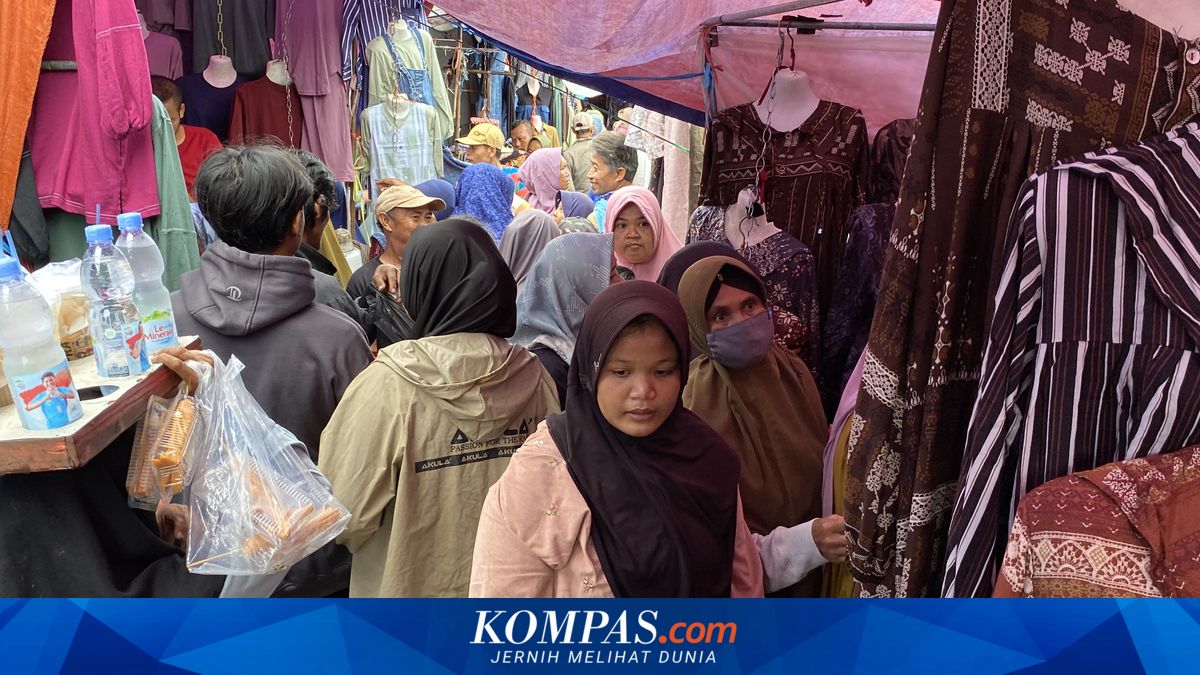
JAKARTA — The momentum of Ramadan and Eid al-Fitr has long been synonymous with a surge in public consumption. The distribution of Holiday Allowances (THR), increased mobility for homecoming trips, and more intensive social activities usually serve as the main drivers of domestic economic circulation. However, global dynamics and domestic inflationary pressures could potentially make the impact of this consumption boost not as strong as expected. On one hand, seasonal income increases such as THR, bonuses, and zakat drive demand for food, clothing, transportation, tourism, and retail. On the other hand, recurring inflationary pressures every Ramadan could dampen these positive effects. According to him, spikes in inflation, particularly in volatile food components (fluctuating food prices) and administered prices (government-regulated prices), often make the role of THR less significant in enhancing public purchasing power. “Ramadan is viewed as both an opportunity and a challenge for Indonesia’s economy. There are global dynamics such as wars that affect economic stability,” said Abdul Manap during the INDEF public discussion titled ‘Eid Economy Amid War Turmoil’ on Monday (9/3/2026). Ahead of Ramadan and Eid al-Fitr, inflation typically rises in line with surging demand. This pressure in 2026 is evident in the increase in administered price components reaching 12.66 percent year-on-year (yoy). Additionally, the volatile food component also shows an upward trend. This increase reflects persistent food pressures ahead of Ramadan. According to Afaqa, although price volatility is relatively more moderate compared to the previous year, a surge in demand could strengthen price pressures if not balanced by adequate supply management. Besides seasonal factors, geopolitical tensions also amplify energy inflation risks. Escalation of conflicts in the Middle East that trigger global oil price spikes could increase transportation and distribution costs, ultimately driving up consumer goods prices domestically.